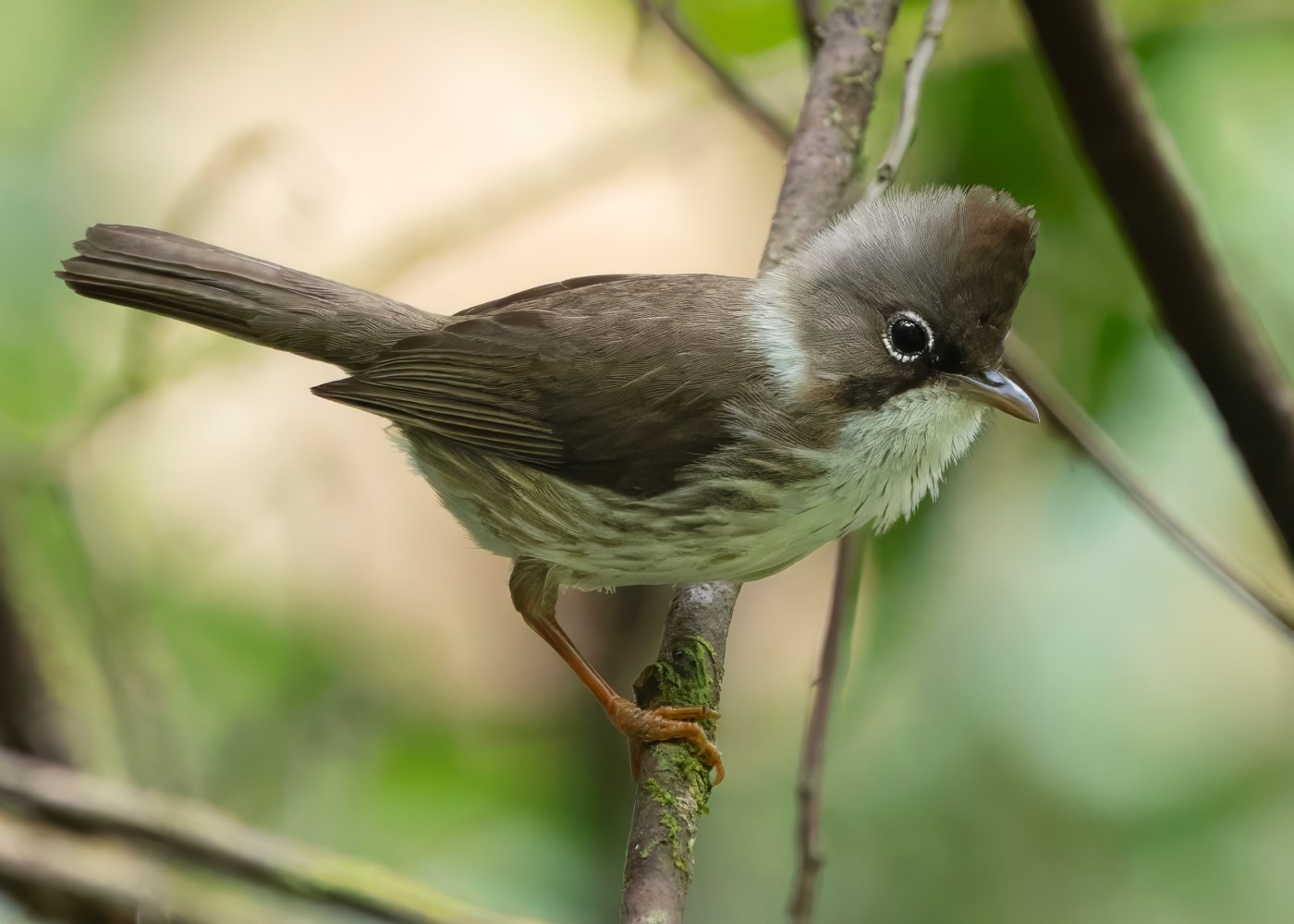
Out of 7 species of yuhinas in the genus Yuhina, the Burmese Yuhina (Yuhina humilis) is undoubtedly the most difficult one to see. This species has only 2 small and disjunct populations, the race Y. h. clarki in eastern Myanmar (primarily in Shan State), and the nominate in western Thailand and small adjacent area in southern Myanmar. There are only few places in Thailand where the species can be found regularly. Nearly all of them are difficult to access except for Mae Wong National Park in Kamphaeng Phet. However, the population at Mae Wong seems to have declined over the past decade or so without a clear reason. I first saw this species near Khun Nam Yen Campsite at Mae Wong NP in 2012 when a single bird was seen joining a flock of Blue-winged Minlas. Other birders have mostly seen the yuhinas at Chong Yen Campsite where they used to visit fruiting trees just around the campground up until at least 2013-2014, then the species became rarely seen ever since. Apart from the yuhinas, several other small insectivorous birds at Mae Wong like Blue-winged Minla and the undescribed taxon of “Black-throated Parrotbill” also seem to have declined despite the rather unchanged habitat. It’s still a mystery as to why these birds have become much harder to see in recent years. Because of that, the Burmese Yuhina has become one of the most difficult resident birds to find in Thailand.
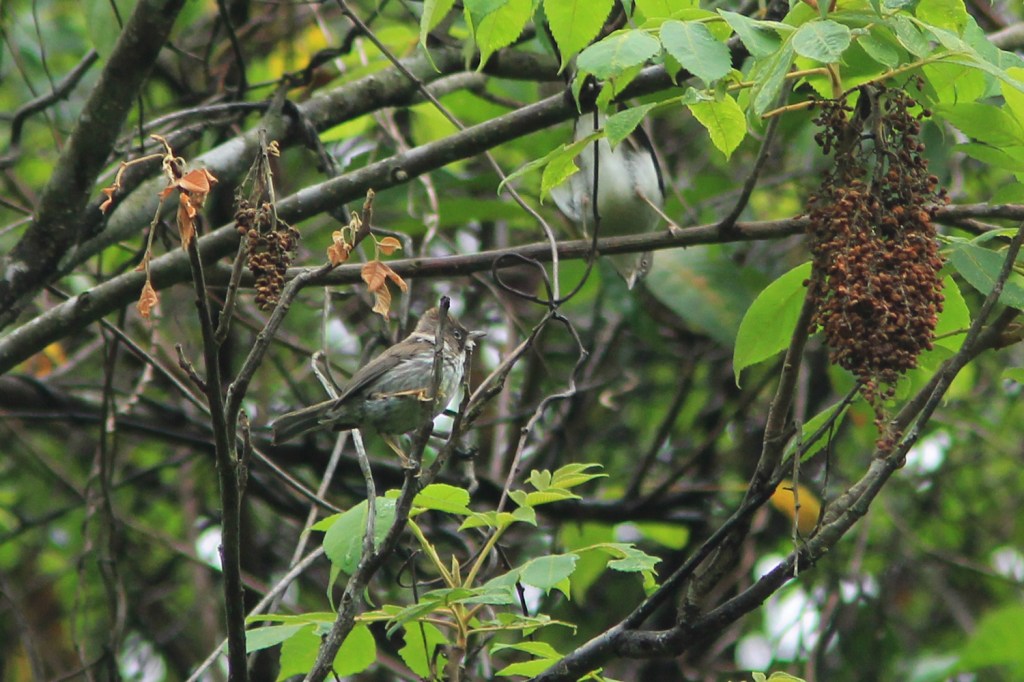
Apart from Mae Wong NP, the Burmese Yuhina is known from several other high mountains in Chiang Mai and Tak. The species was first found in Thailand by Philip D. Round at Doi Mon Chong, Om Koi Wildlife Sanctuary in Om Koi district, Chiang Mai in 1982. Then it was found to occur in montane evergreen forest in Umphang Wildlife Sanctuary in Tak, and Mae Wong National Park in Kamphaeng Phet. There might still be some undiscovered populations elsewhere in that region as the mountains are still largely inaccessible and unexplored.
In November 2025, my friends, Sarawut Nontati and Krissanasak Singkam, found a flock of Burmese Yuhinas at Doi Thong Loo, Om Koi, Chiang Mai, a new locality for this species in Thailand although not unexpected as the site is not far from Doi Mon Chong. I really wanted to get some photos of the yuhinas as there are so few good photos of this species, especially from the recent years.
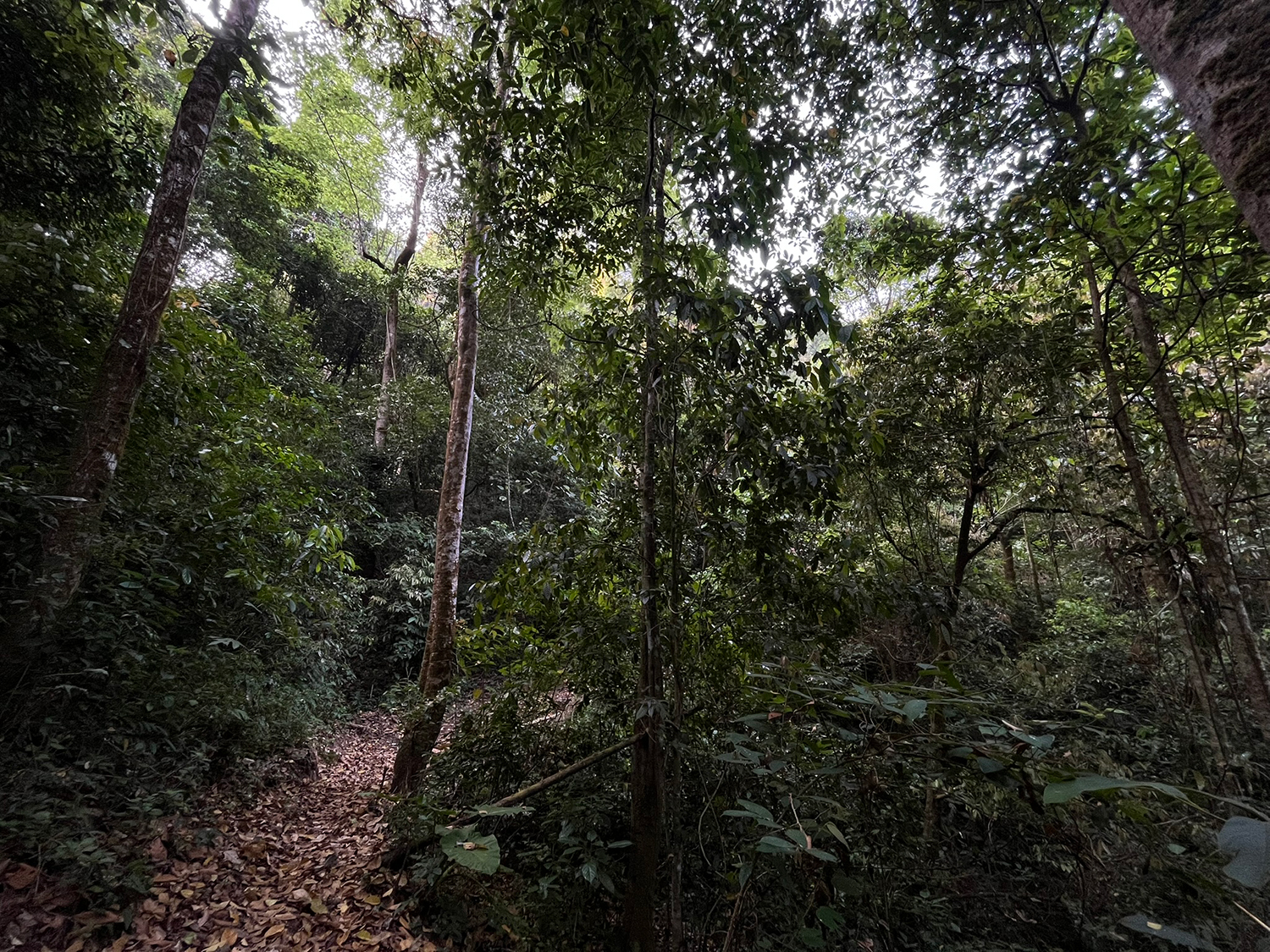
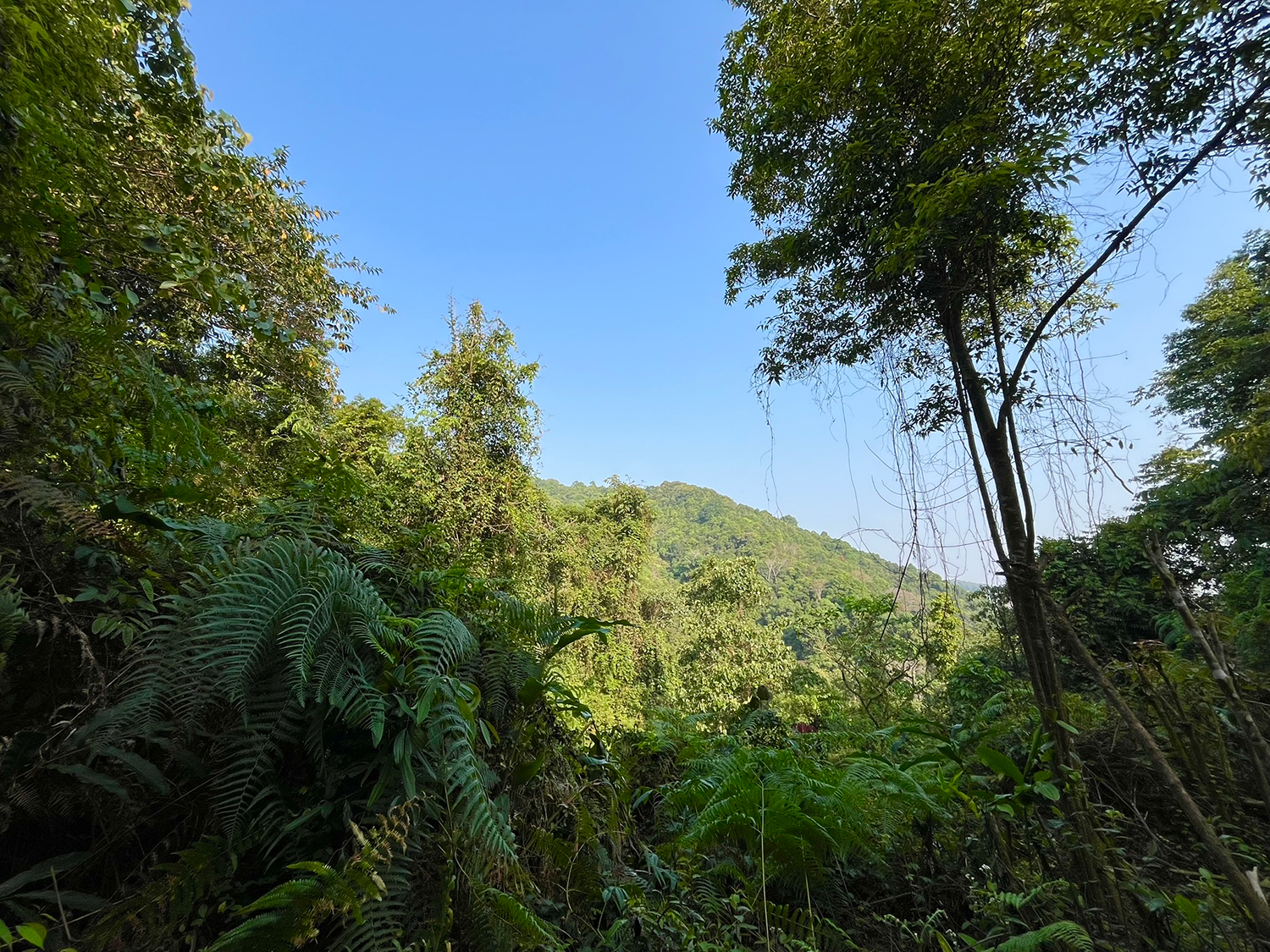
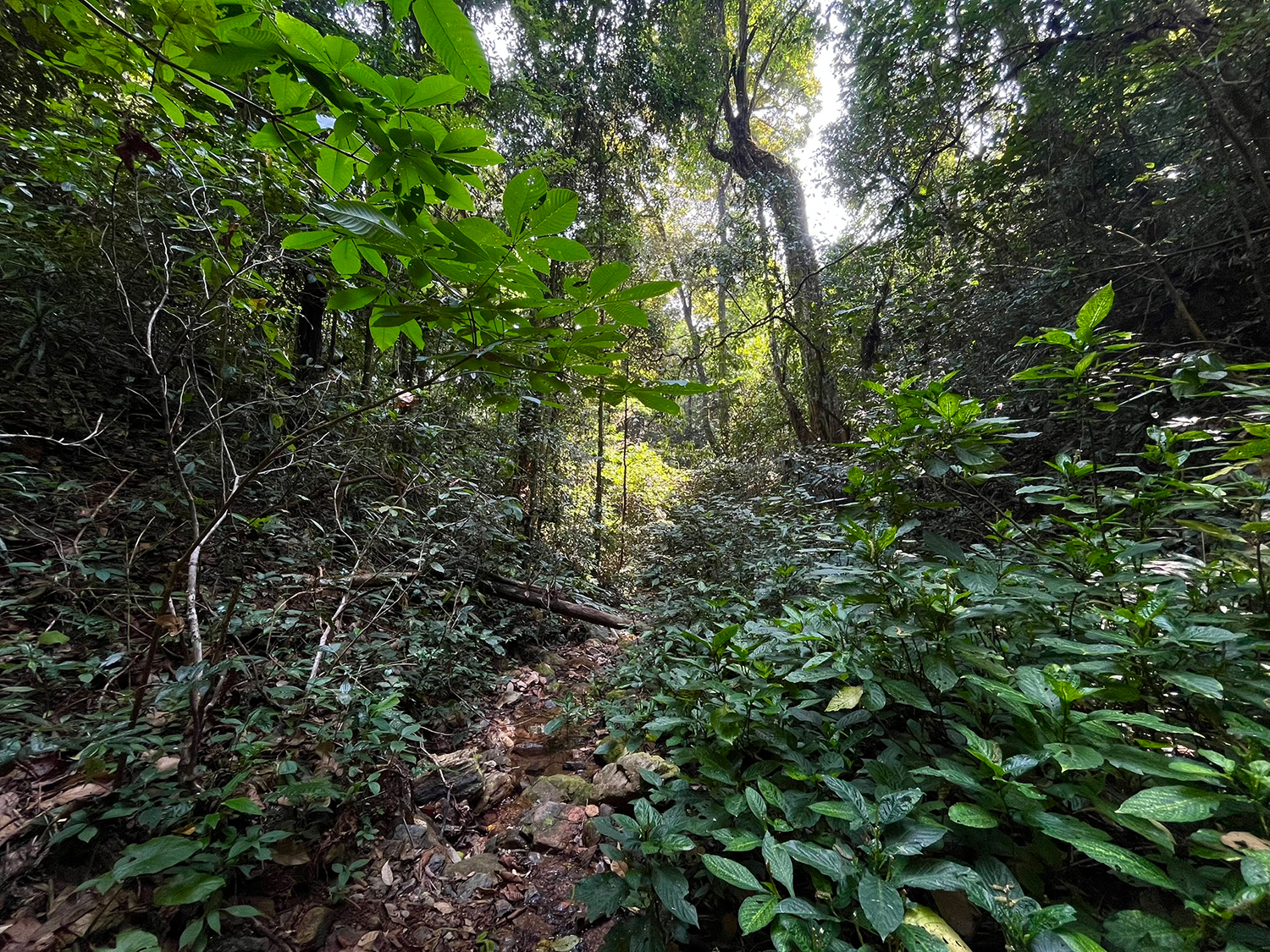
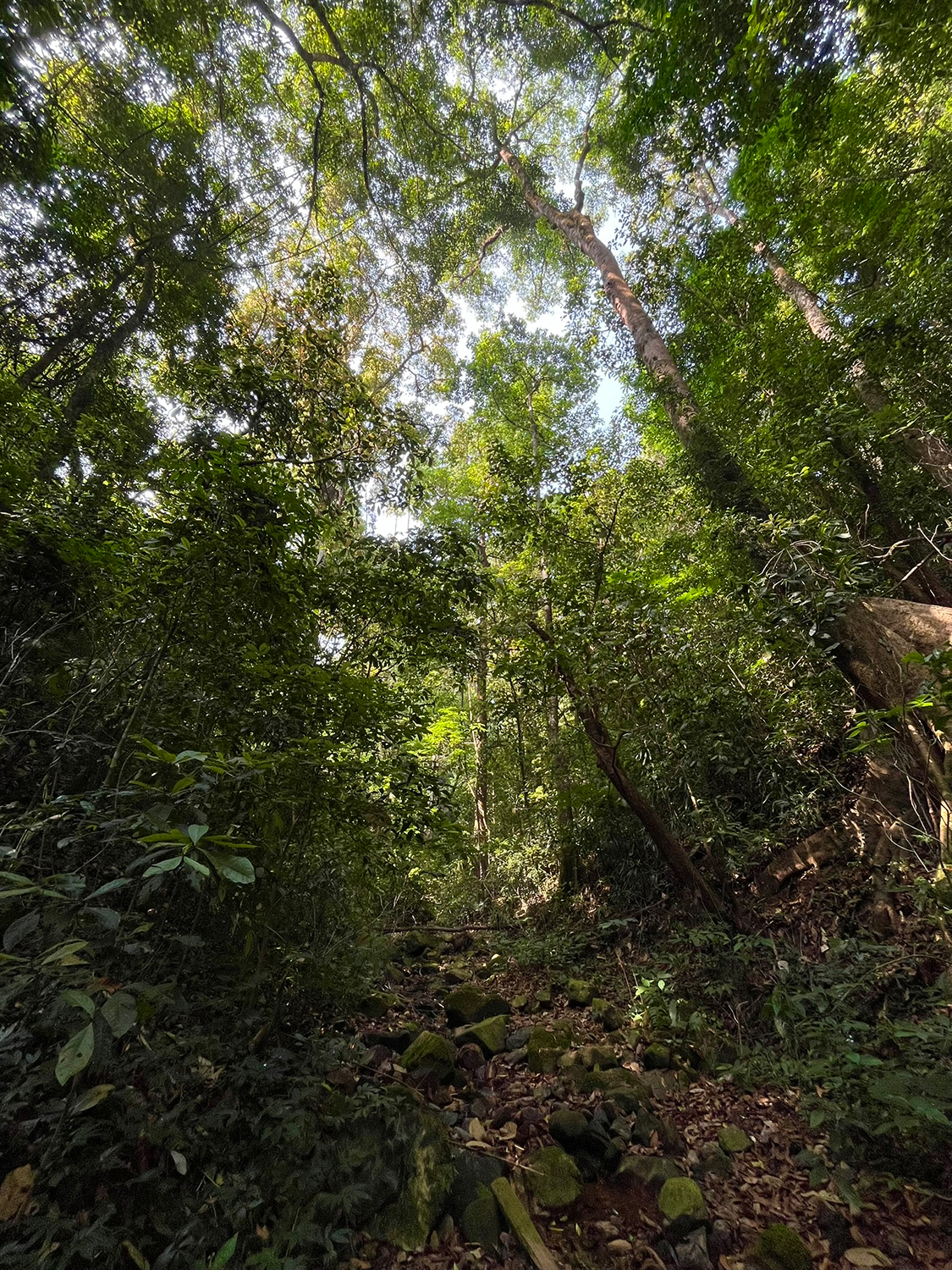
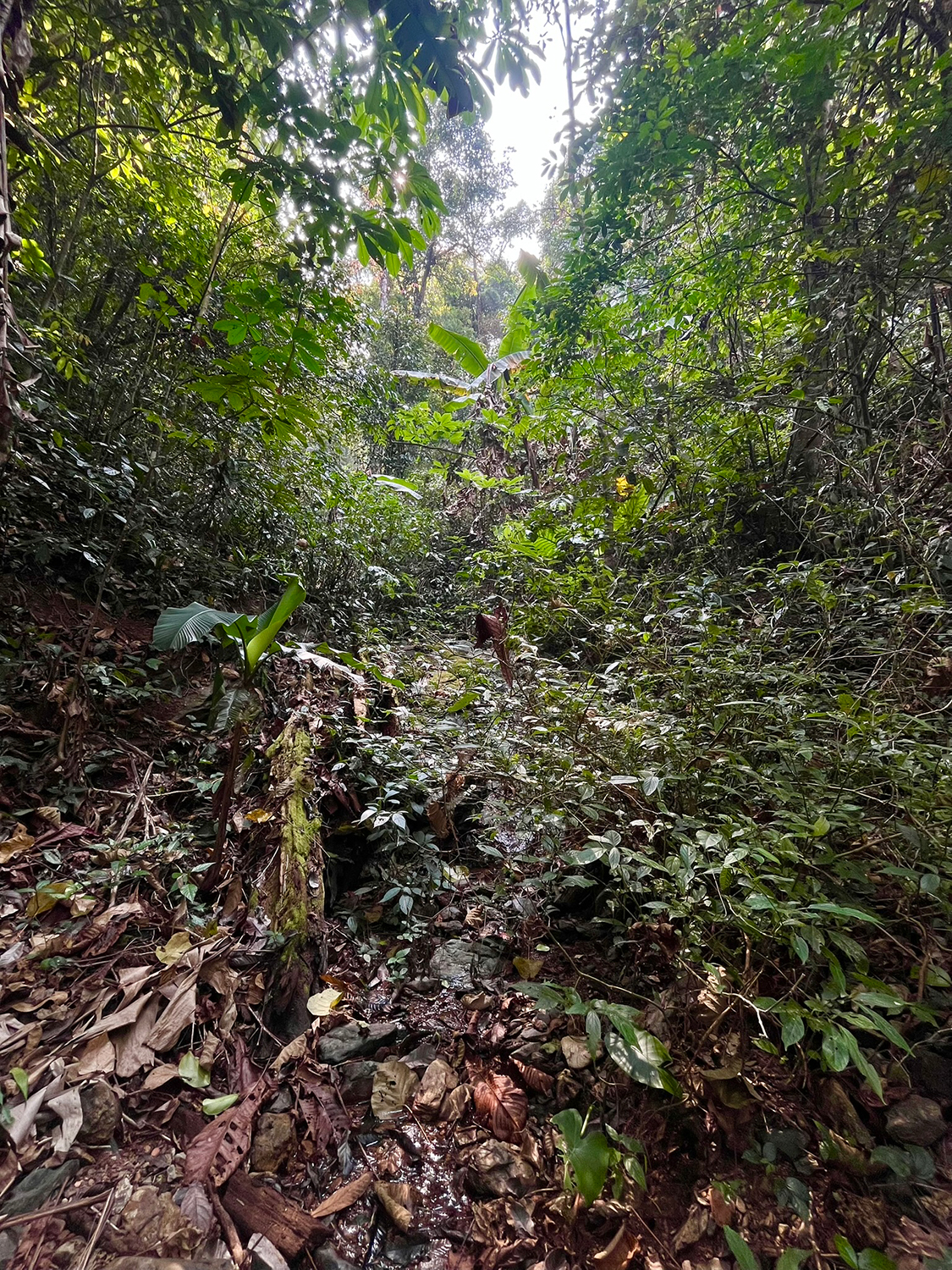
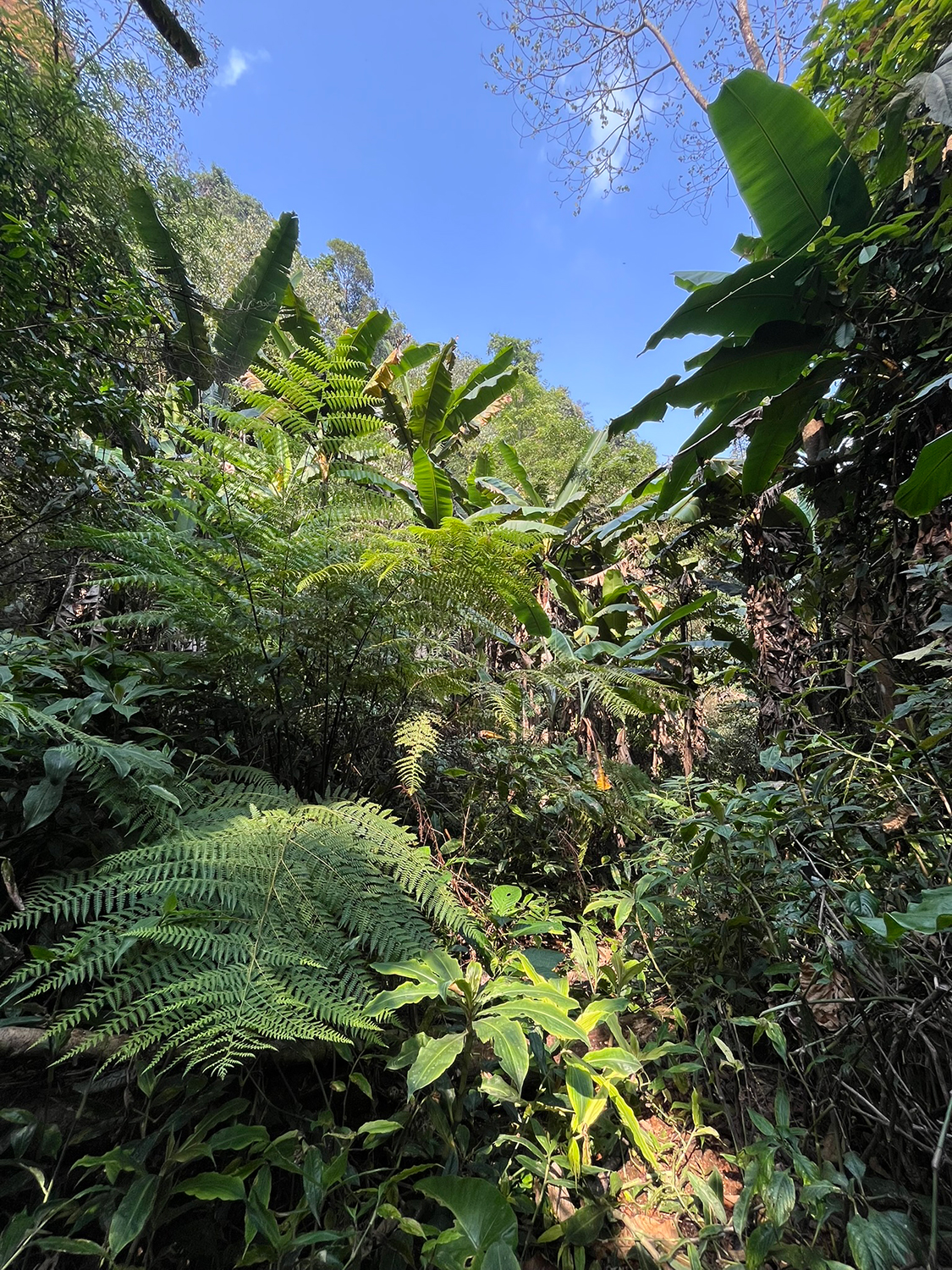
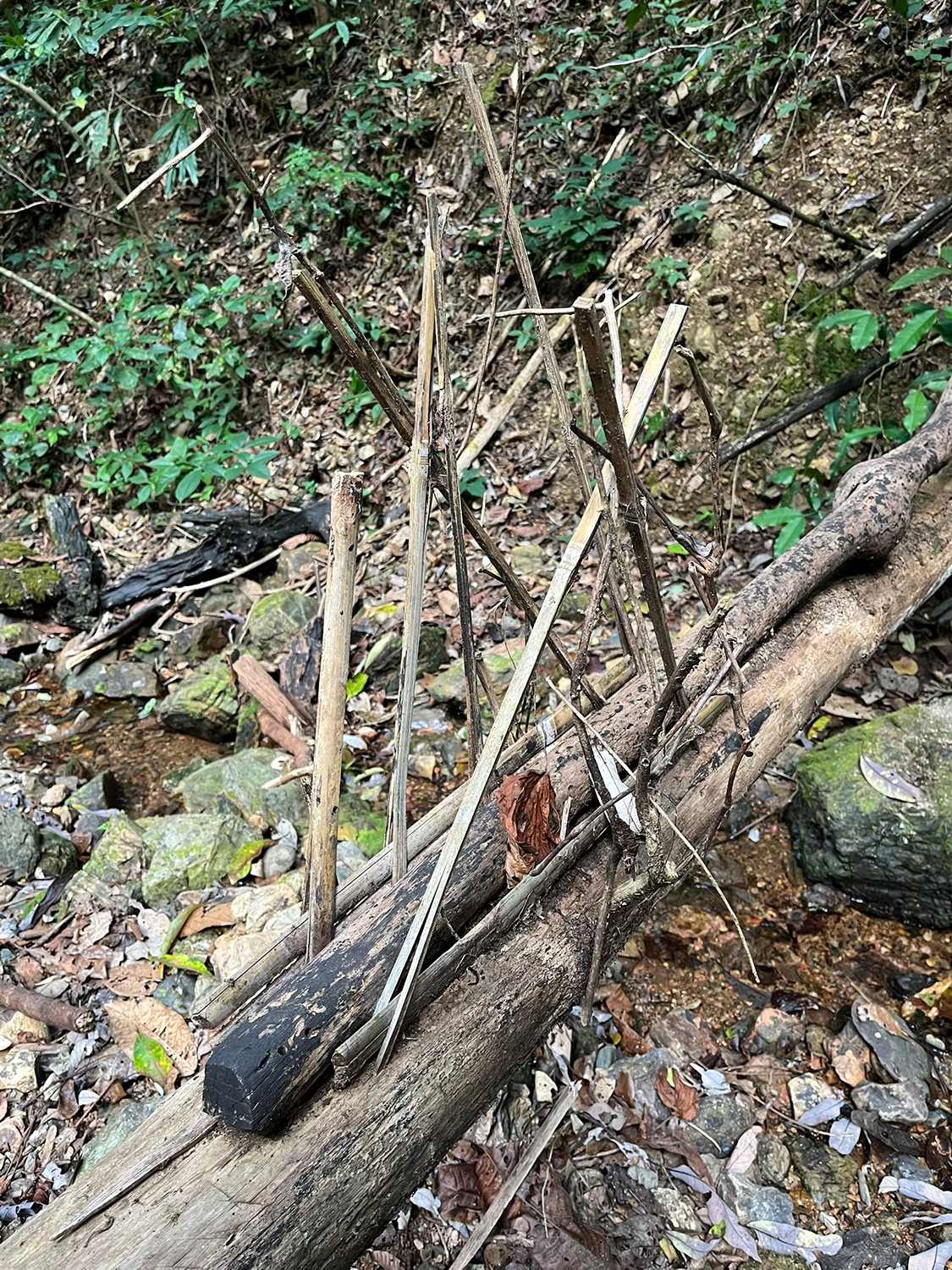
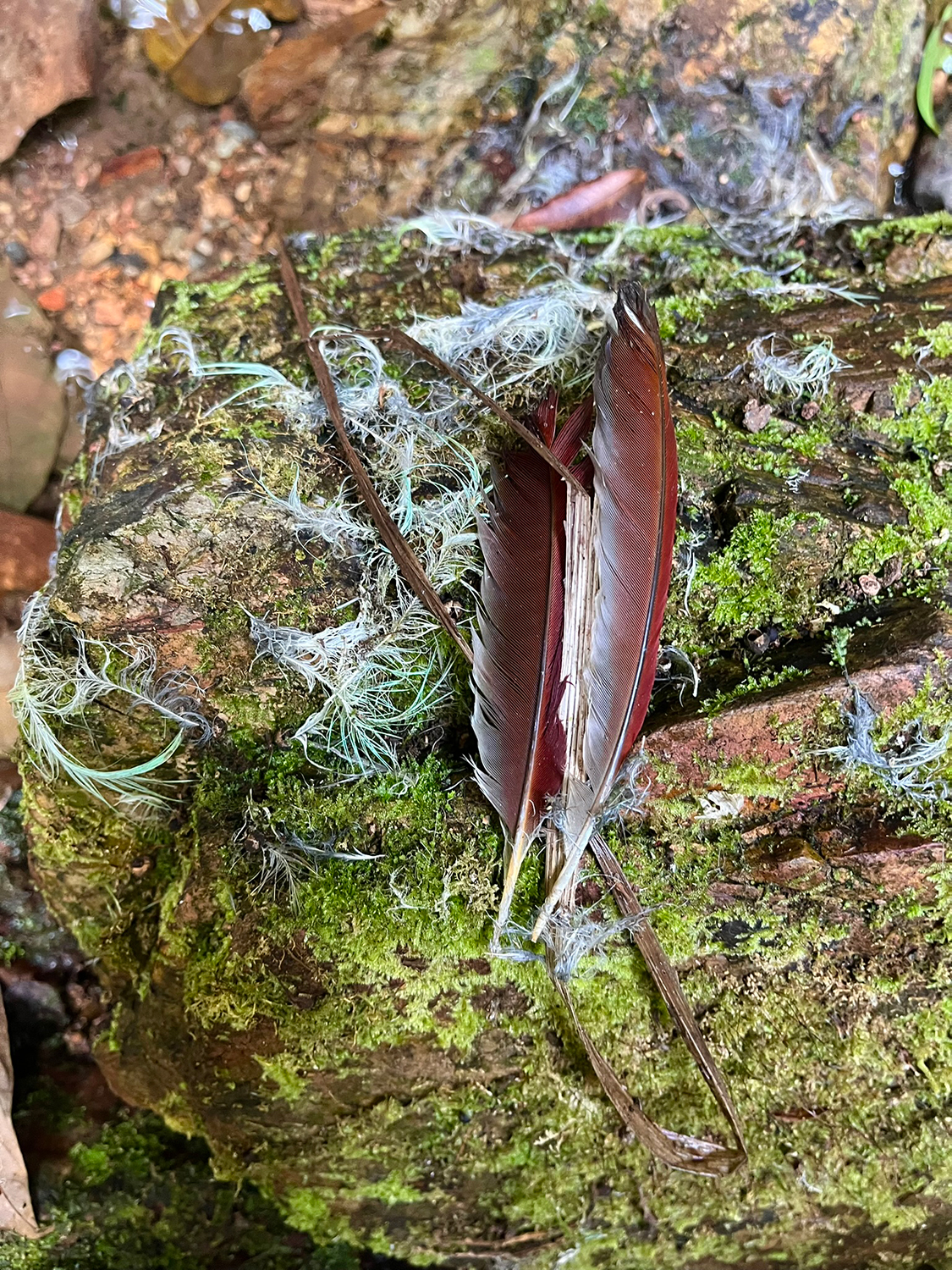
I finally made a visit to Doi Thong Loo between 4-6 March 2026 with Krissanasak Singkam, Atiwich Kaewchum, and Wera Rodsawaeng. The journey to Doi Thong Loo was a pretty rough one. It is located in Na Kien subdistrict, one of the most remote parts of Om Koi. Even though we were there in dry season, the roads were so tough that a 4×4 vehicle was still needed. I couldn’t imagine the condition of the roads in wet season. We arrived in the evening and camped at a tiny local school at Ban Tee Ner village, not far from the entrance road to Doi Thong Loo. We then went up to Doi Thong Loo on the following morning and visited the trail where Krissanasak first found the yuhinas. It was a trail that led through secondary forest down to the dried forest stream and the watershed. It was a very birdy morning, and I also recorded Thailand’s first Emei Leaf Warbler (Phylloscopus emeiensis), which I’ll save for a future post. Other notable species seen throughout the morning include White-throated Bulbul, which appeared to be pleasantly common, Eyebrowed Wren-Babbler, Pygmy Cupwing, Blue Pitta, Clicking Shrike-Babbler, “dialilaemus” Hainan Blue Flycatcher, and White-necked Laughingthrush. However, there was no sign of the yuhina at the spot where Krissanasak saw them the last time. We decided to go further in along the trail where I finally heard the first yuhina. After much effort, we could finally locate a pair of Burmese Yuhinas feeding high up in the canopy along with some other small birds. Unlike Krissanasak’s first visit in November when the yuhinas were moving in big noisy flocks, these birds seemed to have paired up and dispersed throughout the forest looking for suitable nesting sites. It appeared to be much harder to find the yuhinas in March when the birds occurred in low density.
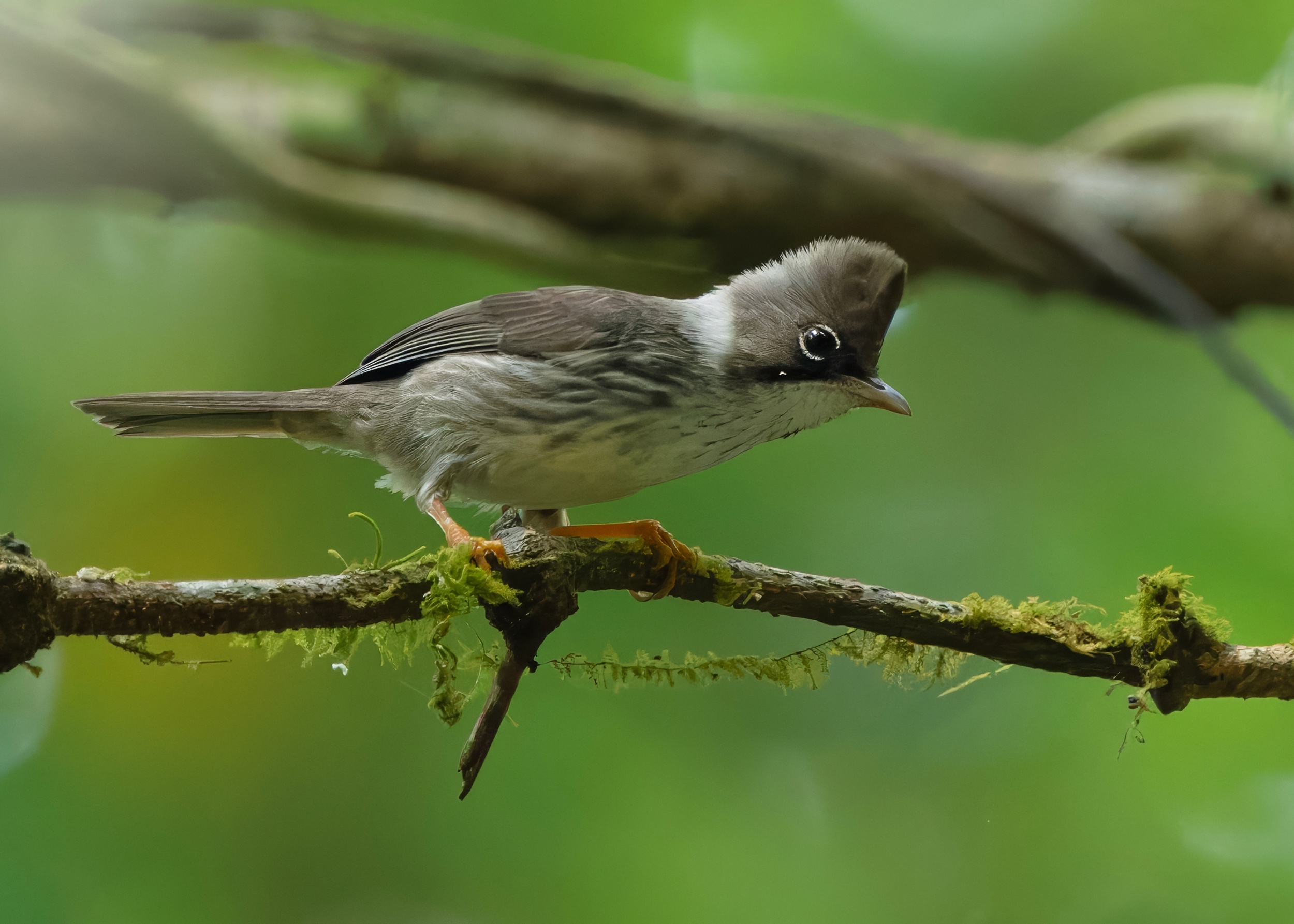
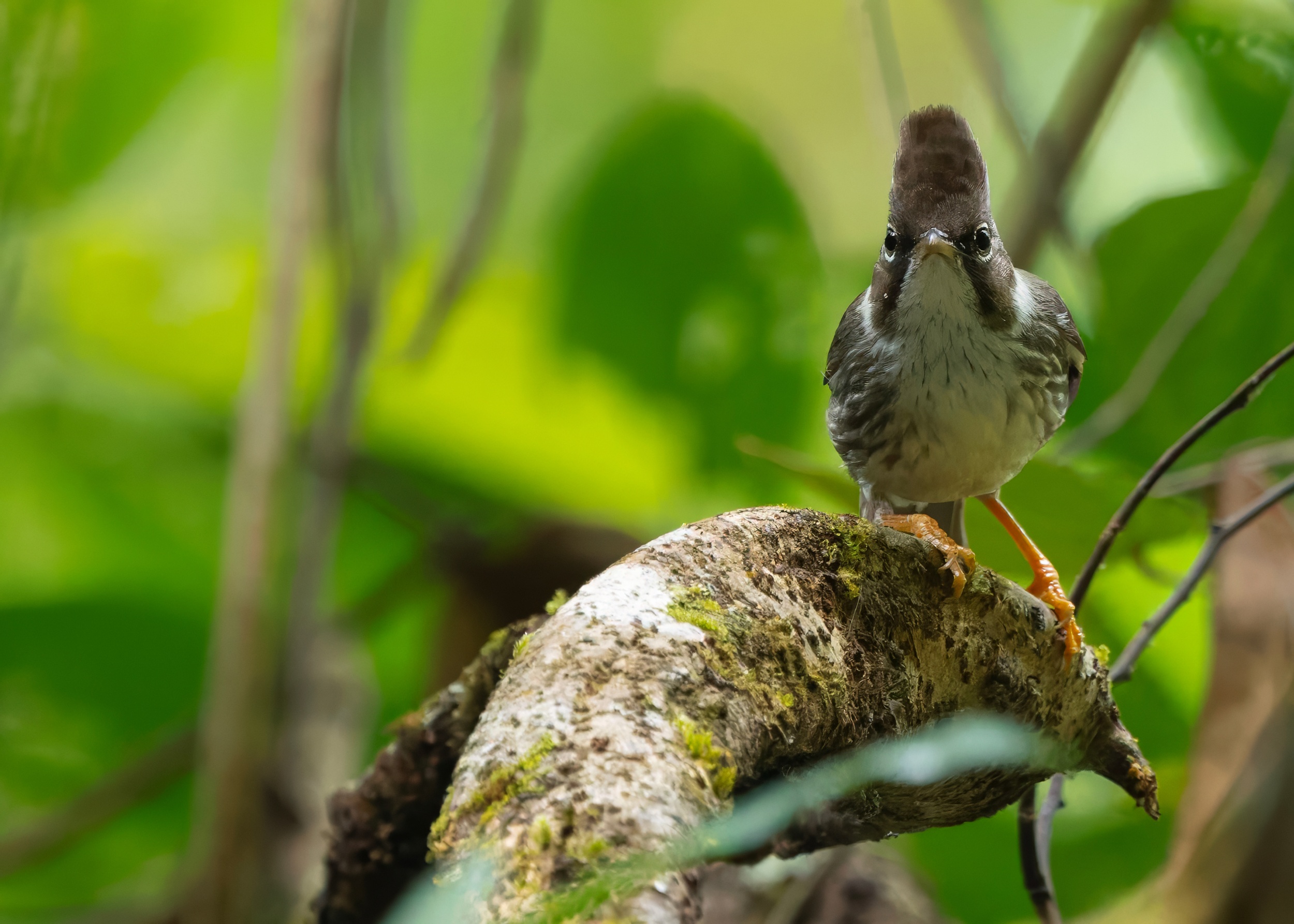
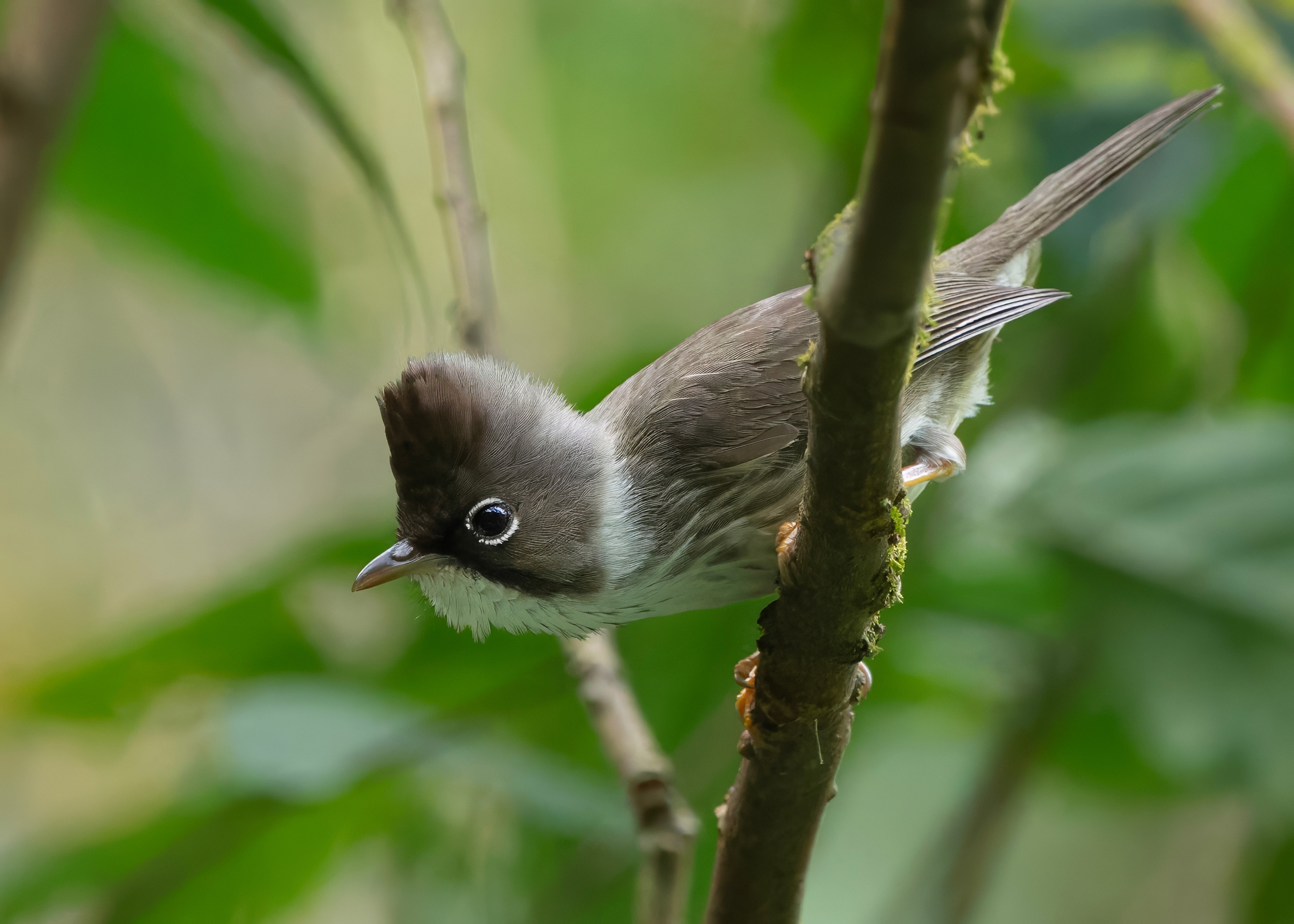
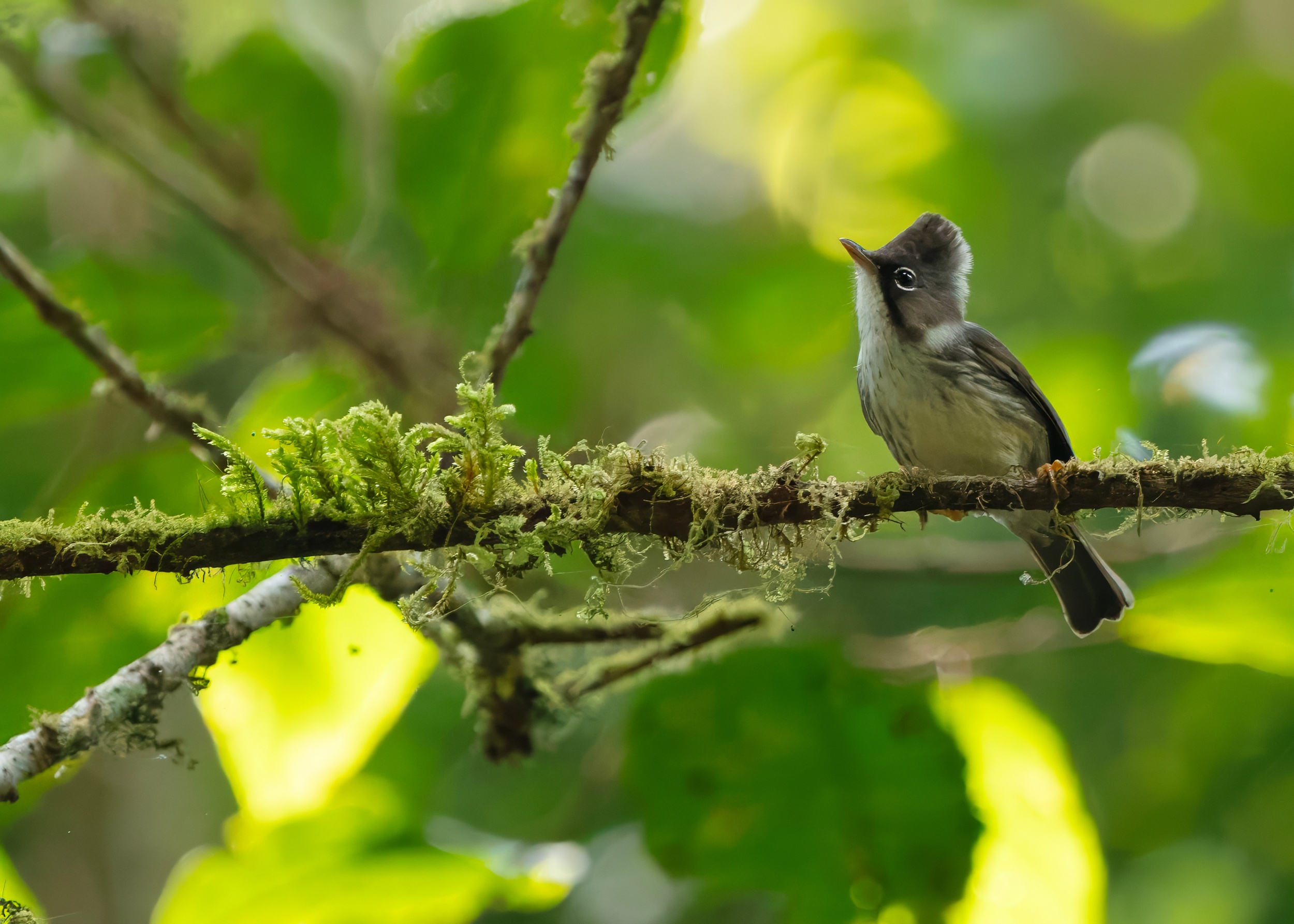
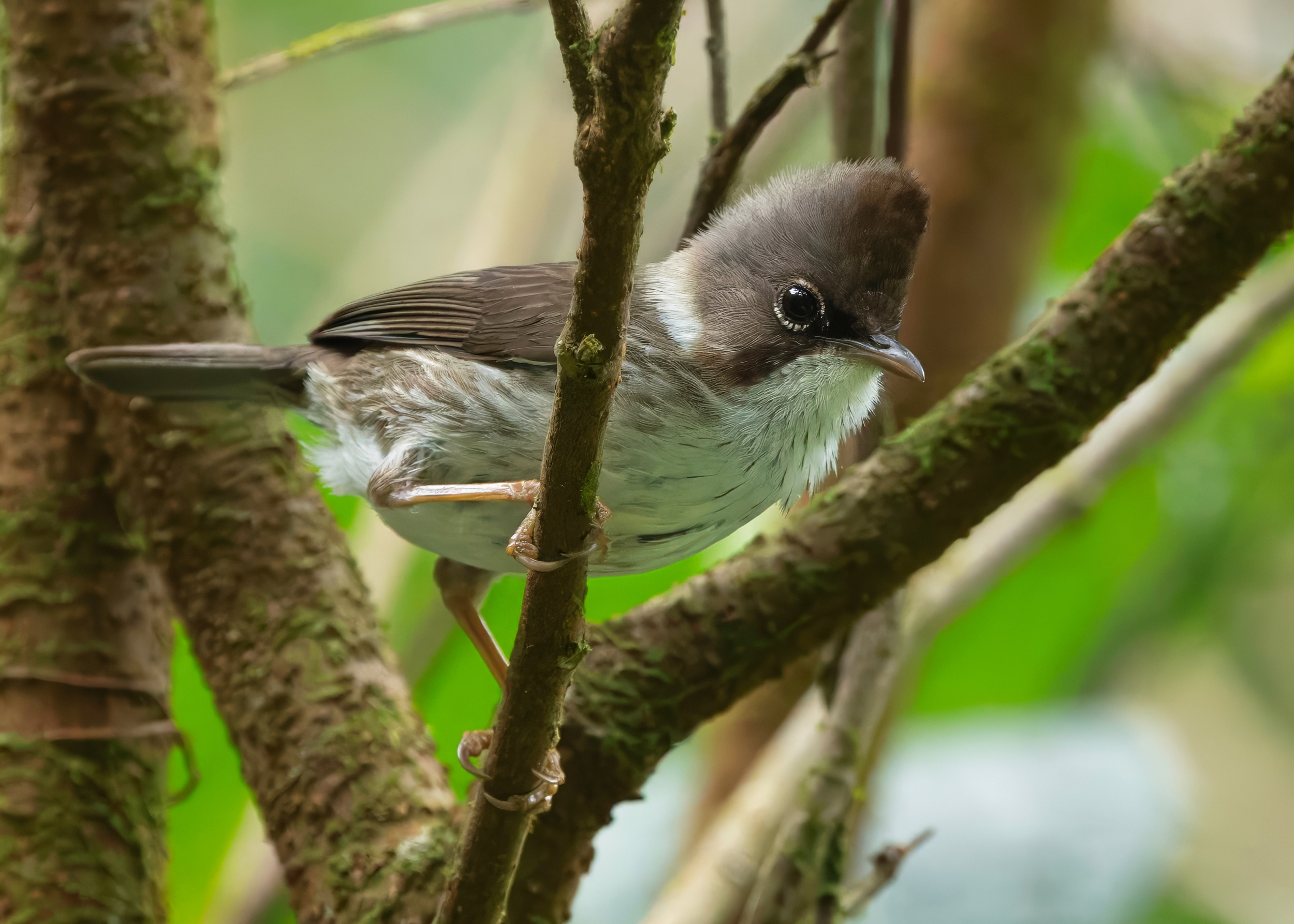
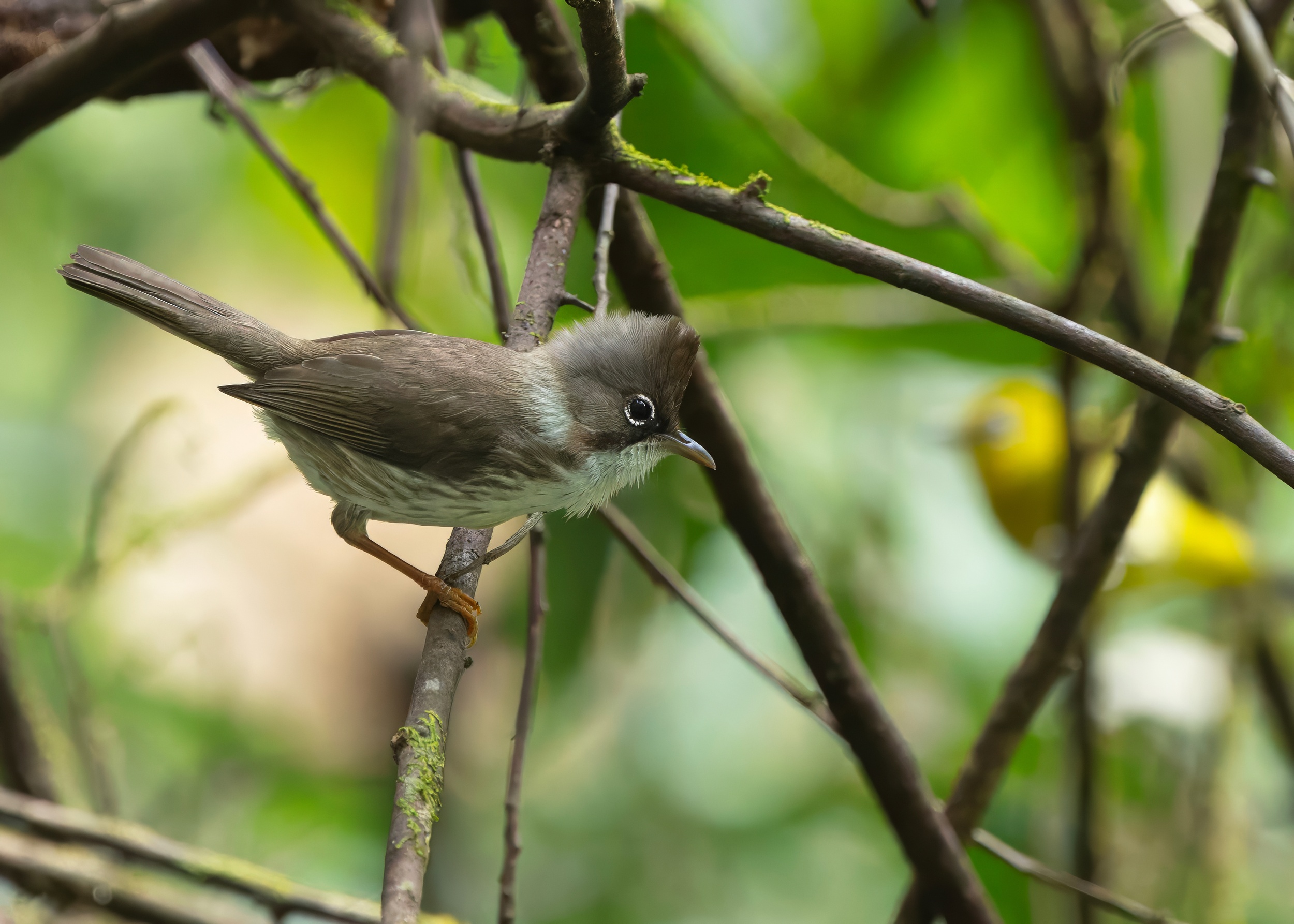
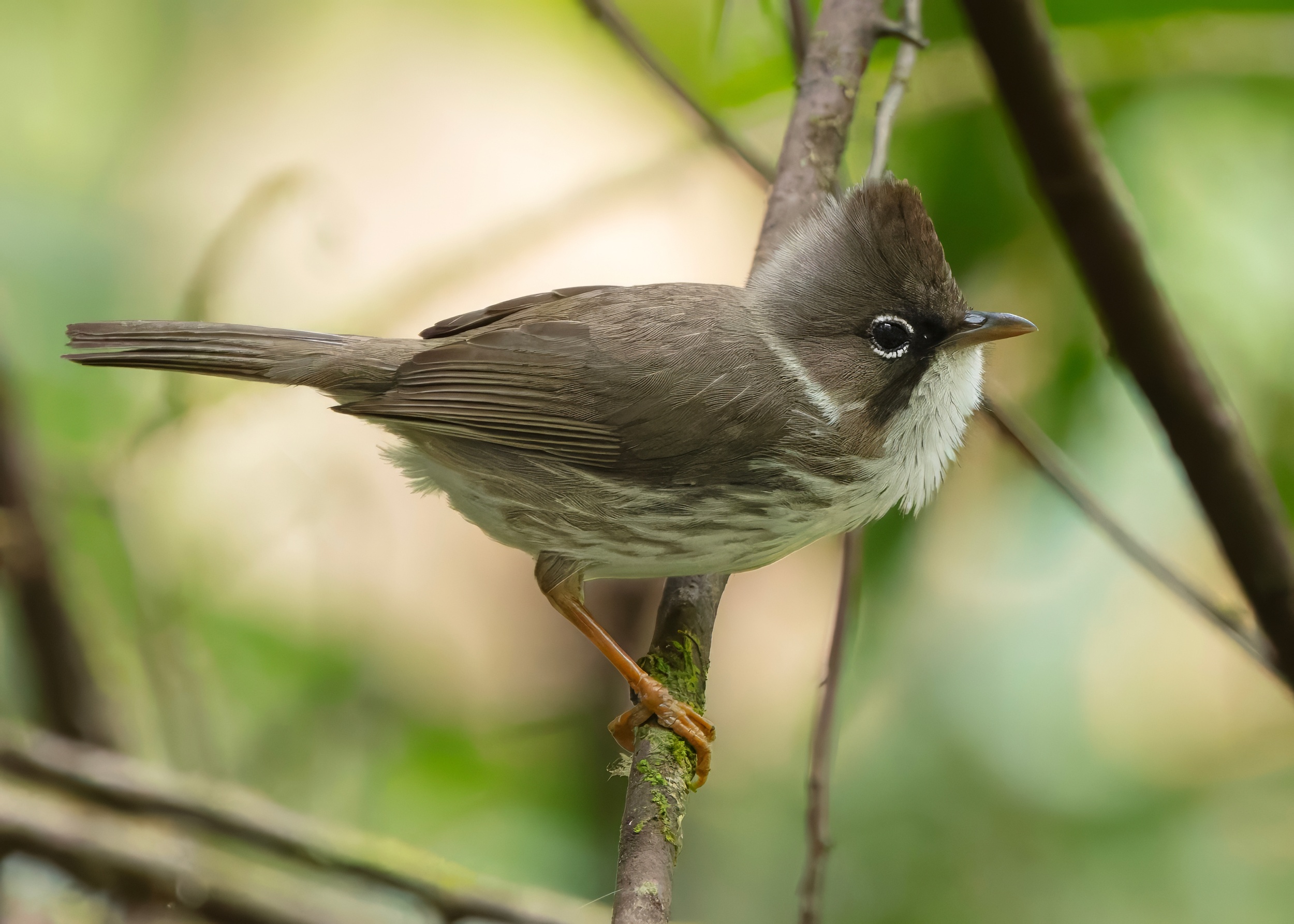
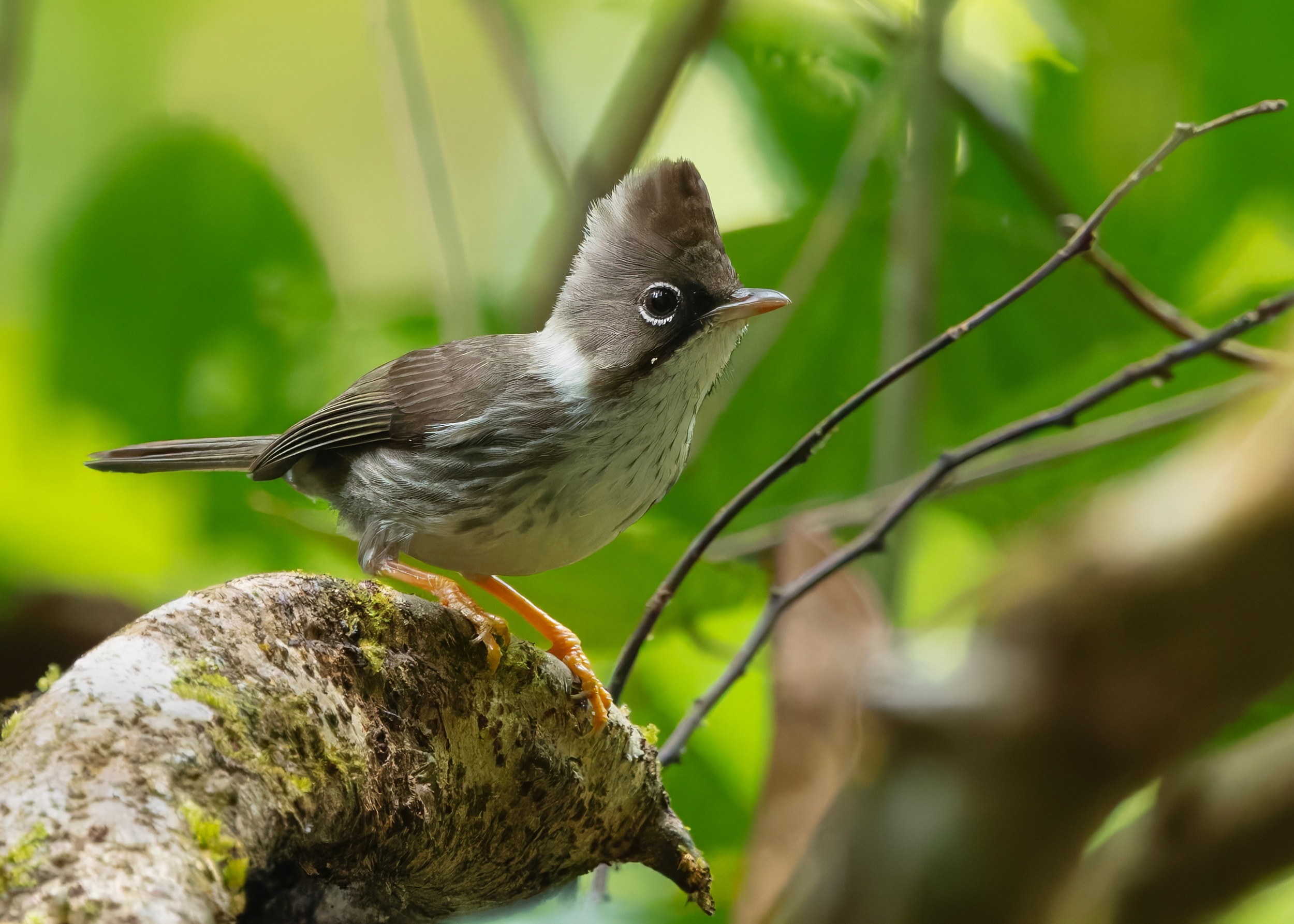
In the end, we managed to find at least 3 pairs of Burmese Yuhinas along the watershed trail including the last pair that came down low and allowed some extraordinary views at close range. We suspected that they were coming to a regular spot where they bathed as there were several wet Indian White-eyes nearby. Unfortunately, the bathing spot appeared to be completely concealed by dense vegetation so we couldn’t actually them bathing. Anyway, the trip ended up being highly successful as we all got decent photos of the yuhinas. I wish to return again someday as the site does seem to have potentials for some other rarities too.


Interesting read..
very interesting.
Indeed 2013 qas my last view of them.
by Peter Ericsson