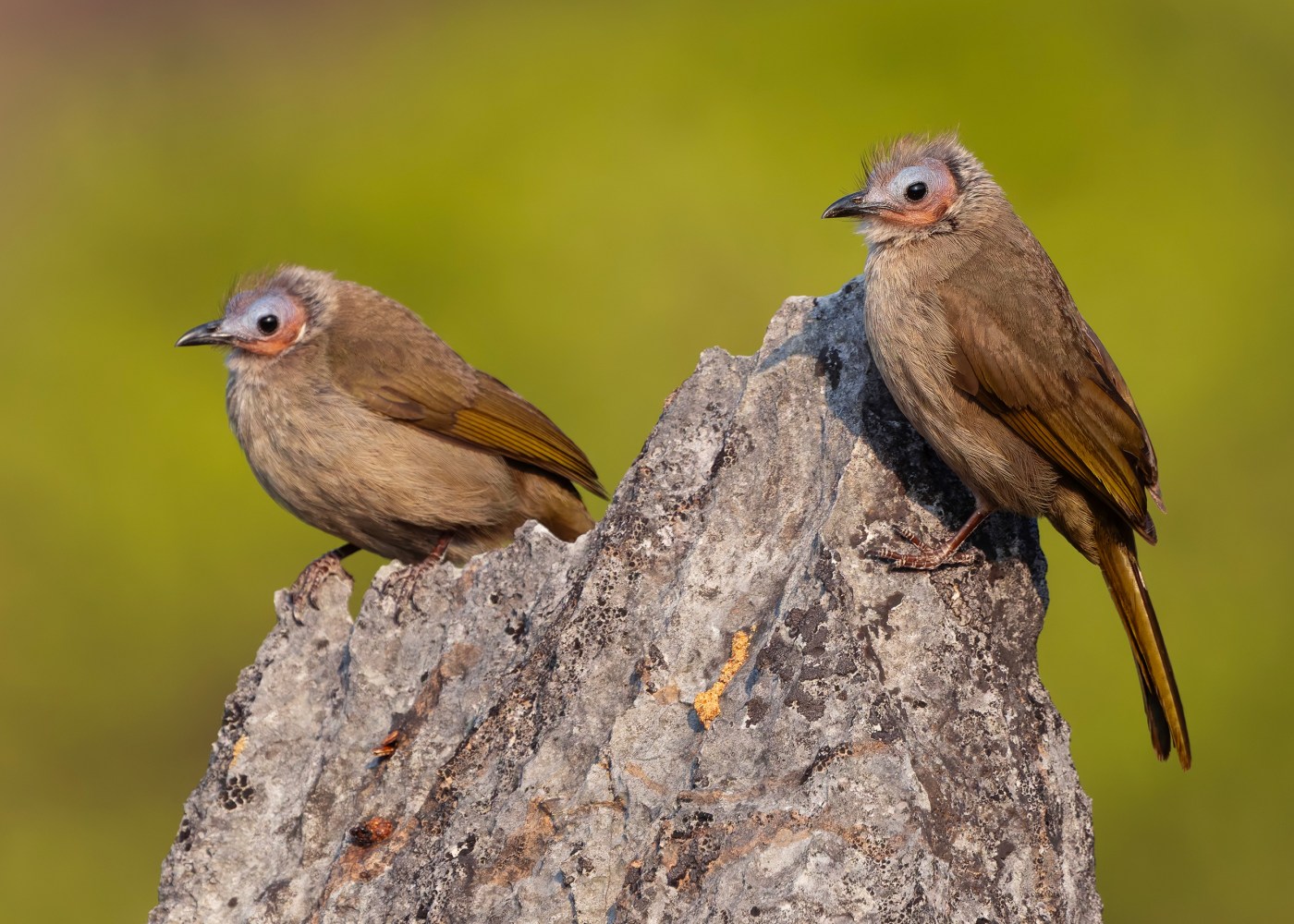
It took way too long for me to finally visit Laos for the first time. Even though Thailand and Laos share a long stretch of borders from Chiang Rai to Ubon Ratchathani, Laos was the last country in Southeast Asia that I visited. Between 9-11 March 2026, I finally visited Laos with few birding friends. Our destination was The Rock Viewpoint at Phouphamarn in Khammouan Province with the main target being the sole endemic bird in Laos, the Bare-faced Bulbul.
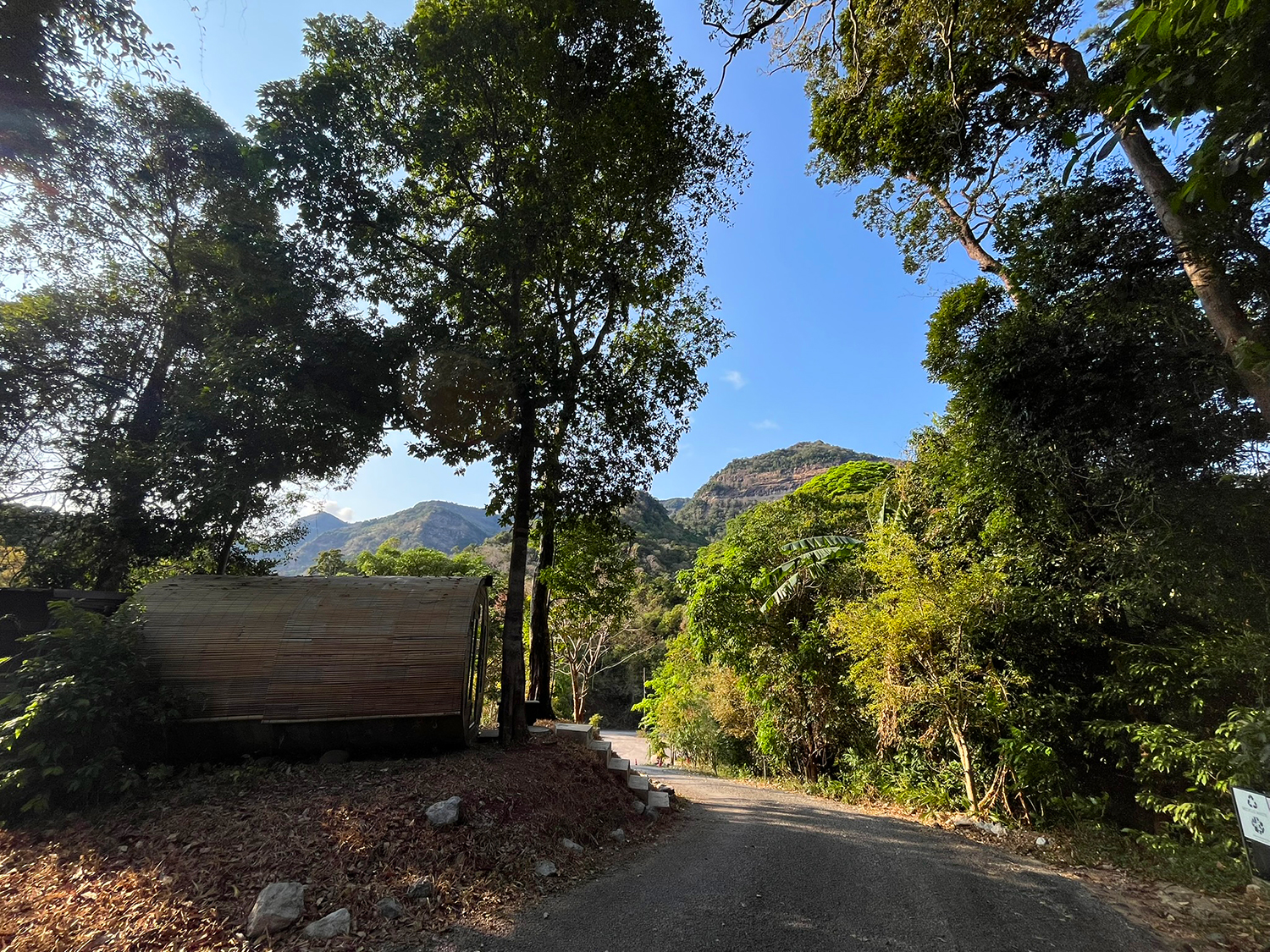
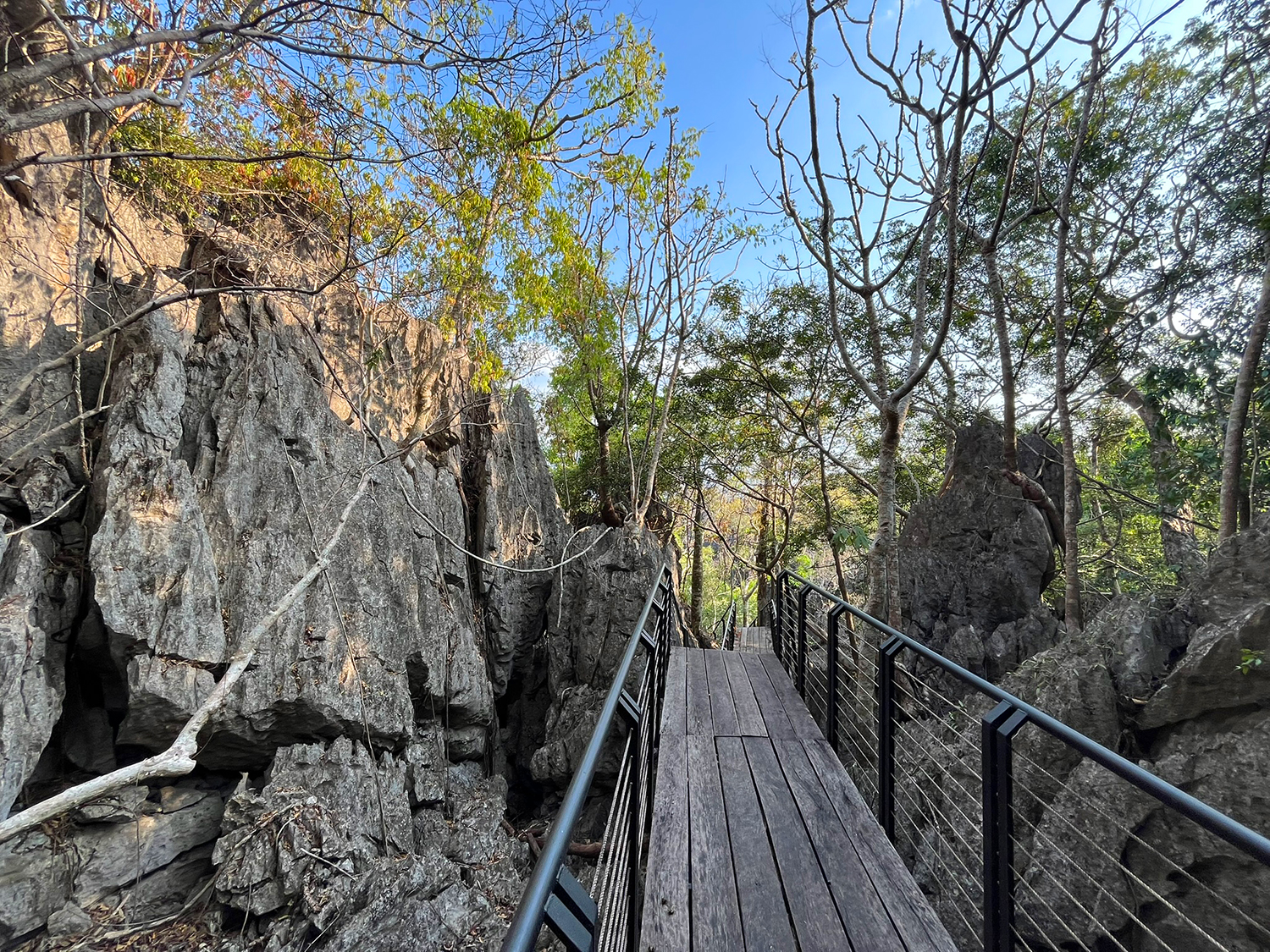
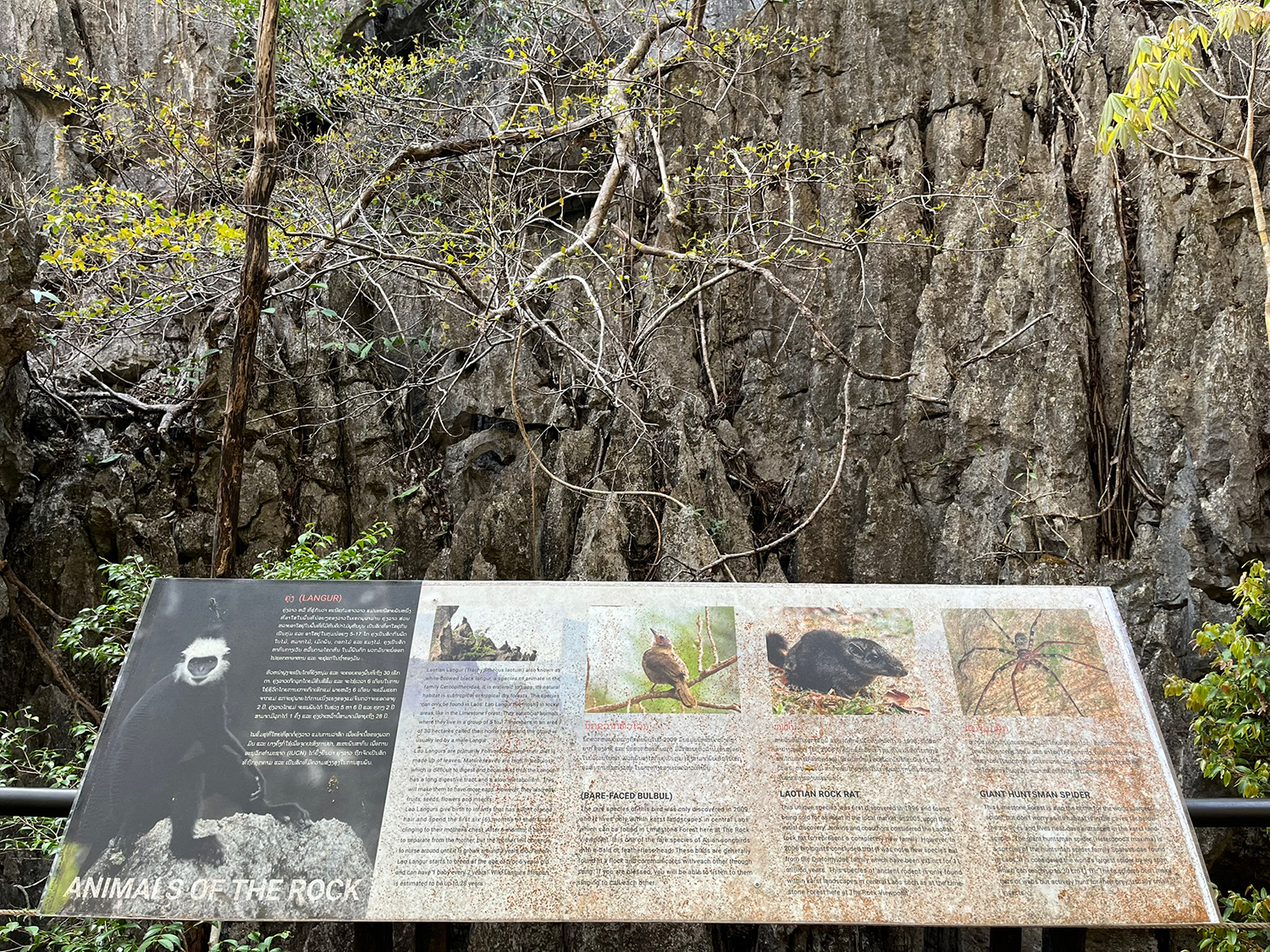
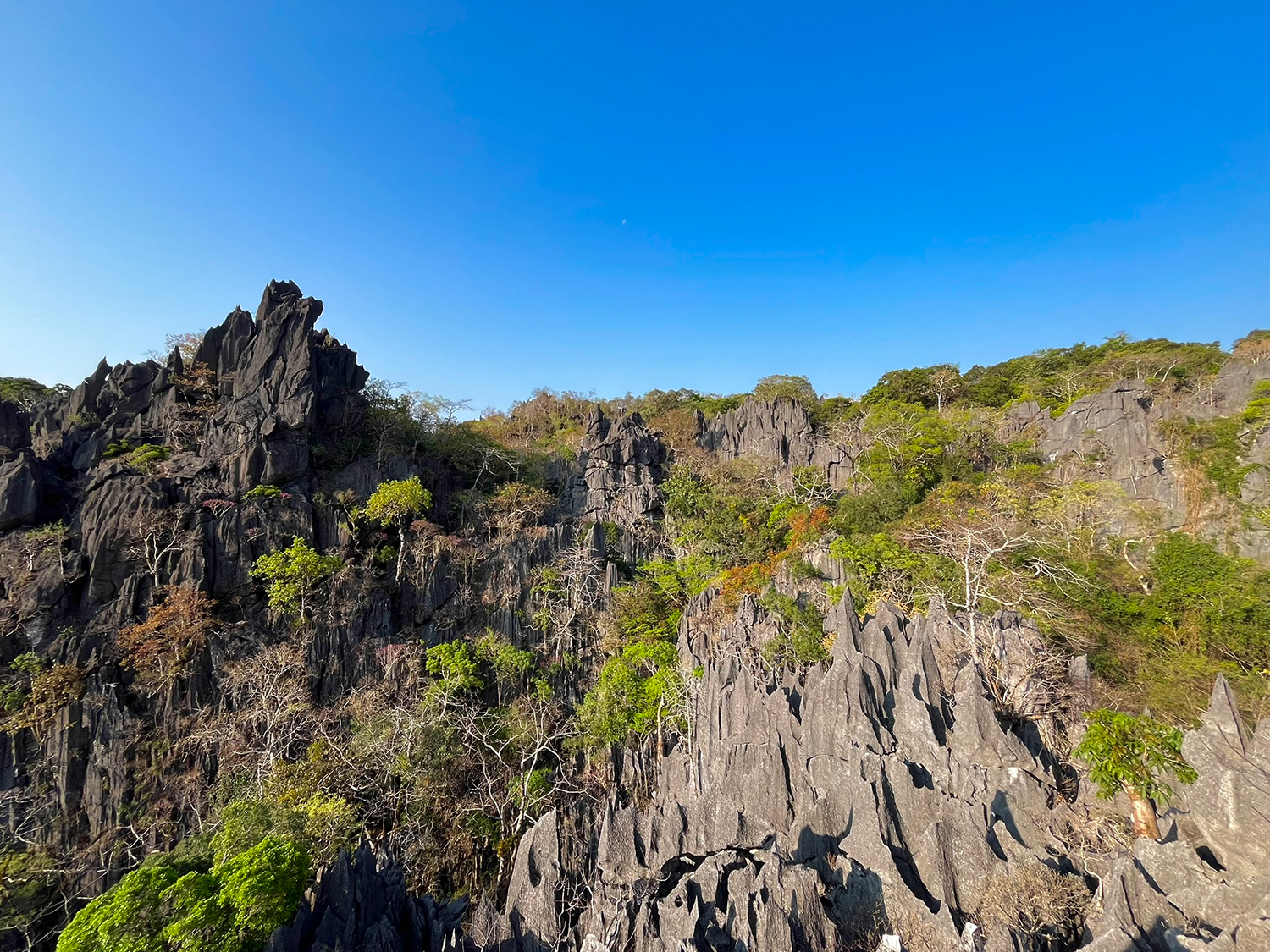
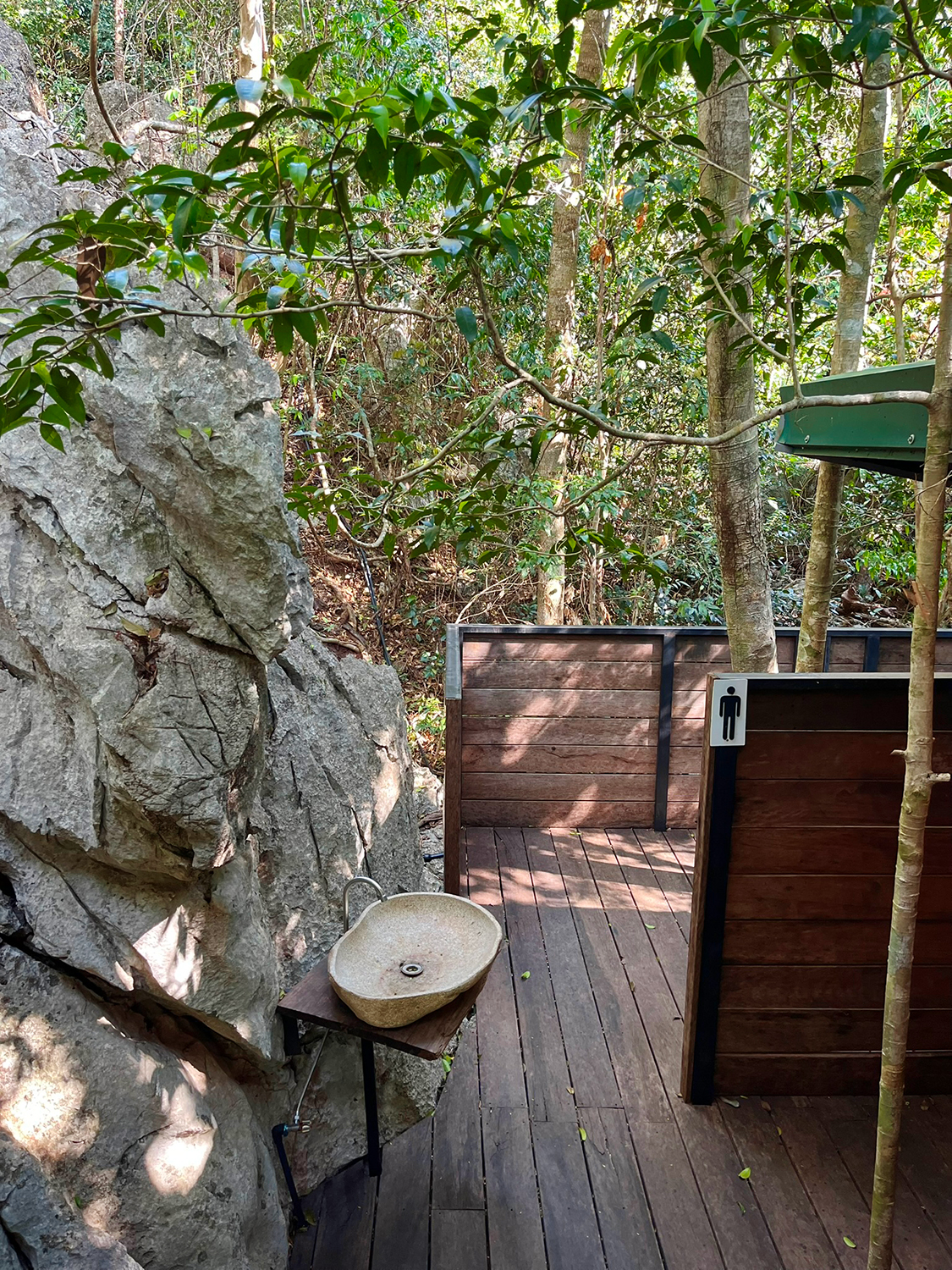
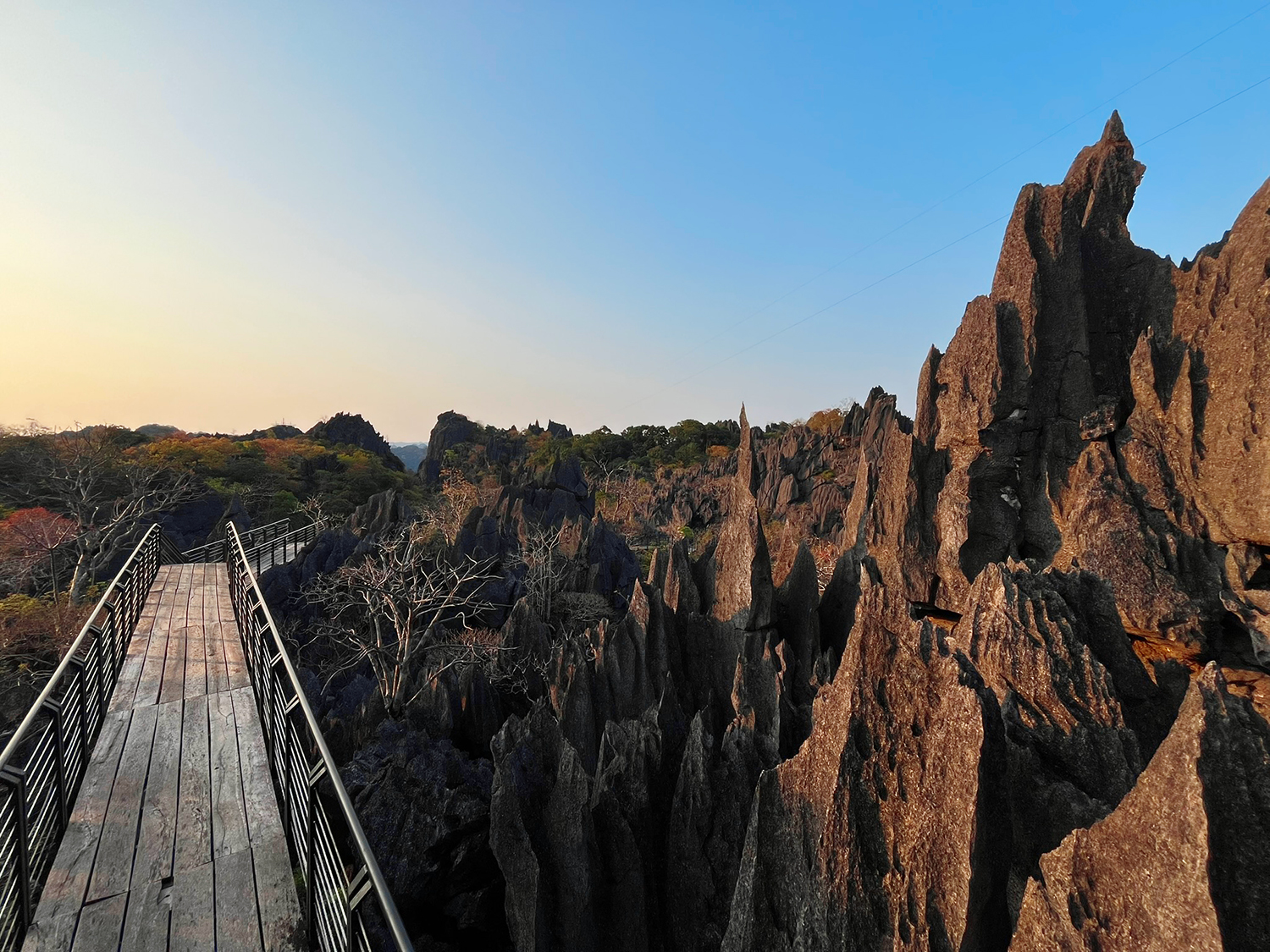
Our journey started with an early morning flight from Bangkok to Nakhon Phanom, where we booked a van to bring us to The Rock Viewpoint and back. It was a short ride from the airport to the bridge across Mekong River where we crossed over into Laos. The immigration process didn’t take too long and we were then off on a 2.5 hour-journey to Khammouan. We booked our rooms at The Rock Lodge located right next to The Rock Viewpoint. These facilities are managed by Green Discovery Laos under the Inthira Group, a leading adventure travel and eco-tourism company.
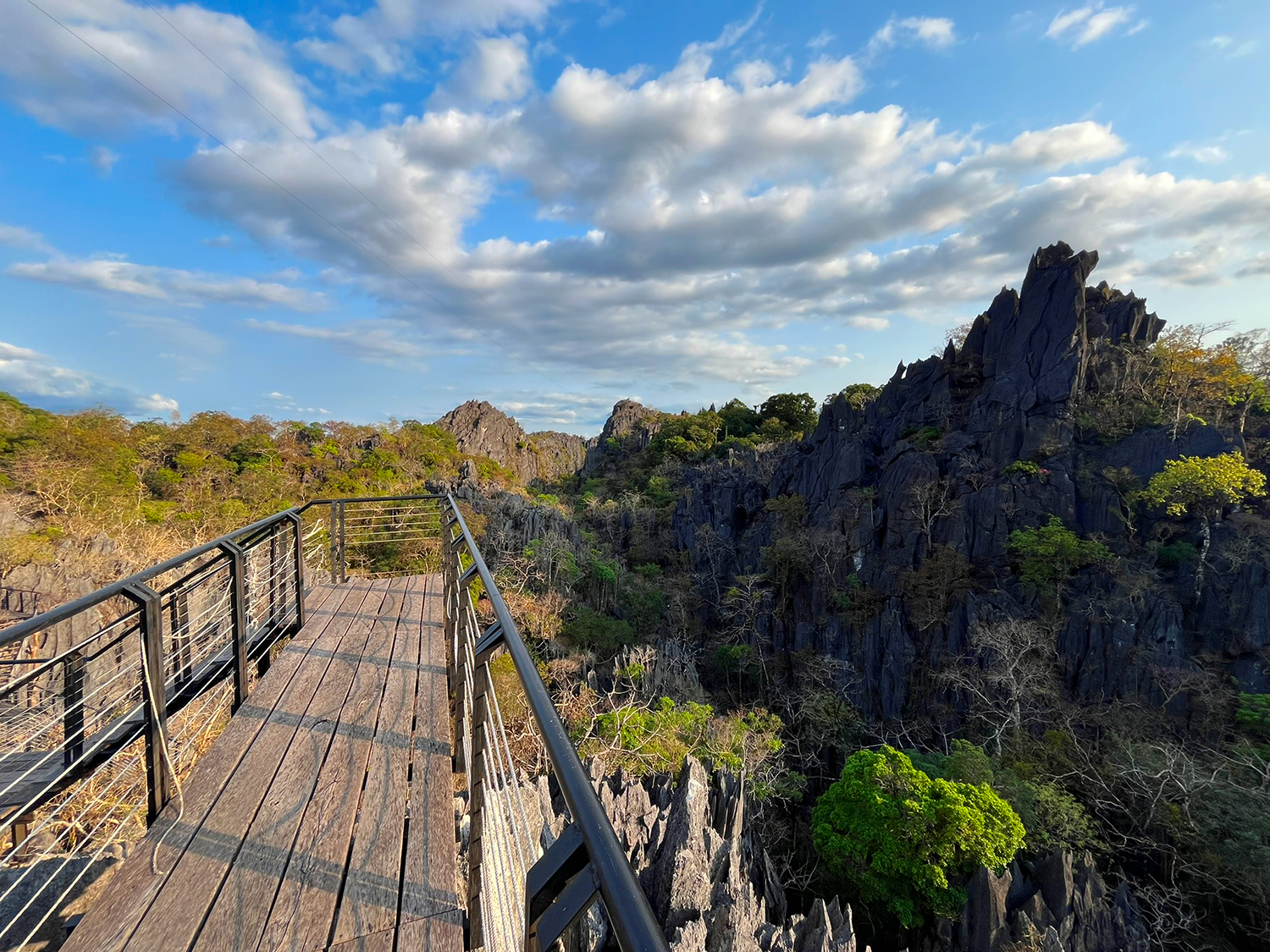
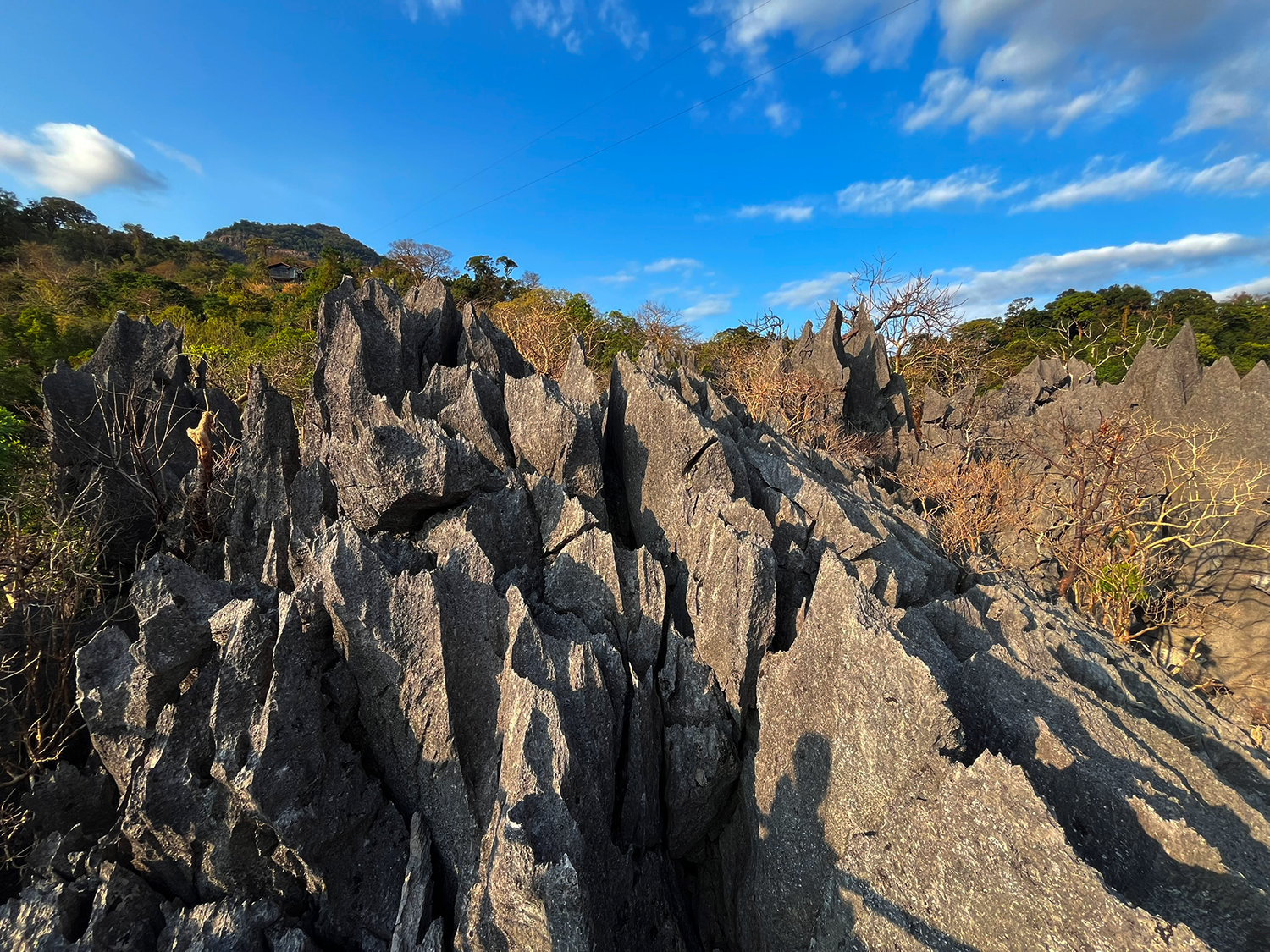
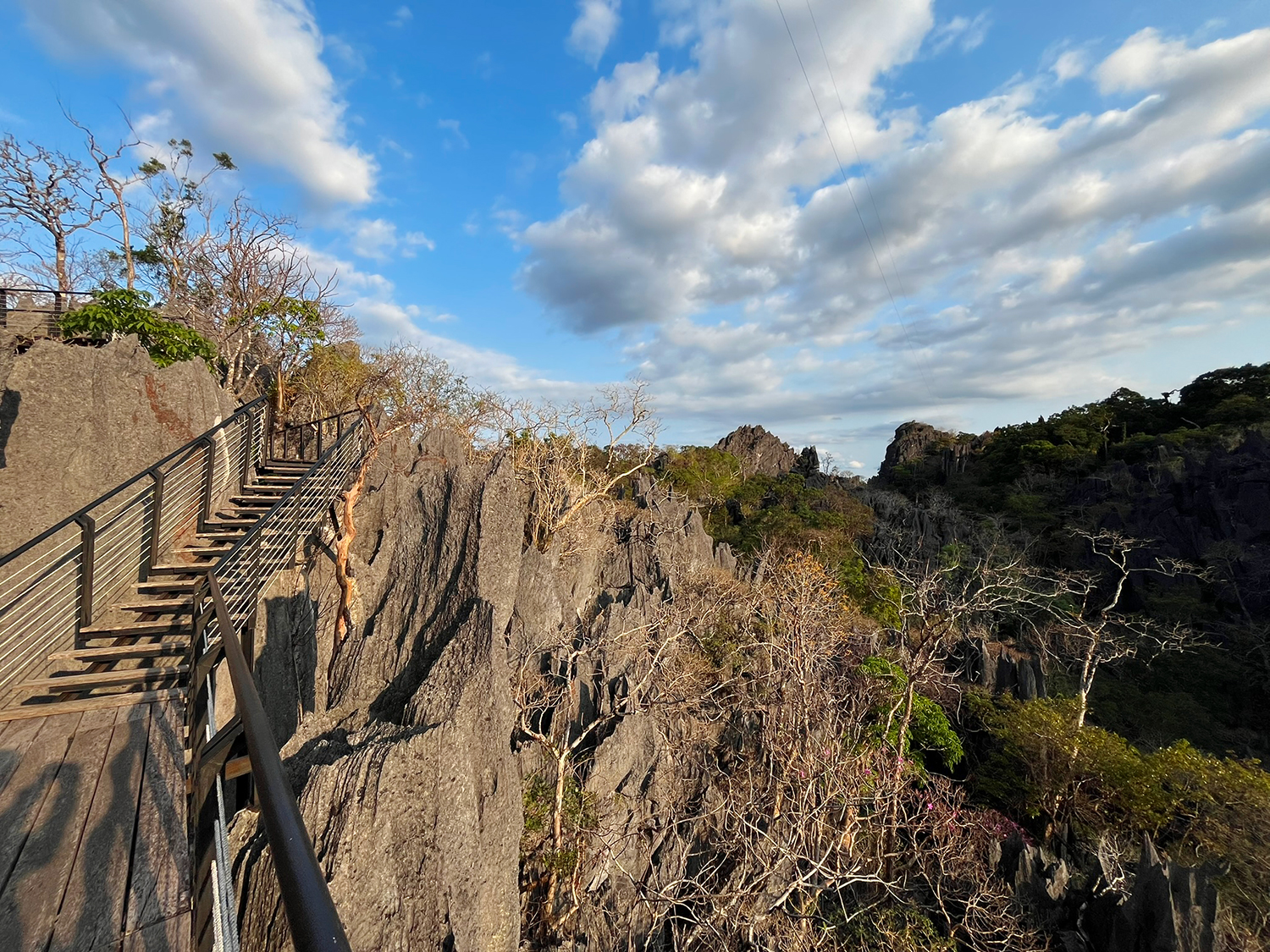
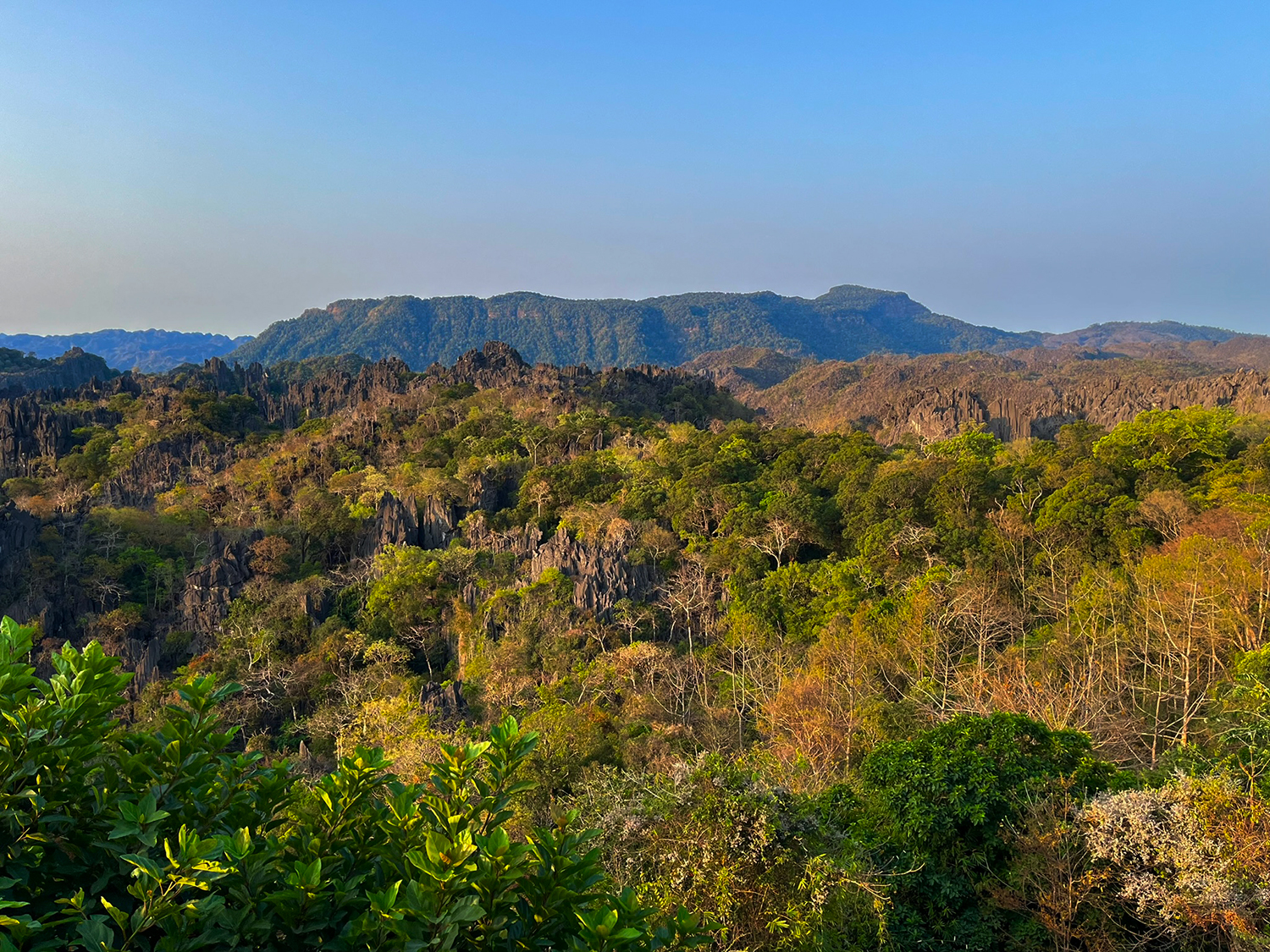
Once checked in, we were free to enter the boardwalk trail built below The Rock Viewpoint and the lodge. I believe that if you are not a guest of the lodge, you would need to pay a small amount of entrance fee to enter the boardwalk. This trail is truly one of the most amazing boardwalk trails that I’ve ever seen. The entrance to the trail is right below the starting point of the zipline that goes over the vast valley of limestone karsts where most tourists come to experience. In fact, we constantly saw people gliding over us on the zipline (some screaming) while we were birding there. The boardwalk then takes you down through dense deciduous forest to the open landscape of the limestone karsts. It is a very scenic trail that allows you to access into limestone habitats that were basically out of reach due to the steep climb and dangerously sharp limestone peaks. It is also a loop trail, so it was very easy to walk around.
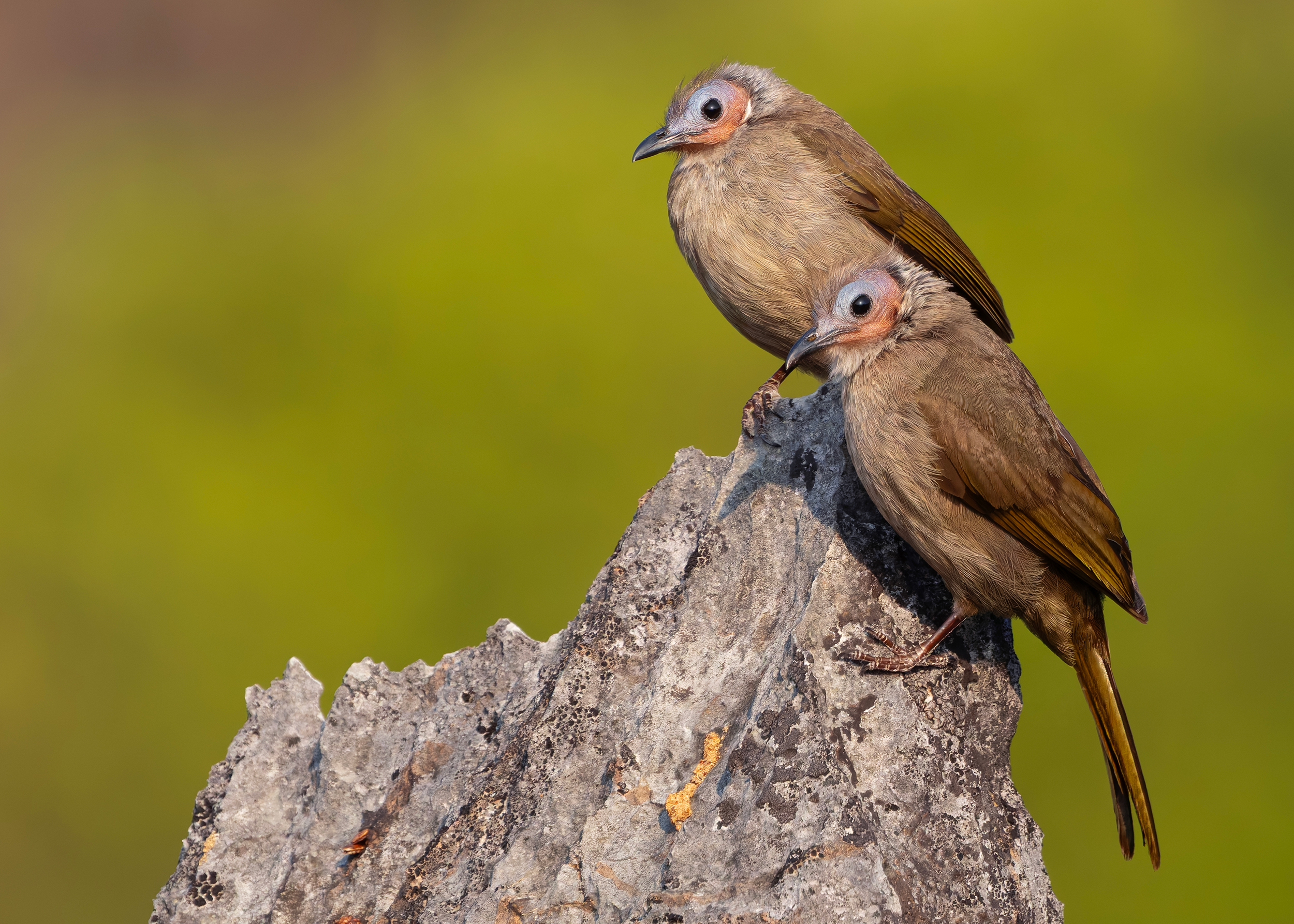
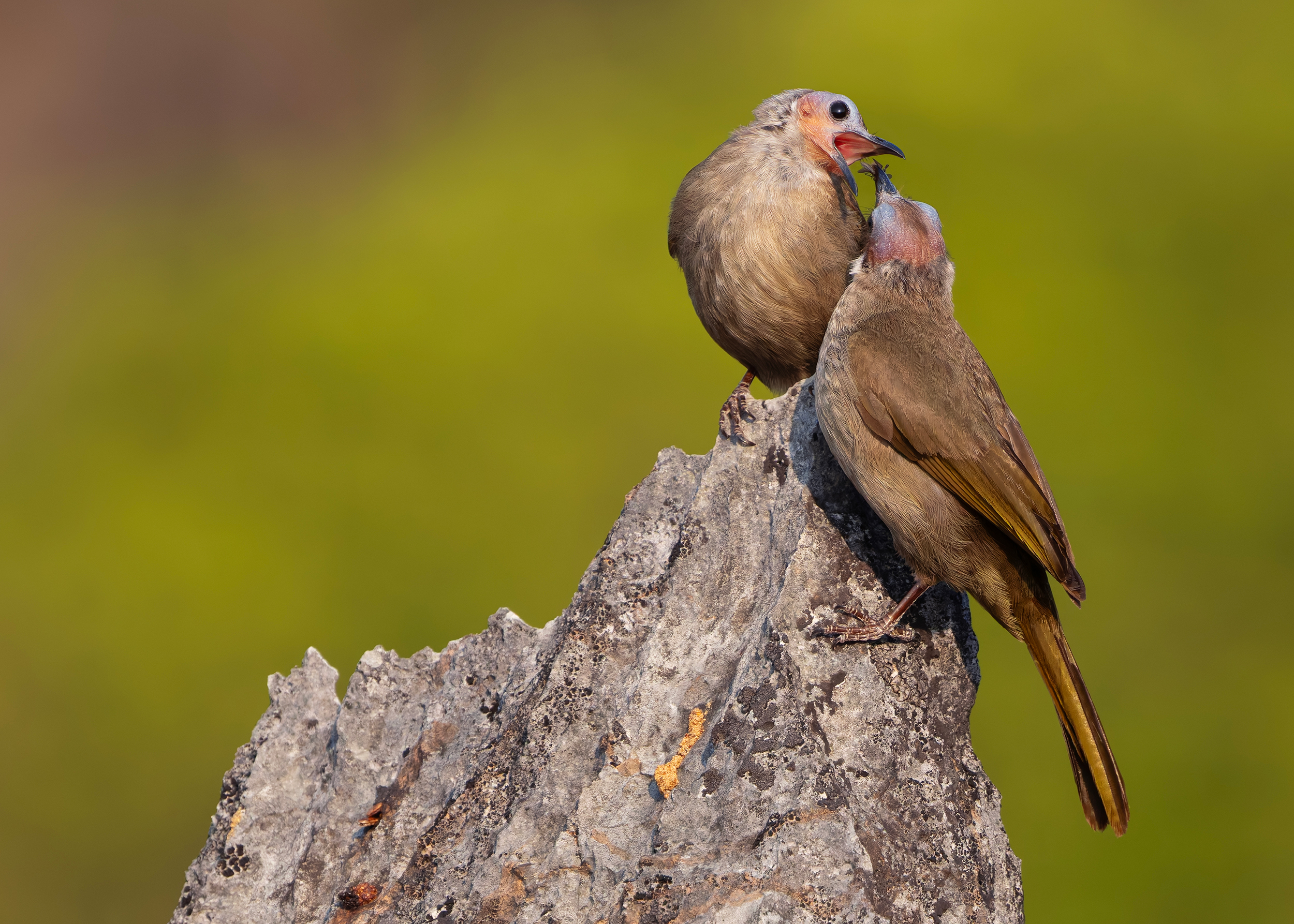
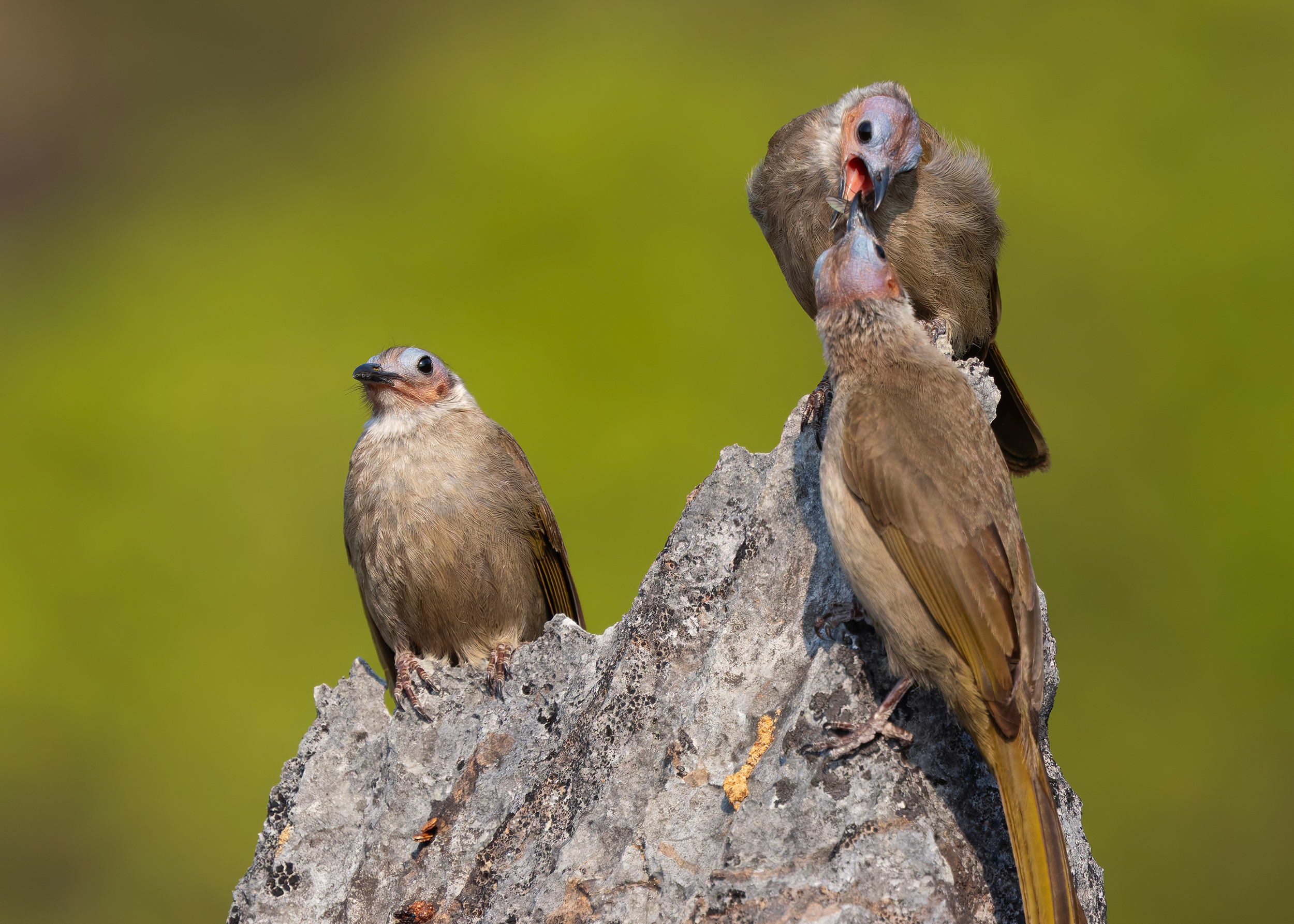
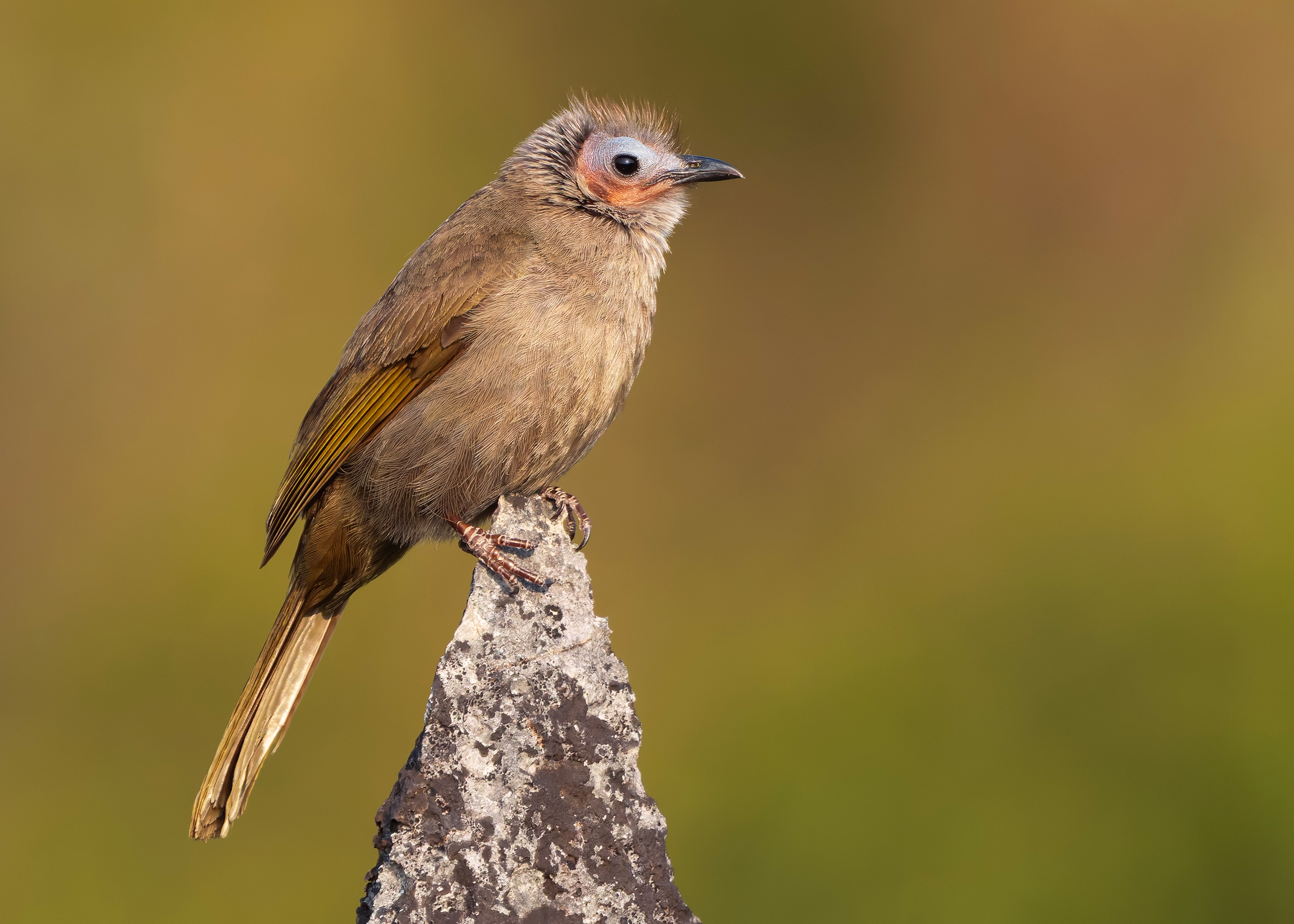
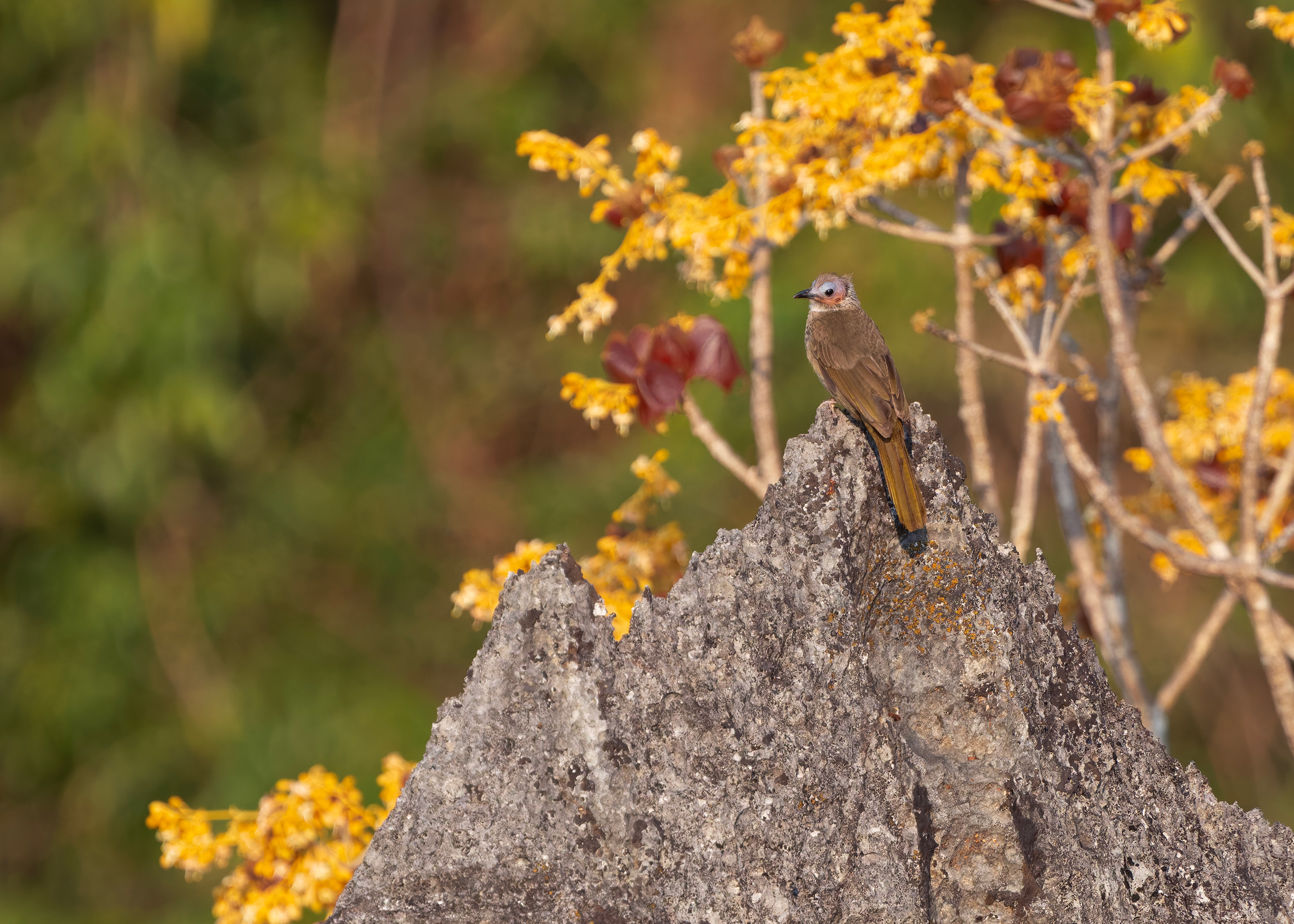
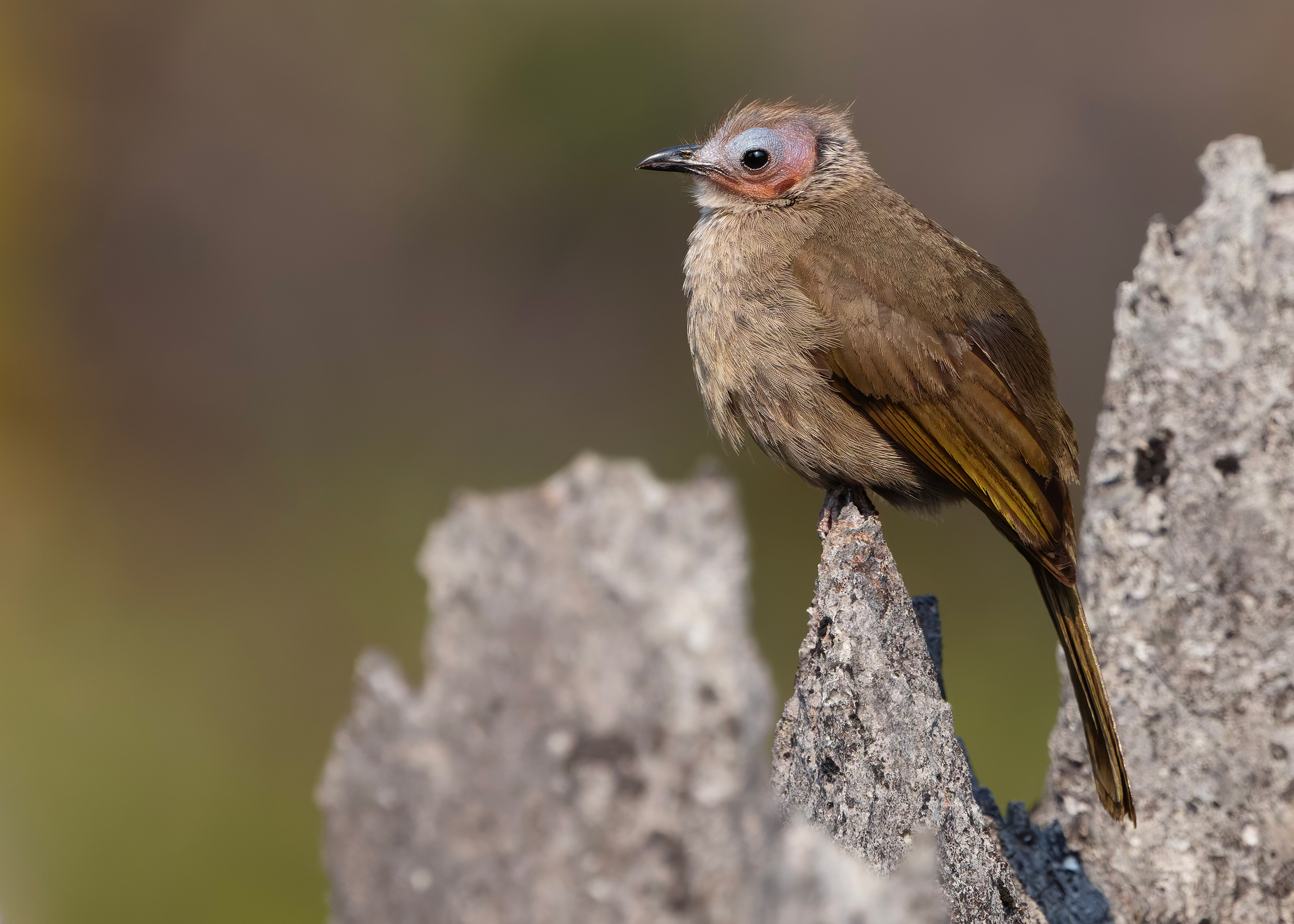
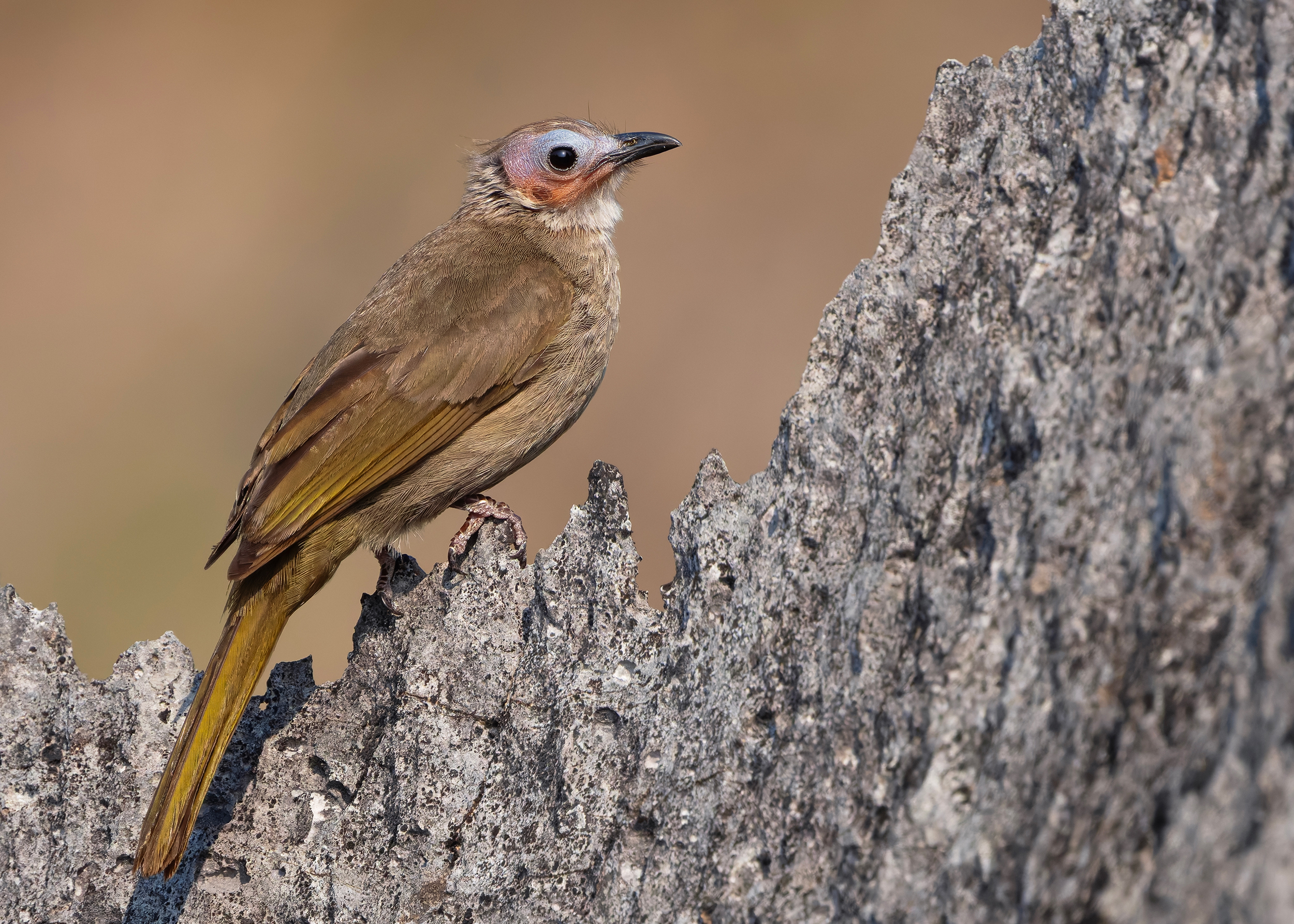
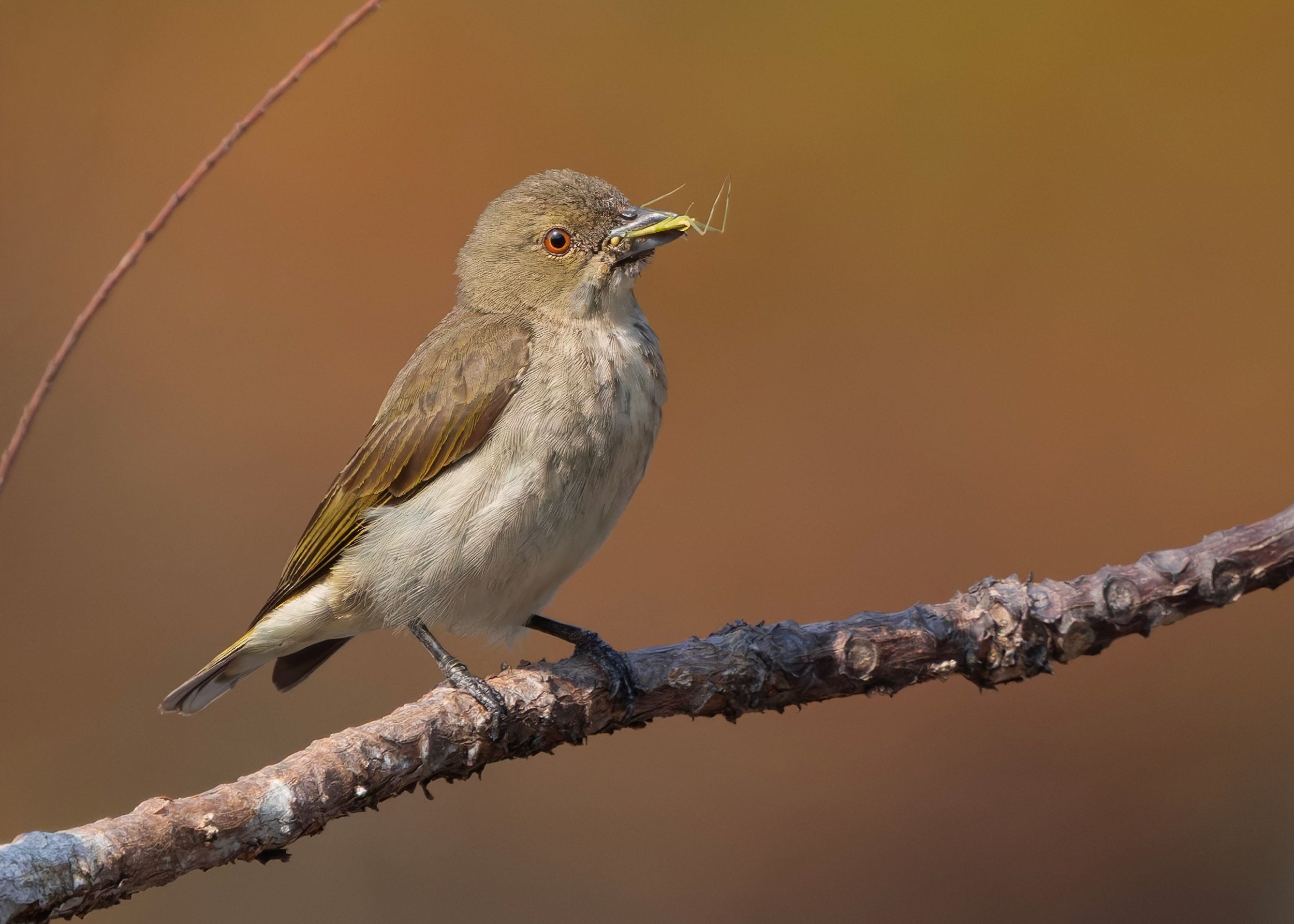
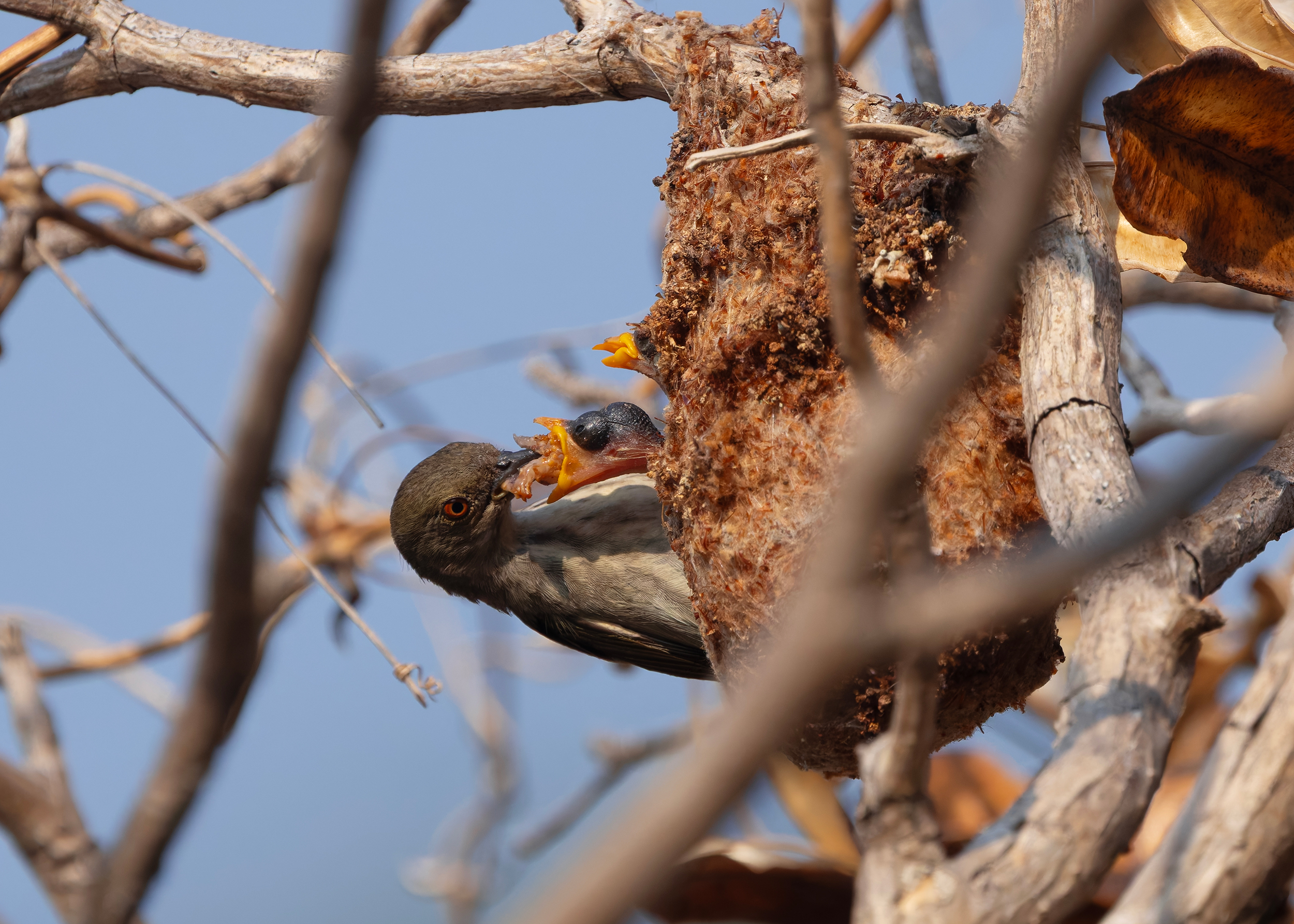
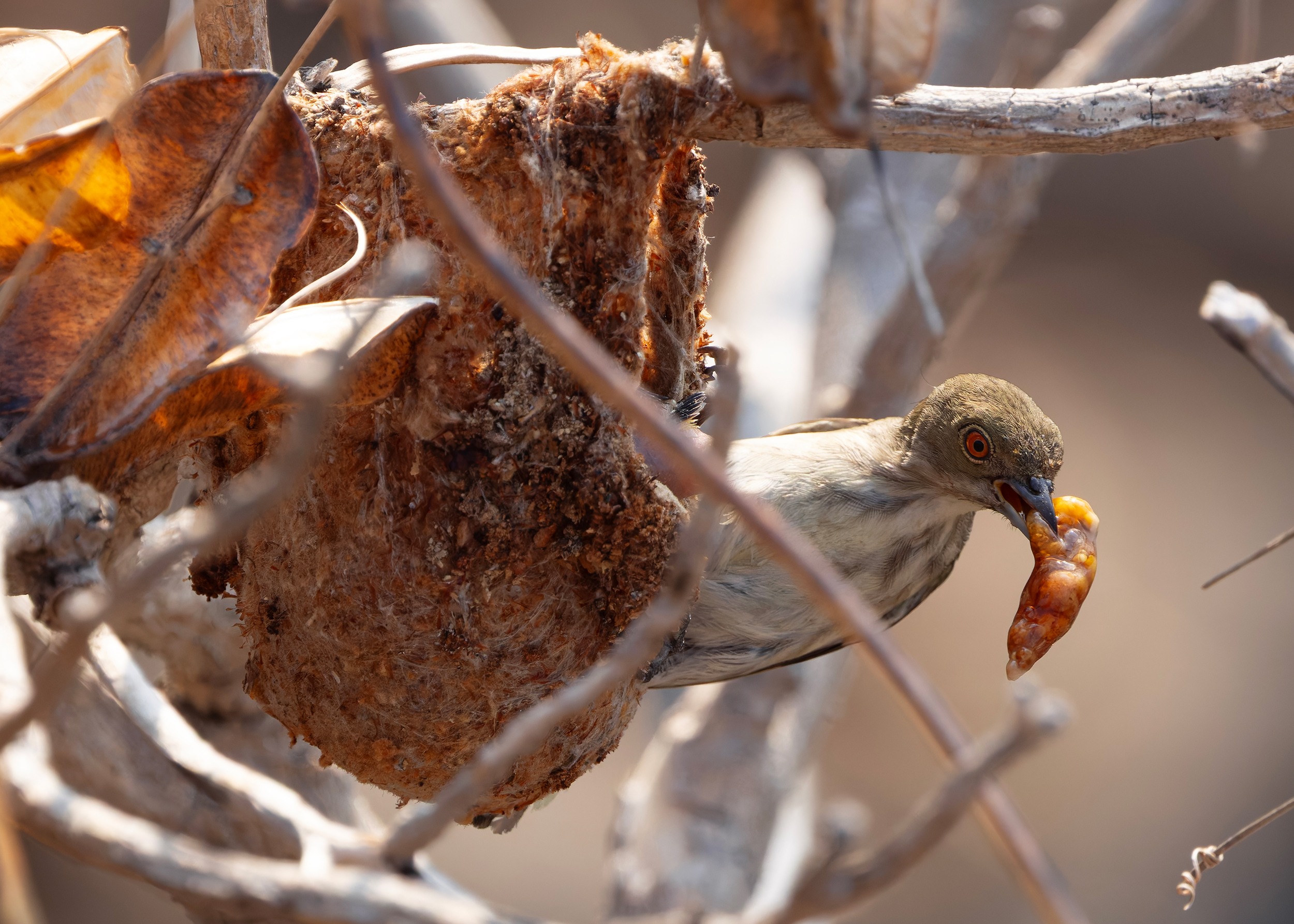
Our main target, the Bare-faced Bulbul (Nok hualon) is the only endemic bird in Laos. It was also quite recently described back in 2009 following just a handful of sightings since 1995. There are many interesting facts about this bird. It is the only known bulbul to occur solely in limestone habitats. They have only been observed on the middle to upper levels of limestone karsts, never at the foothills away from the open karsts. The scientific name of this species is also very unique. It was previously placed within the genus Pycnonotus, but a more recent phylogenetic study suggests that it is more unique than previously thought, being closer to the genus Spizixos (finchbills). The new monotypic genus was then named “Nok” meaning “bird” in Laos language. The specific epithet “hualon” means “bald”, so the full scientific name of this species literally translates to a “bald bird” in Laos. The name reflects the species’ most unique feature which is the lack of feathers on the head. Unlike other bulbuls, the Bare-faced Bulbul has largely bare head with only sparse hair-like feathers on the crown. However, I find it to be such a subtle beauty with shades of pink, purple, and blue on the bare facial parts.
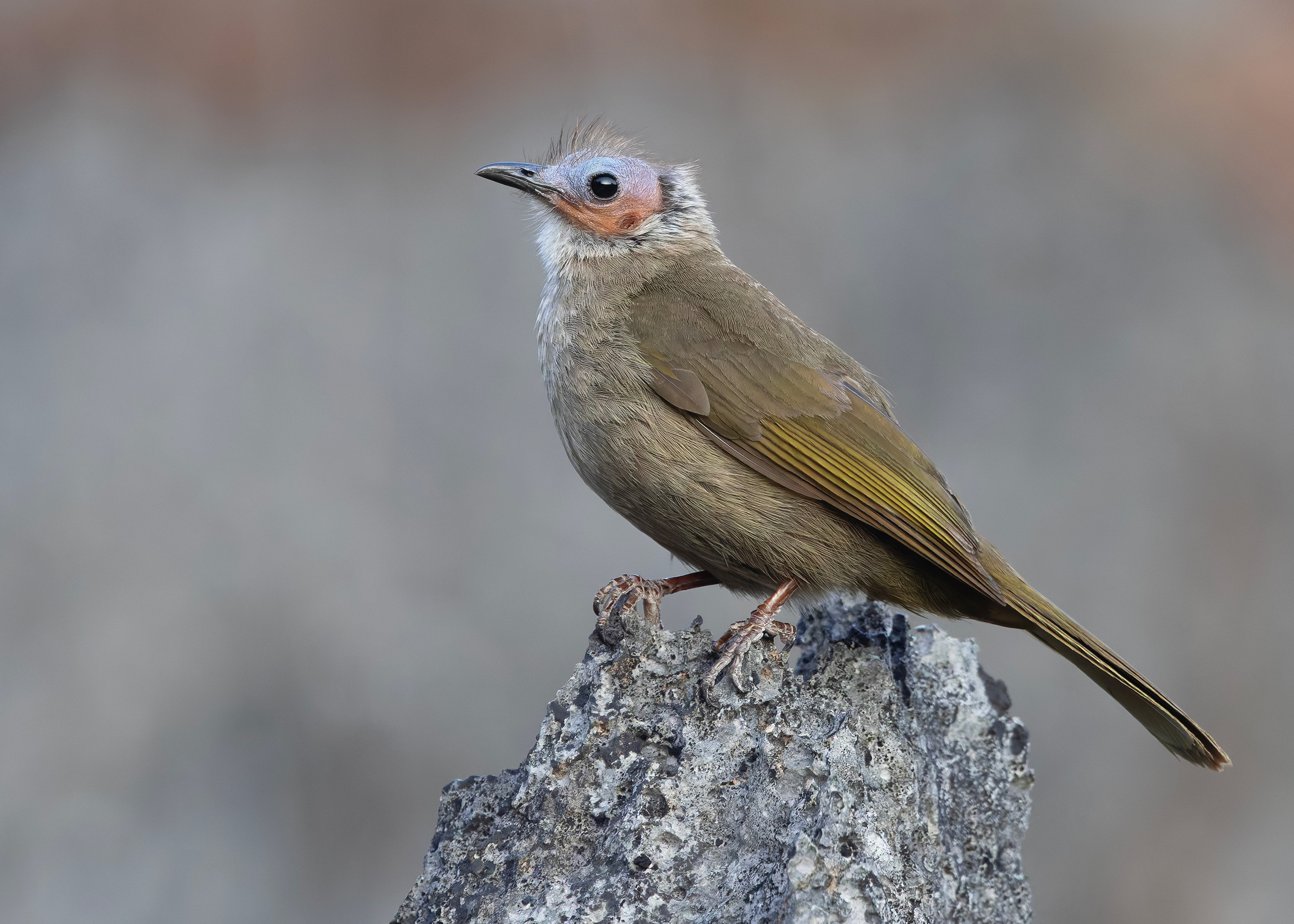
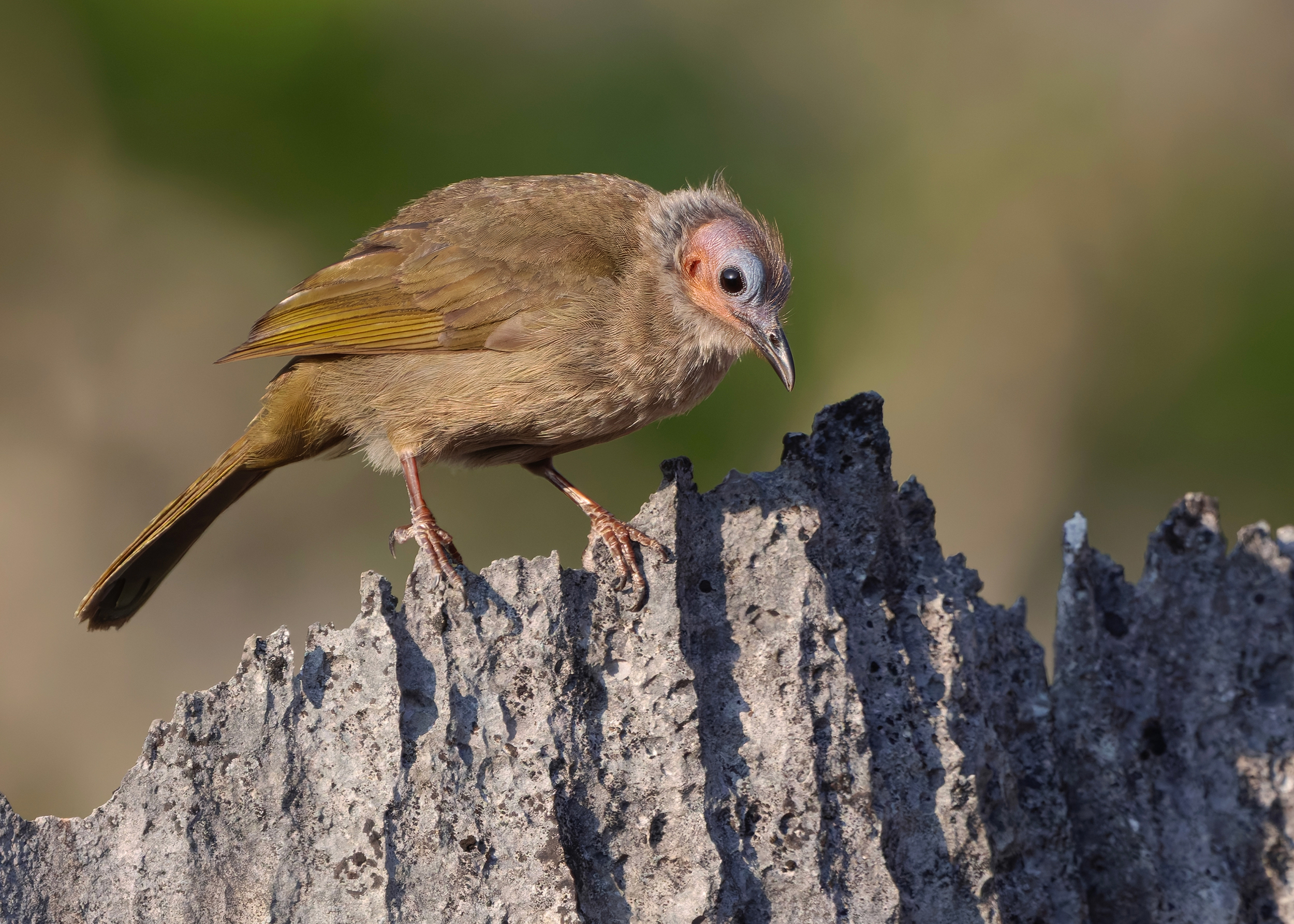
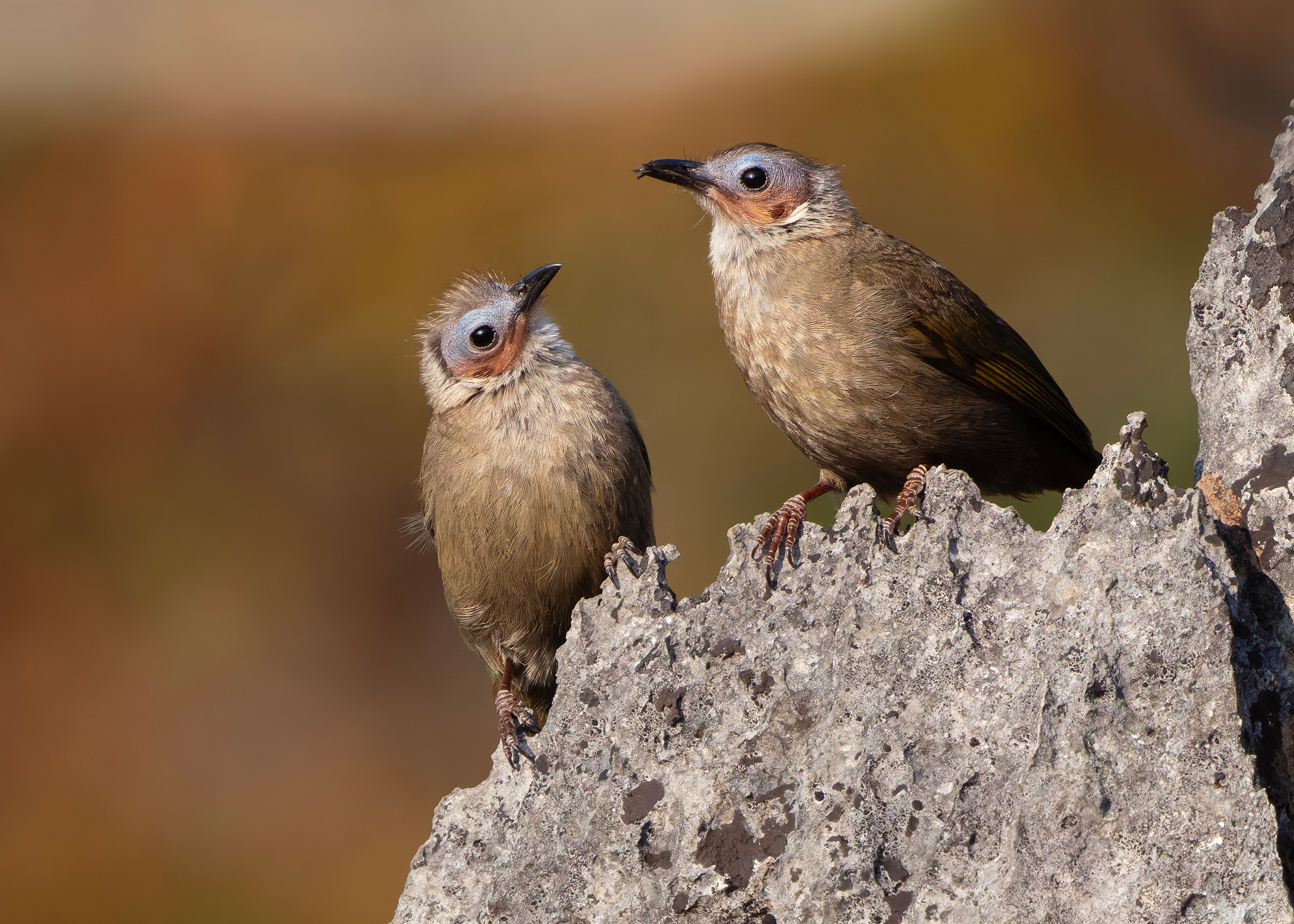
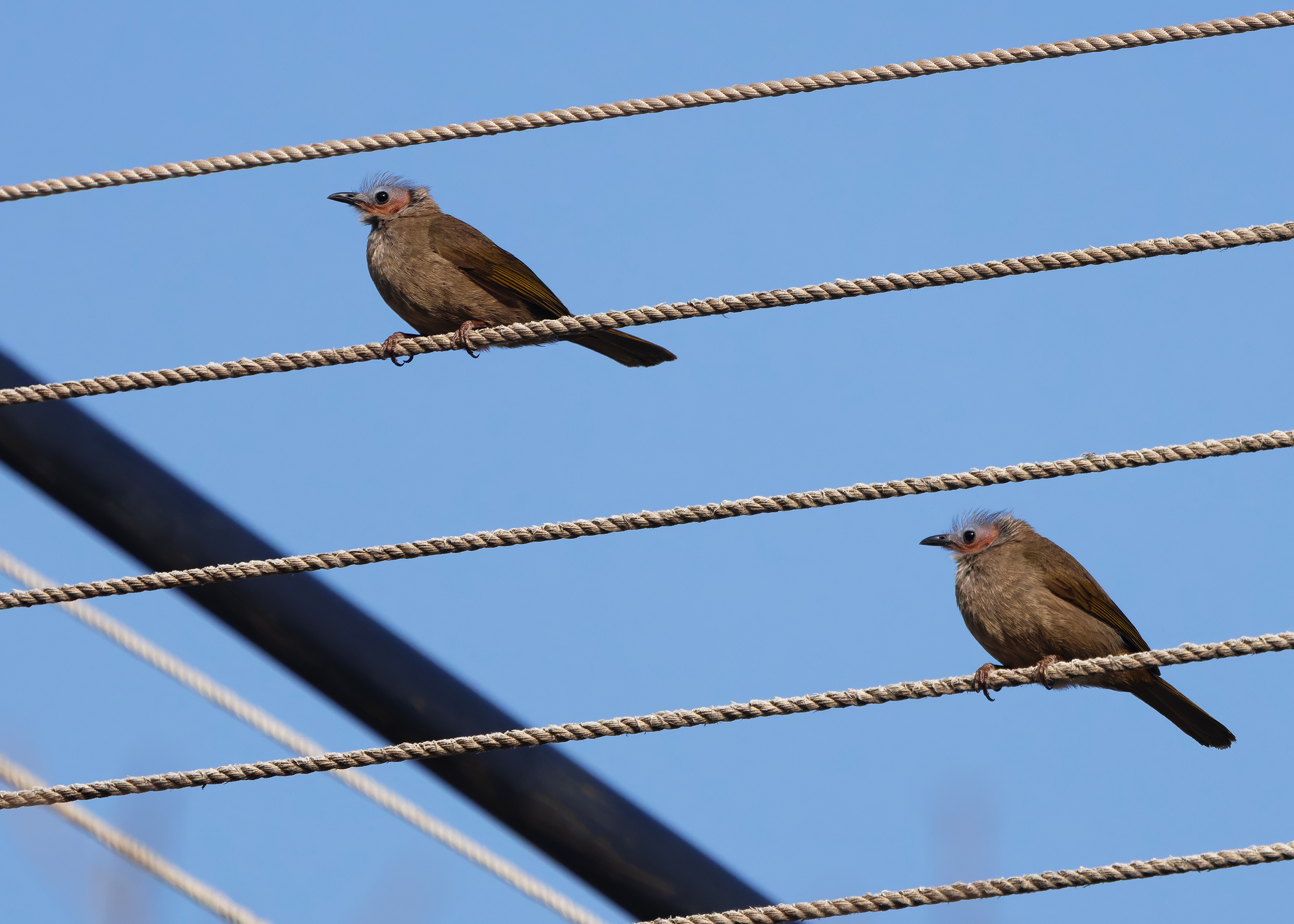
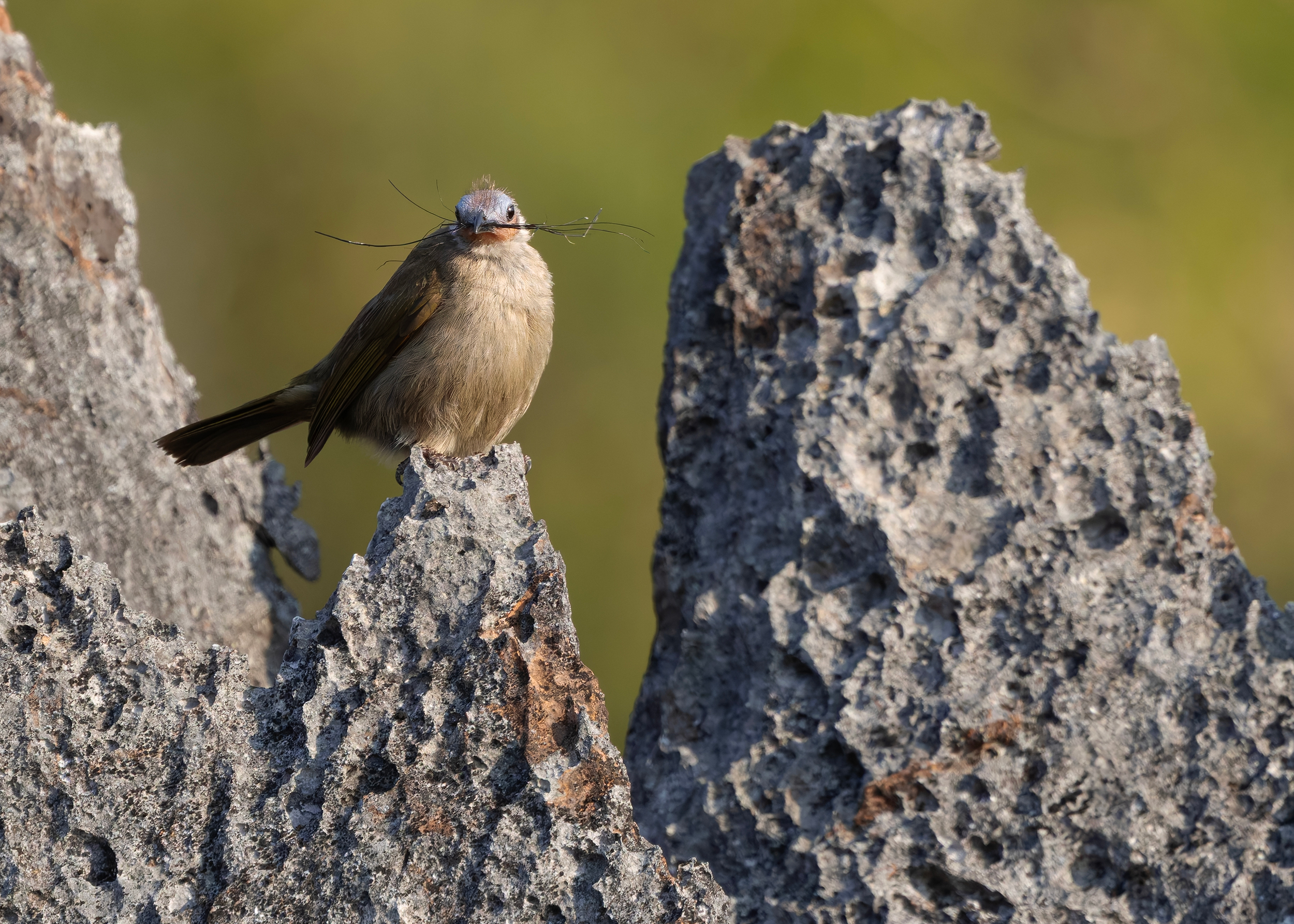
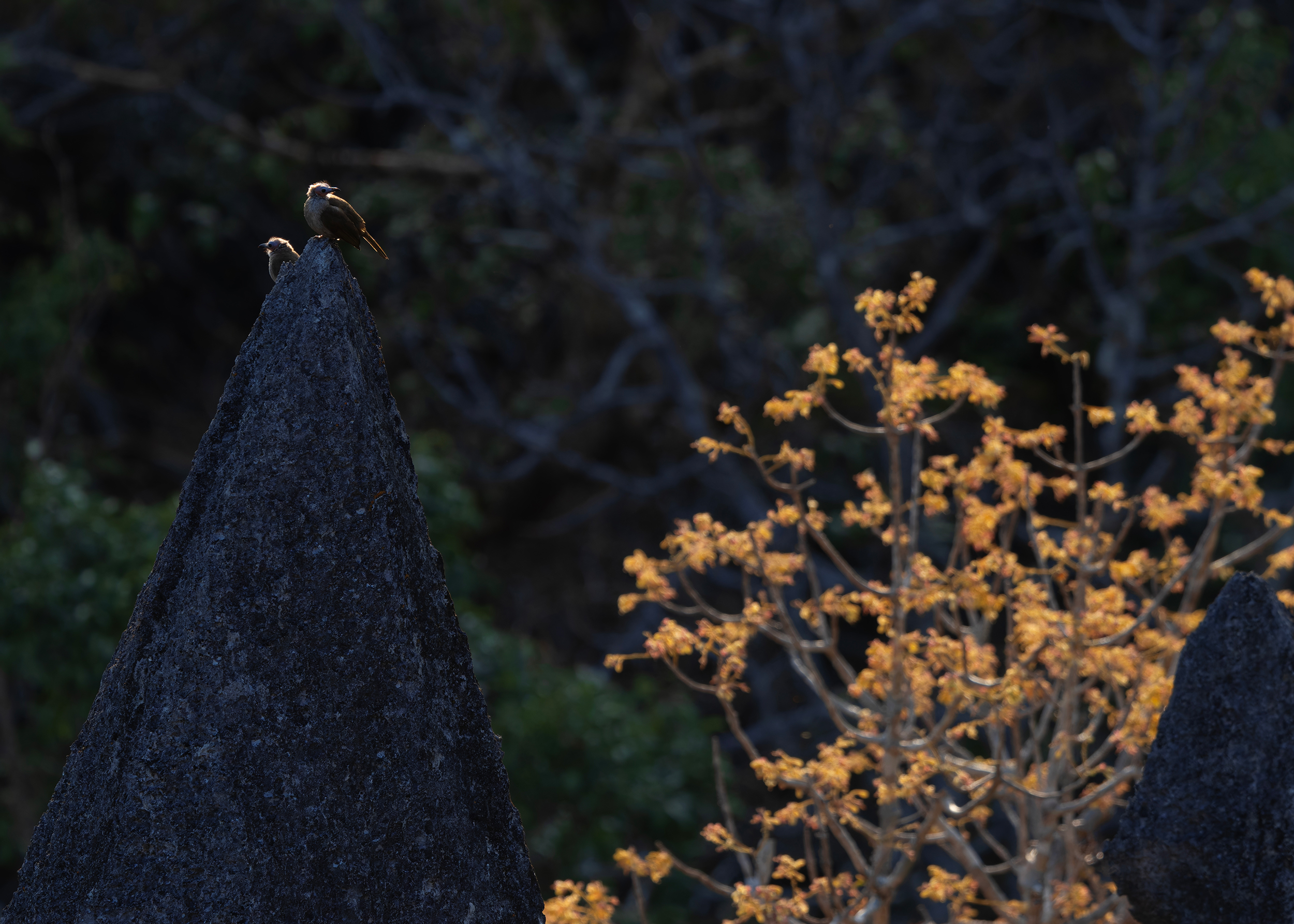
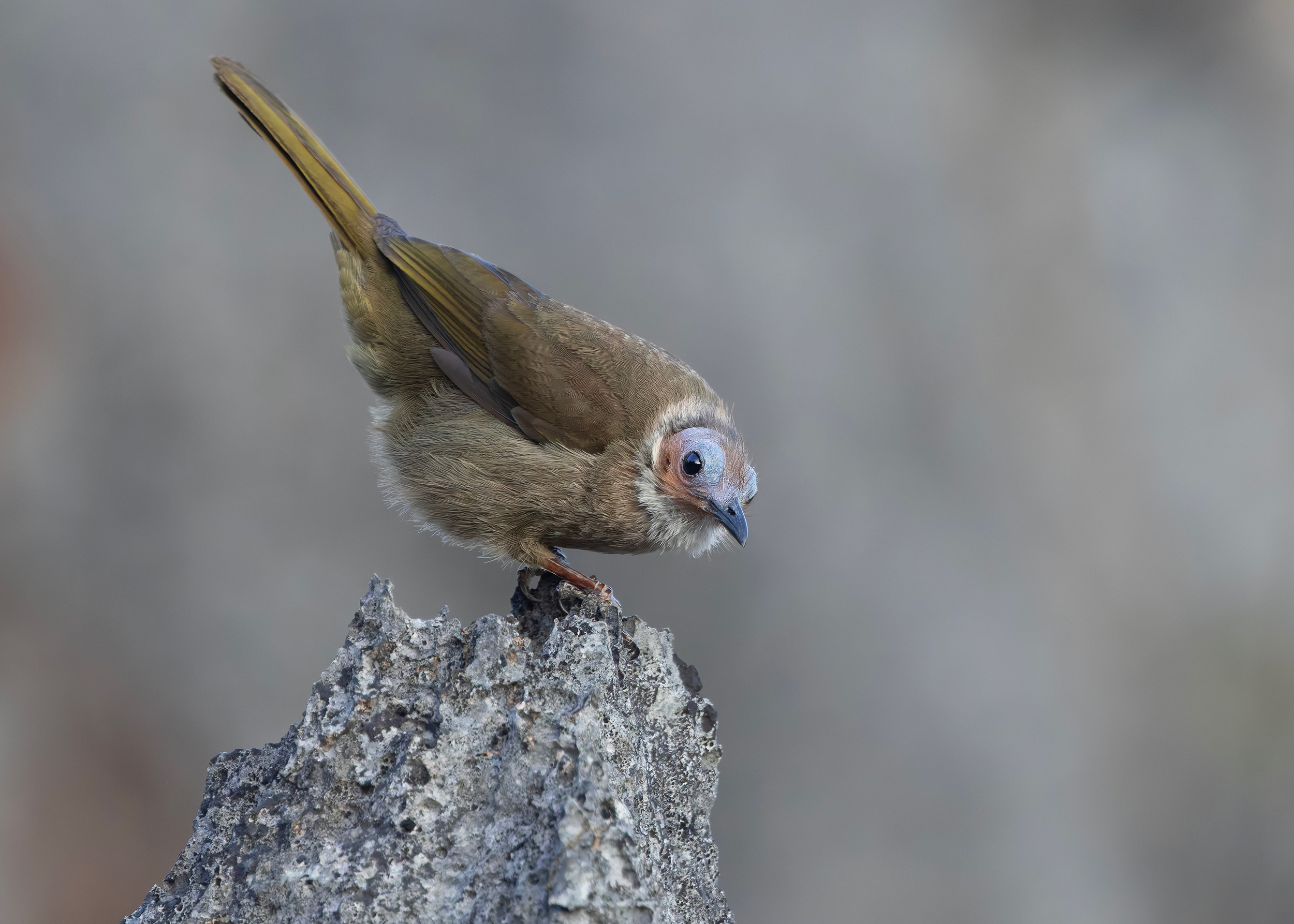
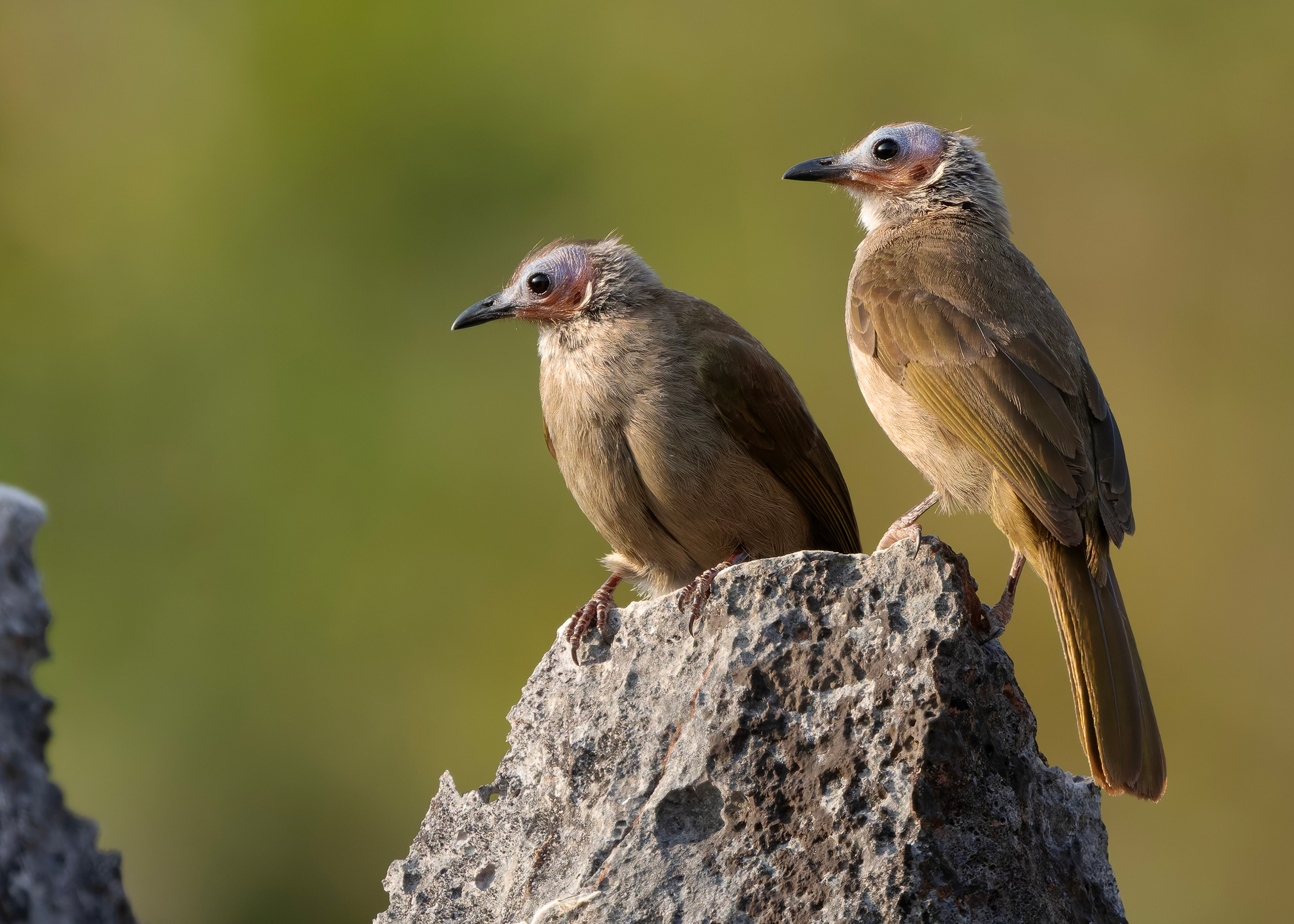
The bulbuls were readily seen once we entered the open limestone area. Several birds were immediately seen perching on the open rocks where they liked to sit and look out for preys, mostly flying insects, as well as to rest and preen in the morning and late afternoon. They were also tame and could be approached very easily. I noticed that they mainly hawked for insects in mid-air then came back to eat on the rocks. I also observed several birds catching insects then feeding them to the other bird signalling that it is the start of the mating season. I truly had a great time watching and photographing them during my stay.
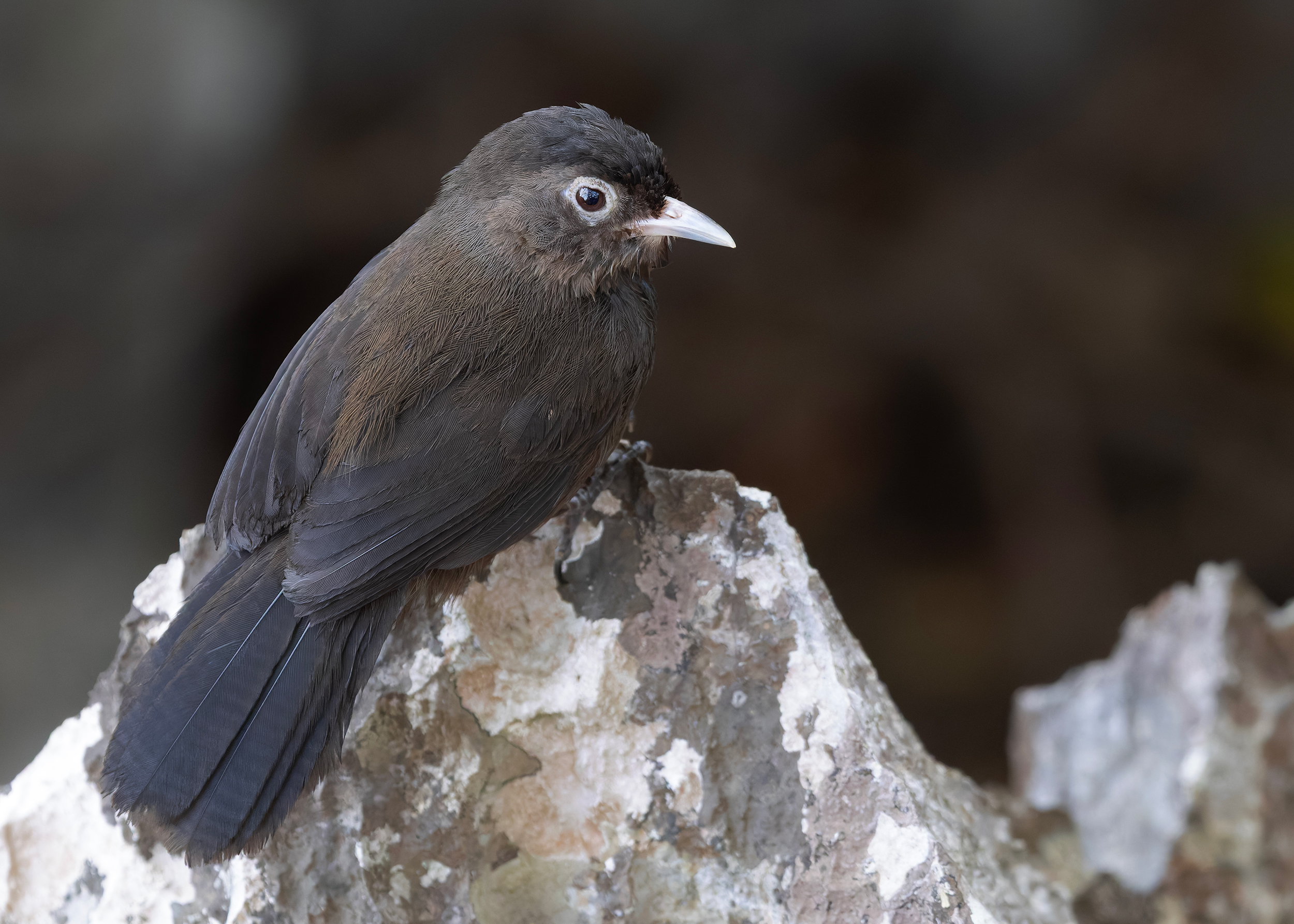
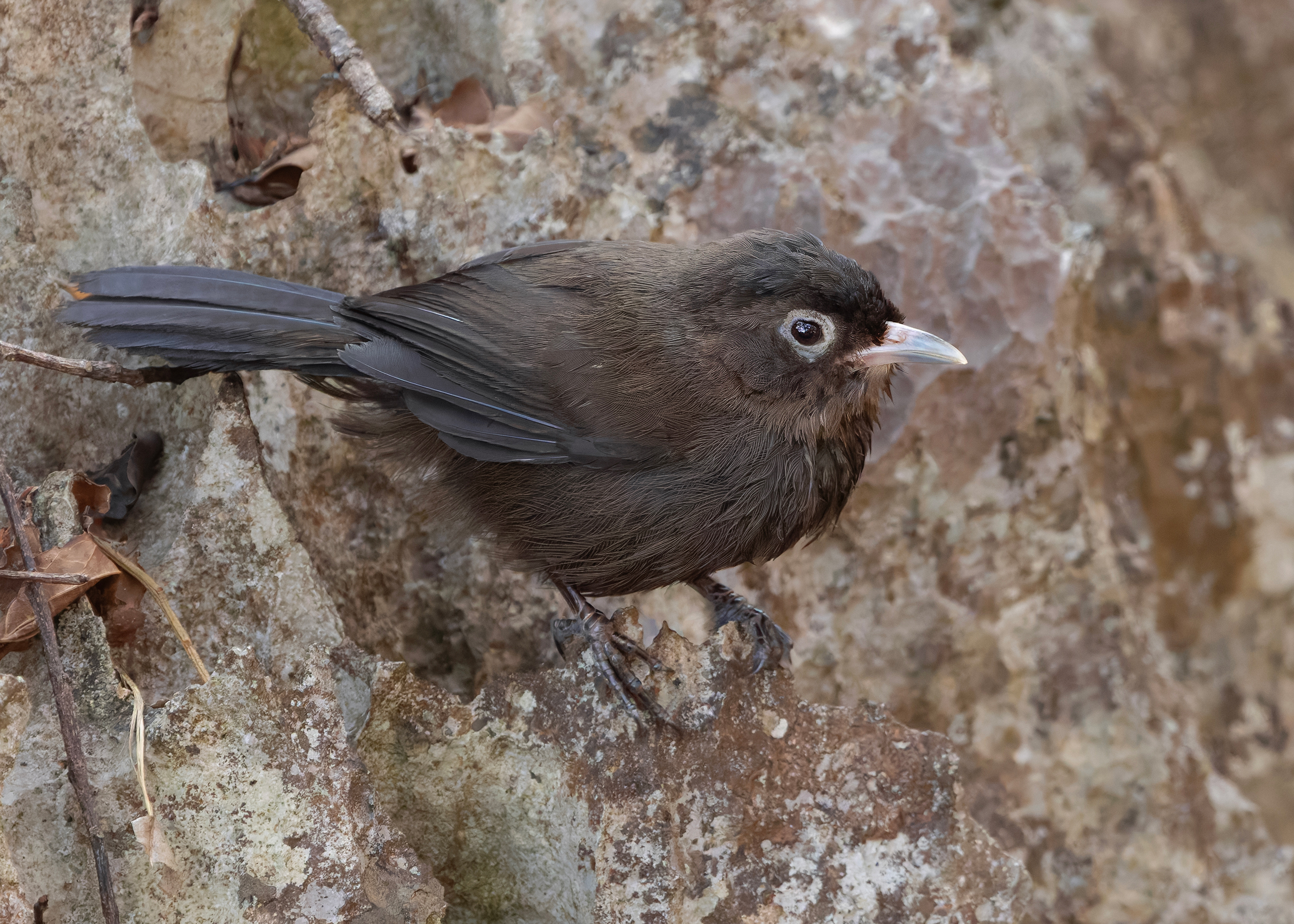
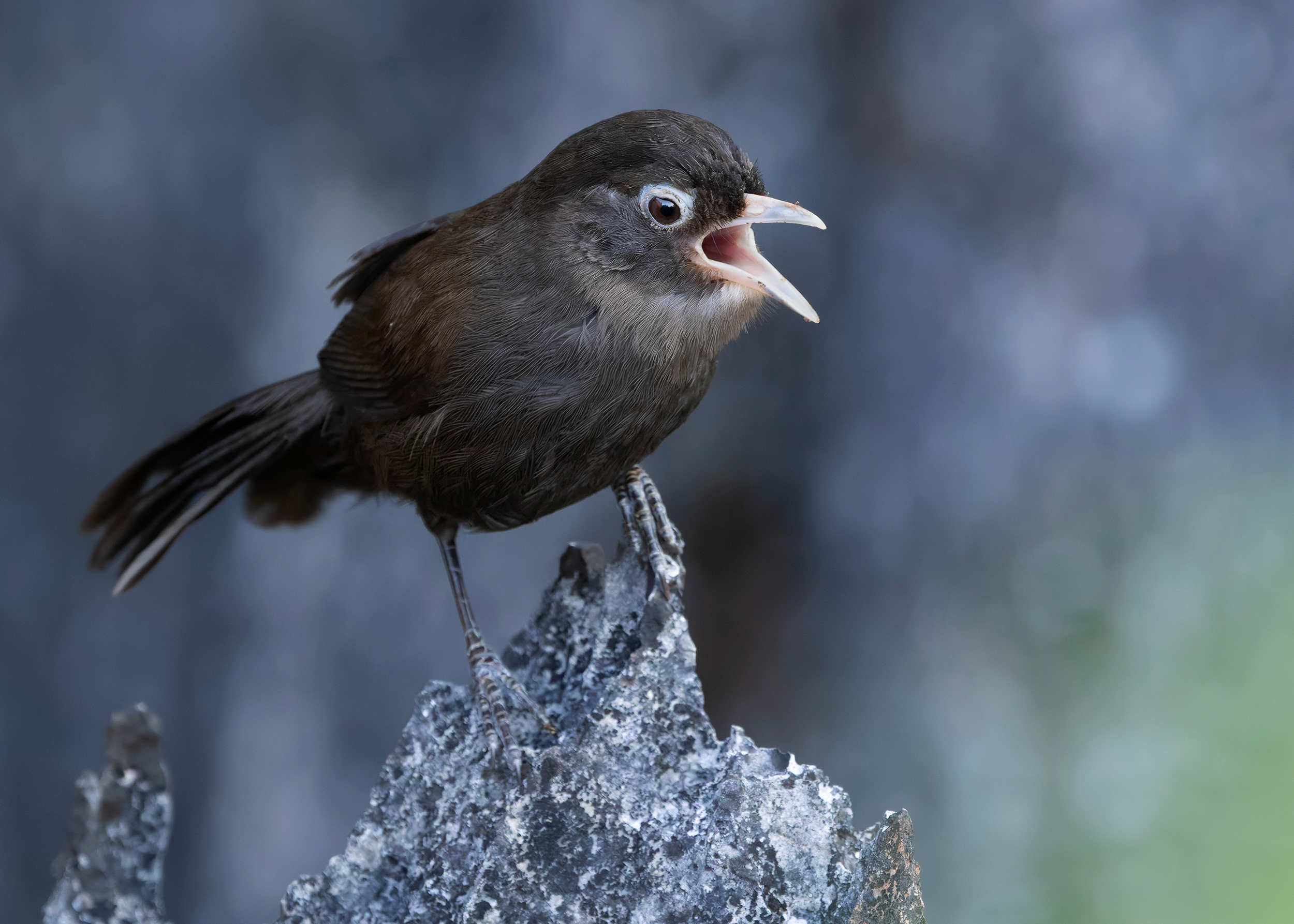
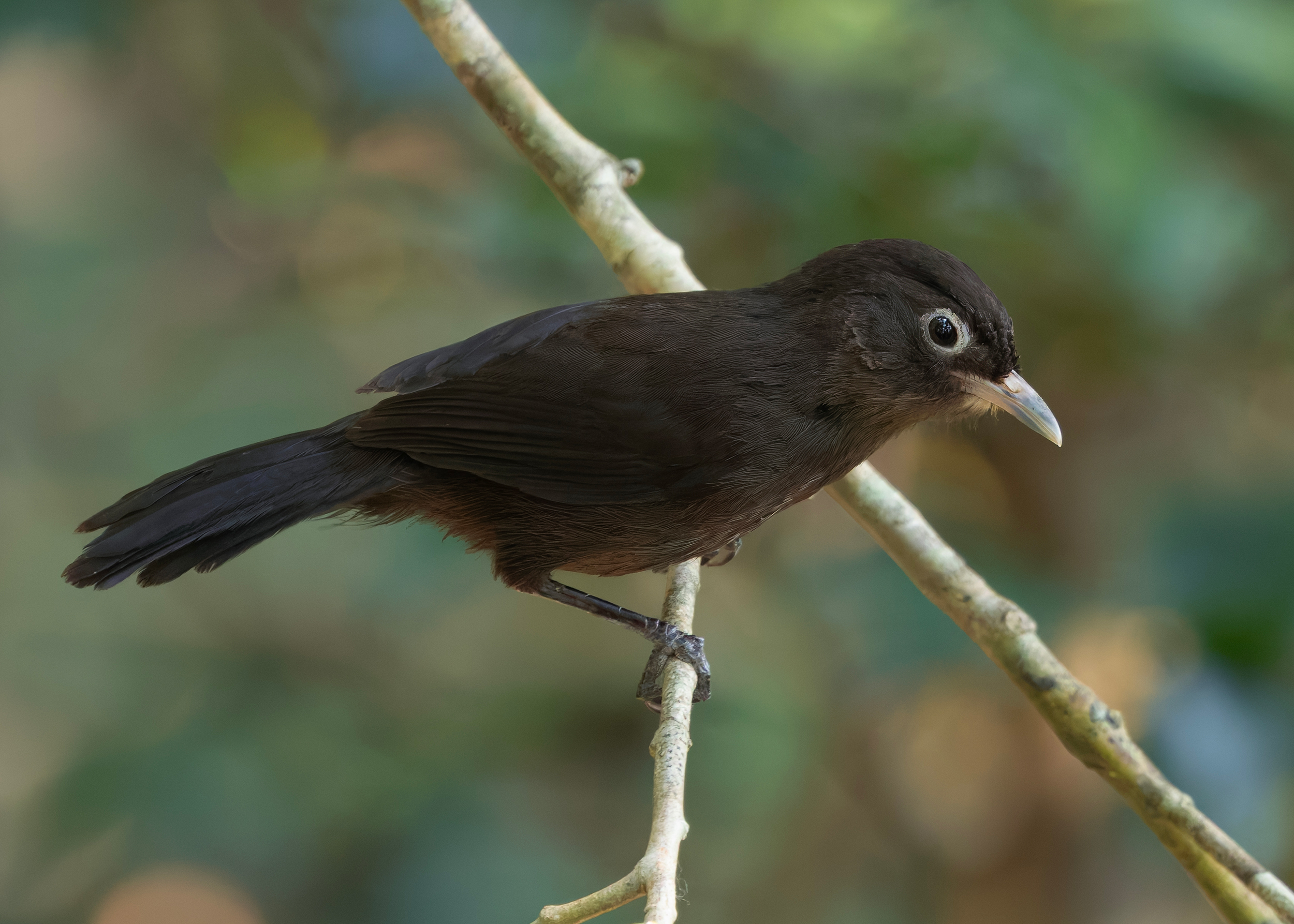
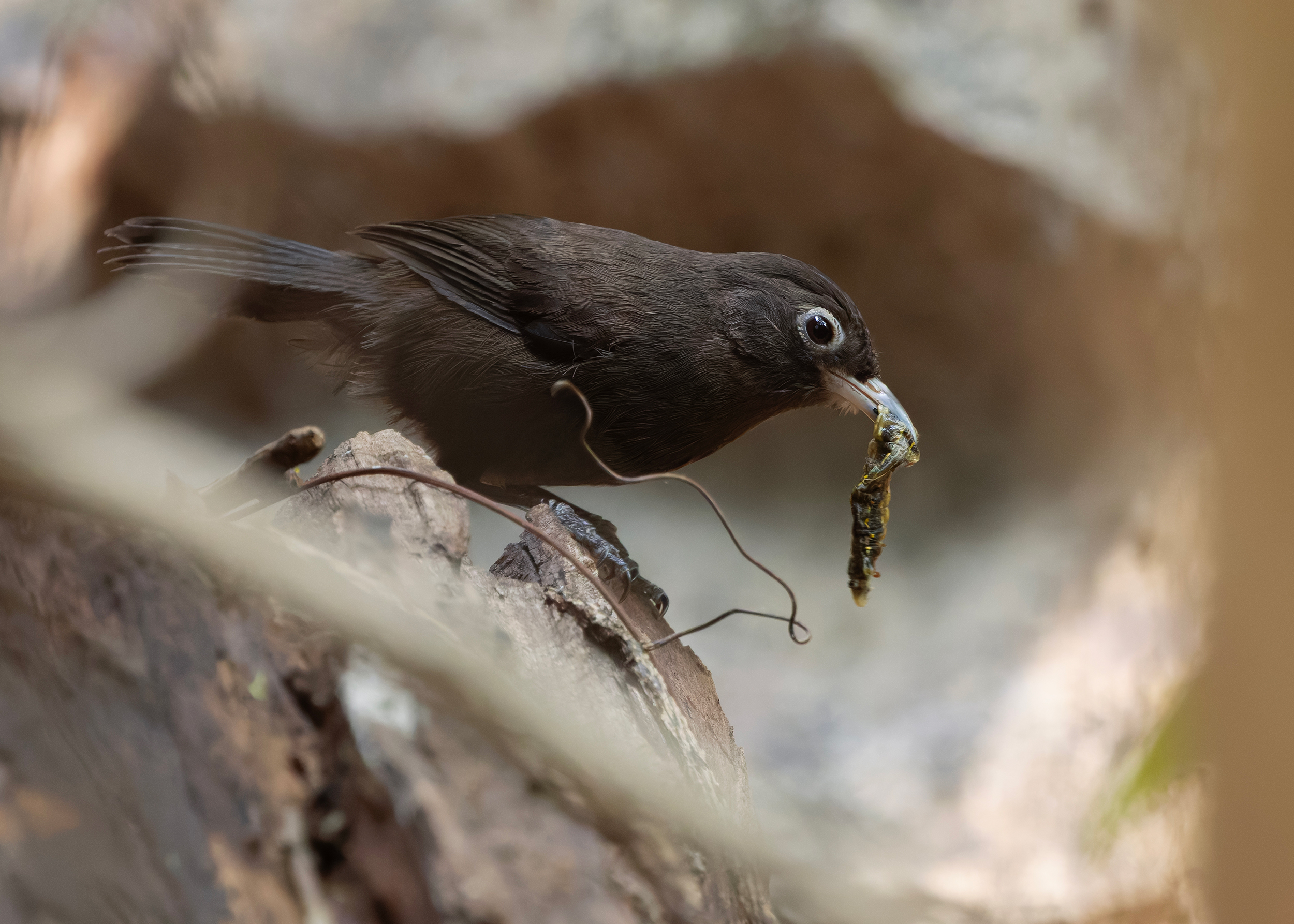
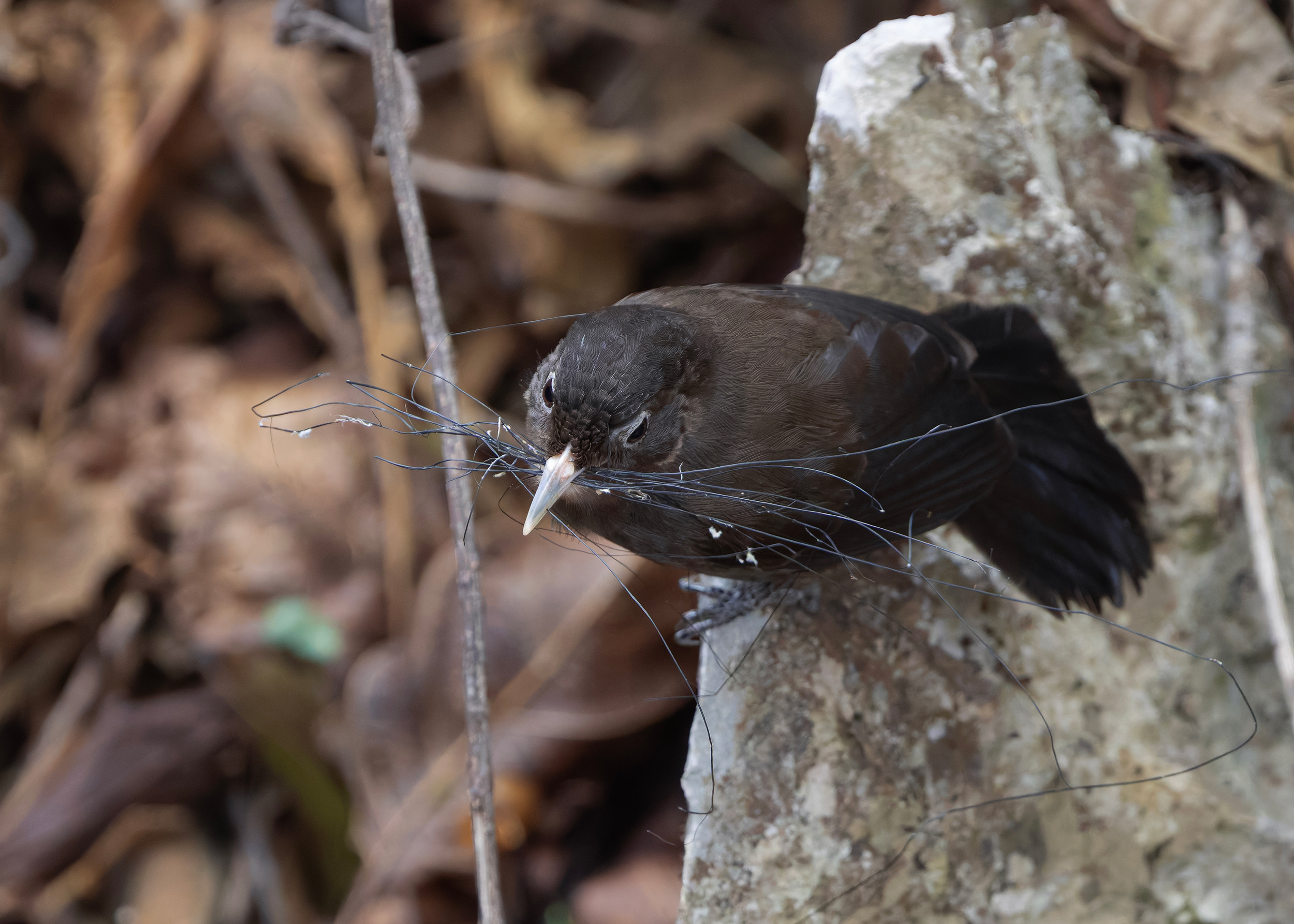
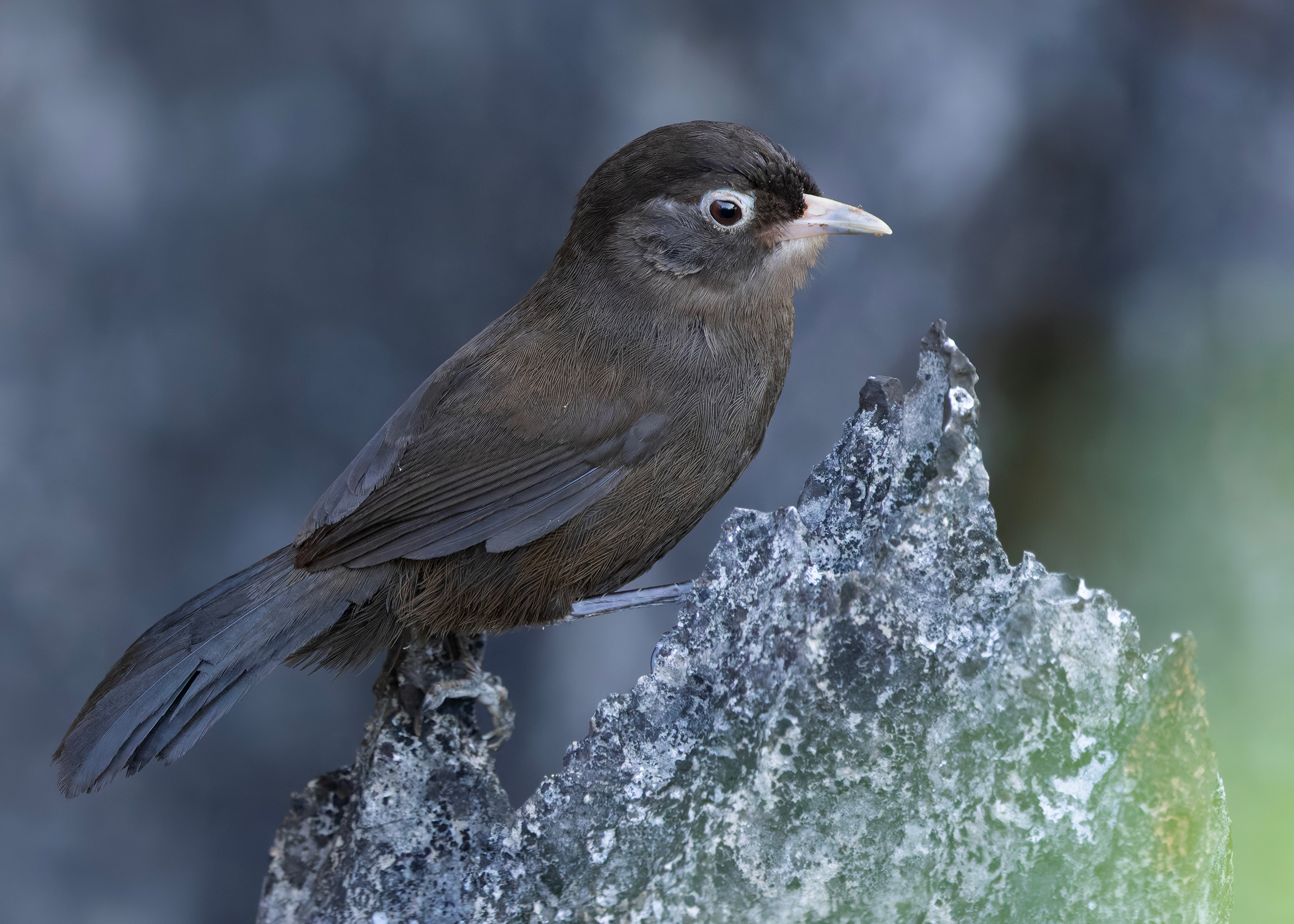
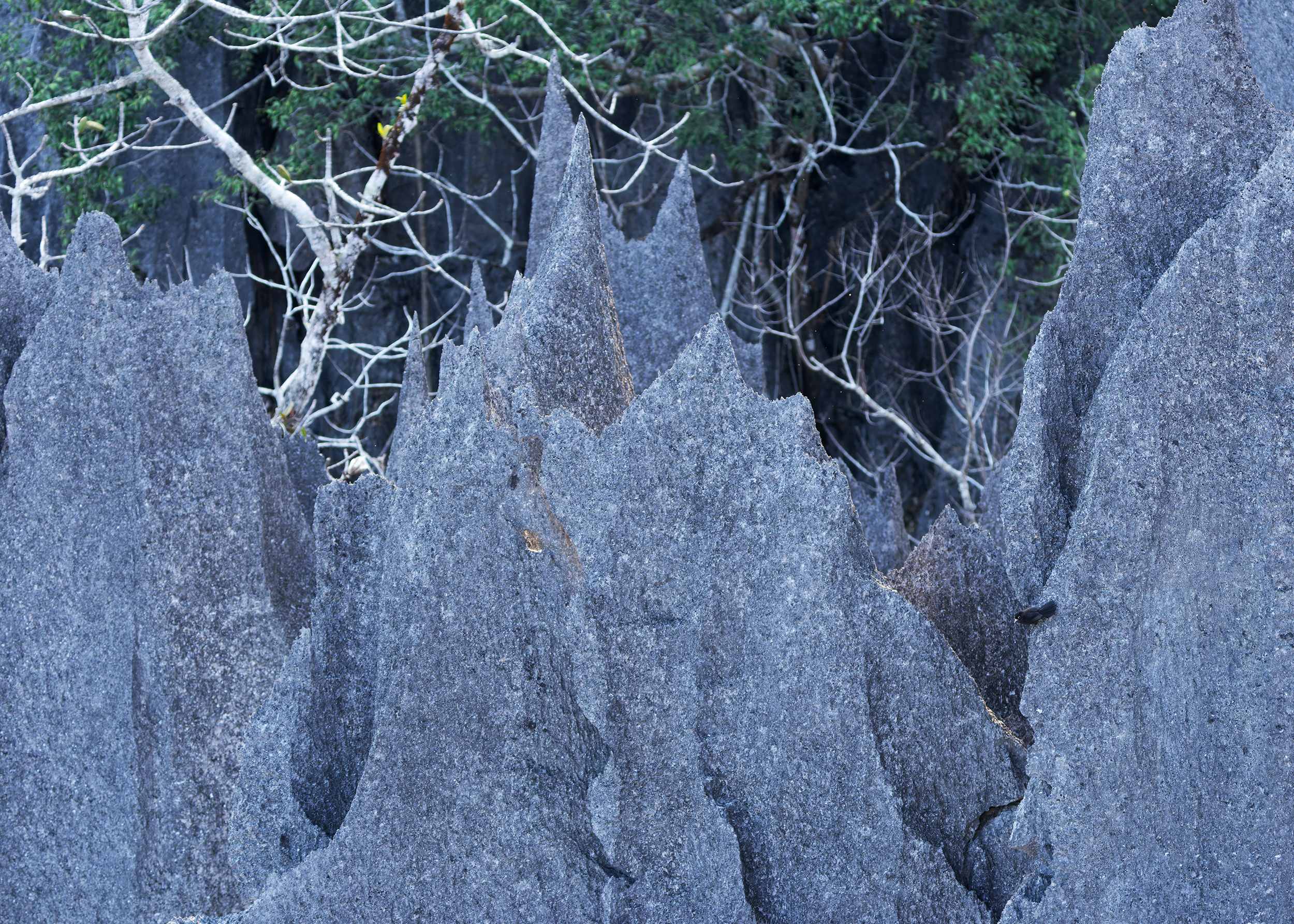
The secondary target of the trip was the Sooty Babbler (Stachyris herberti), another limestone specialist found only along the Indochinese Limestone Belt across central Laos and the adjacent Vietnam. I was happily surprised to see how common they were along the boardwalk trail. Unlike the bulbuls, the babblers preferred shady areas with denser vegetation. They behaved exactly the same way as the “limestone babblers” that we have in Thailand. However, I find the Sooty Babblers to be much less vocal than the limestone babblers, or any babblers in general, which was quite surprising.
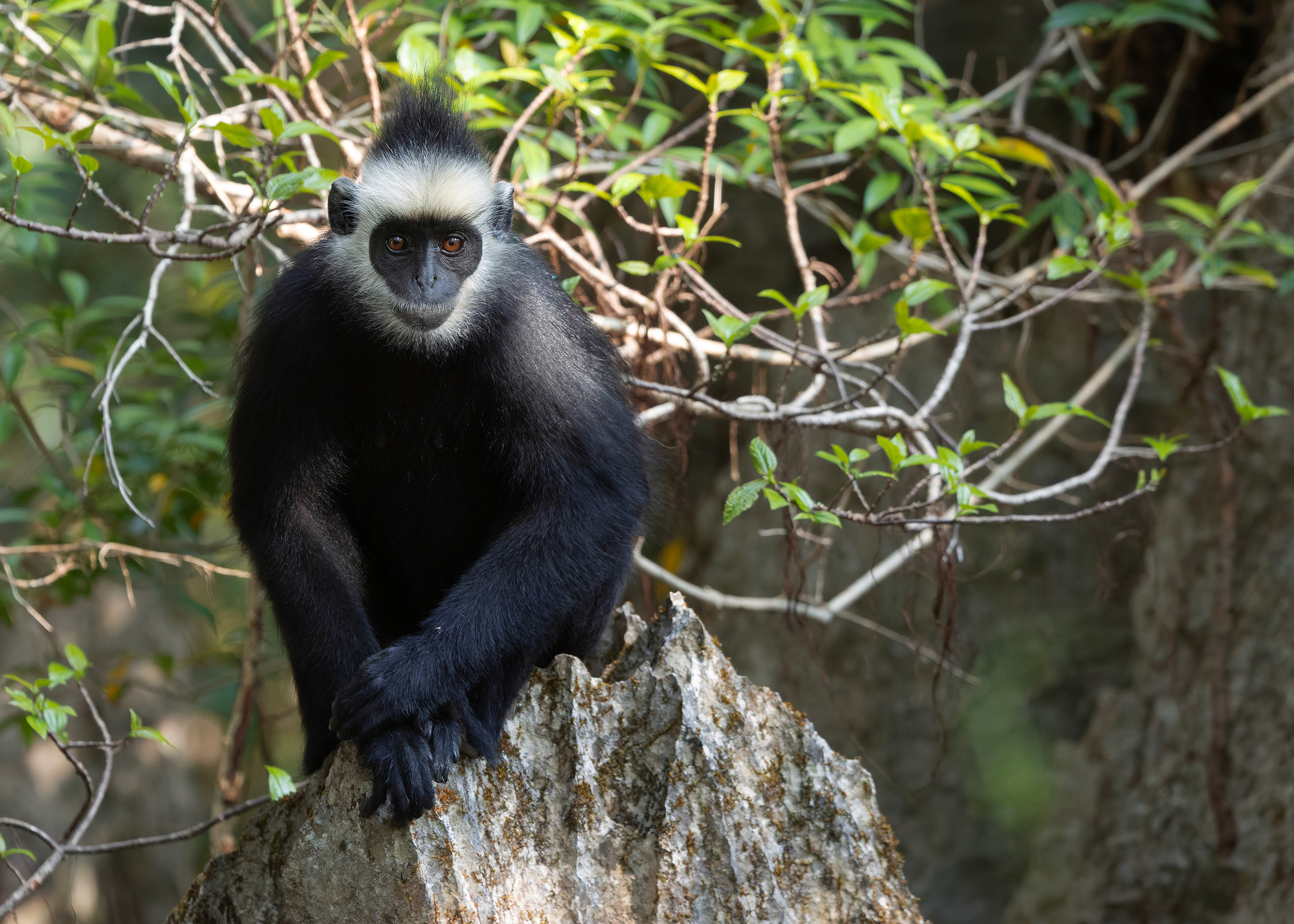
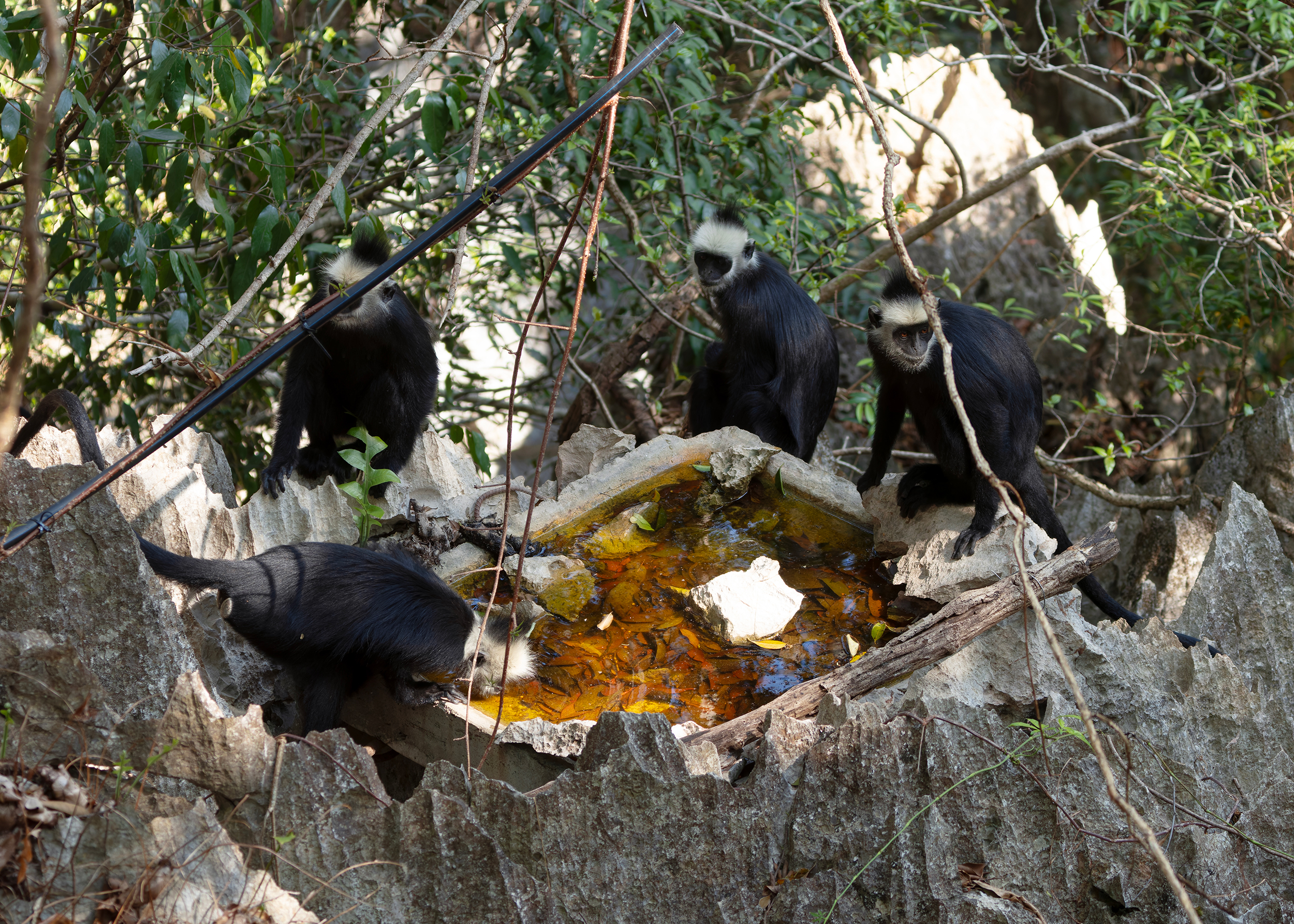
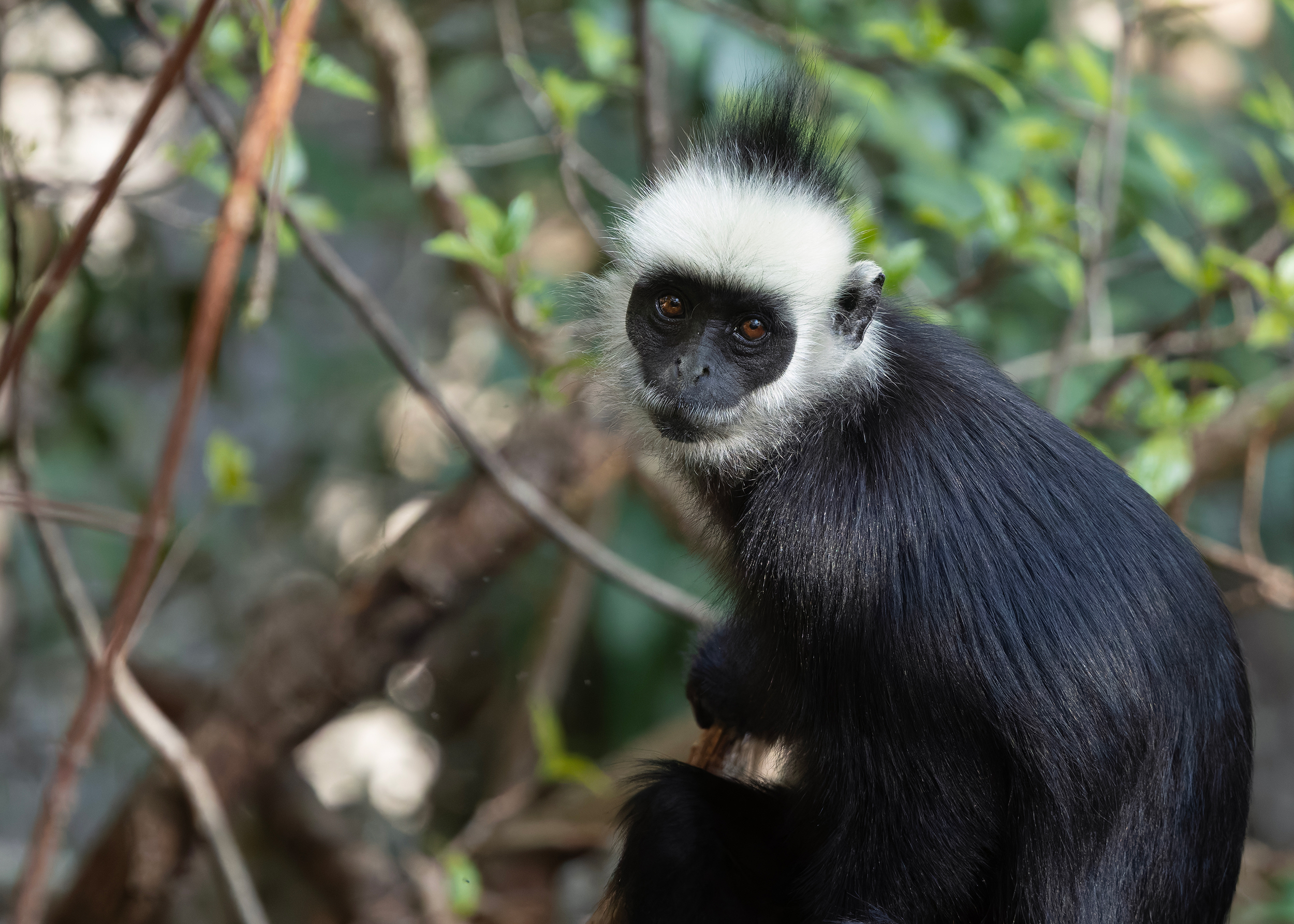
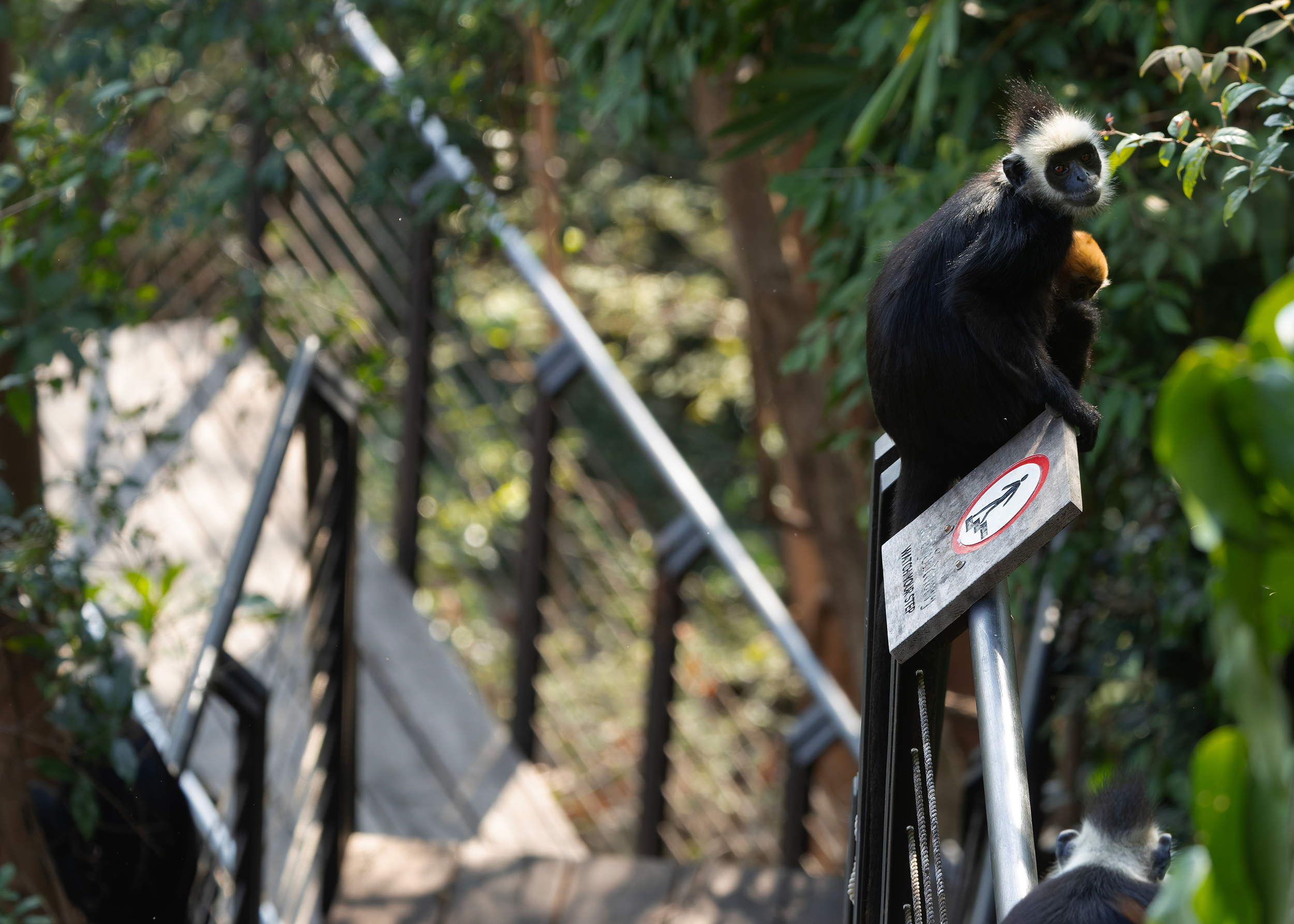
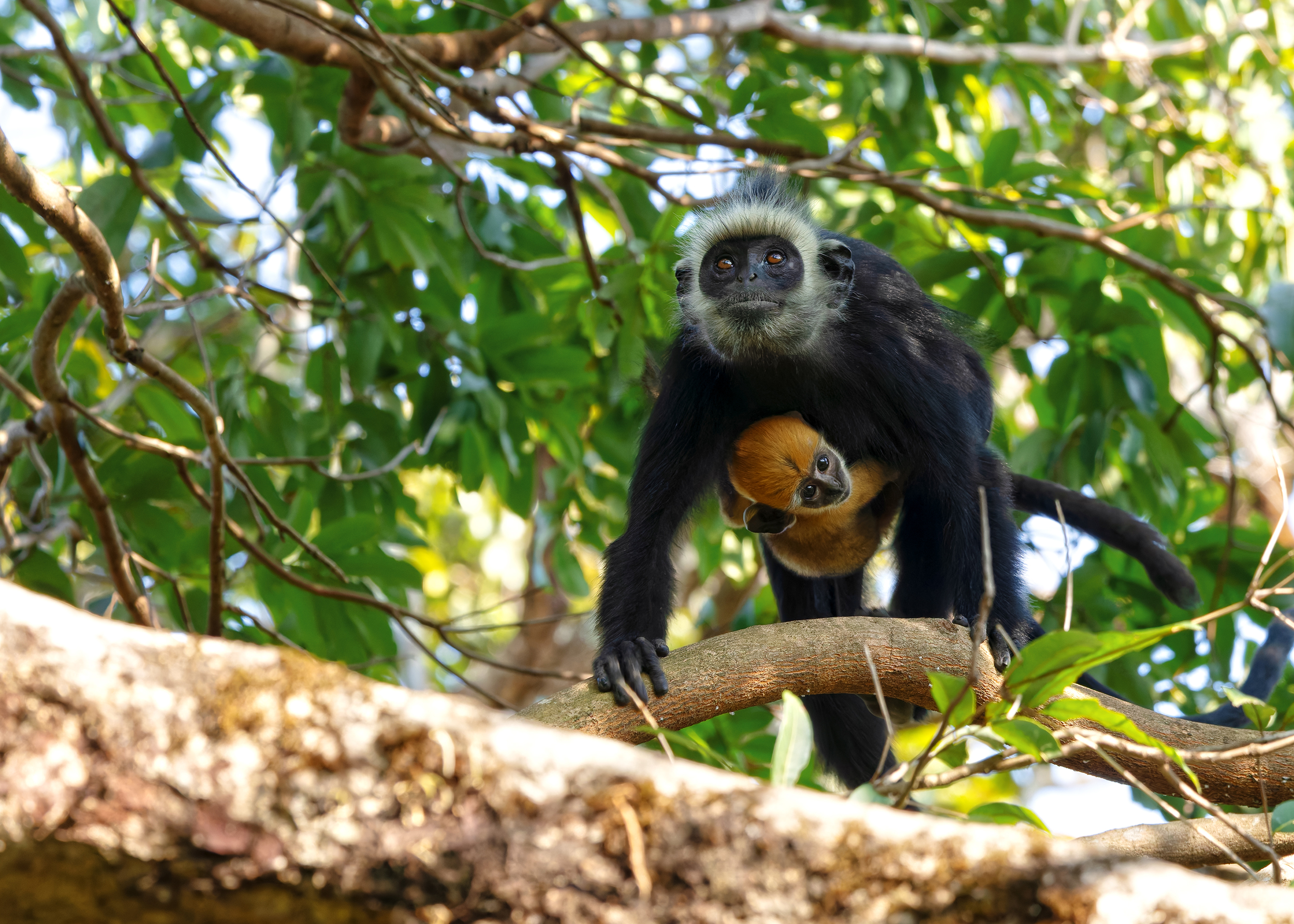
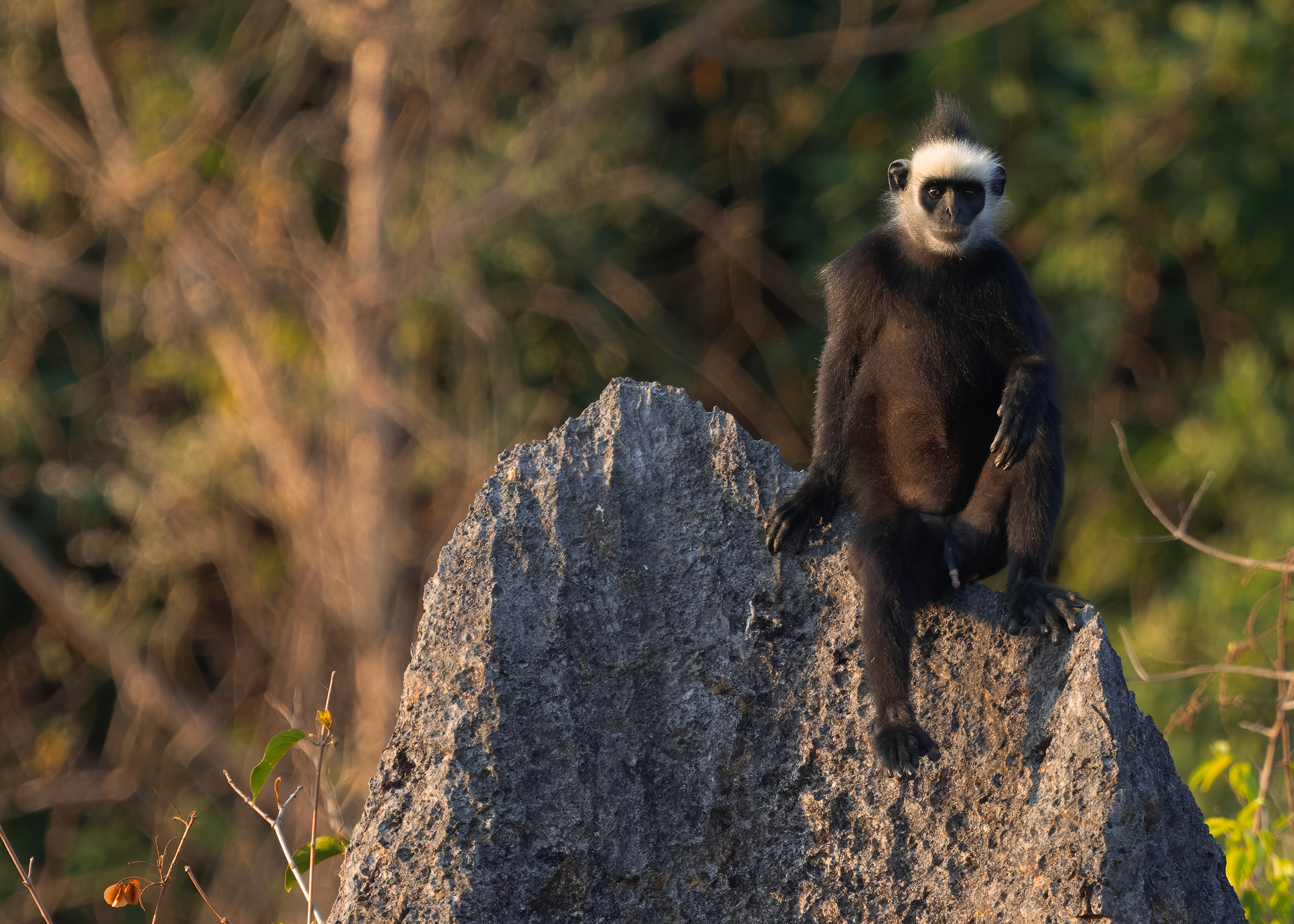
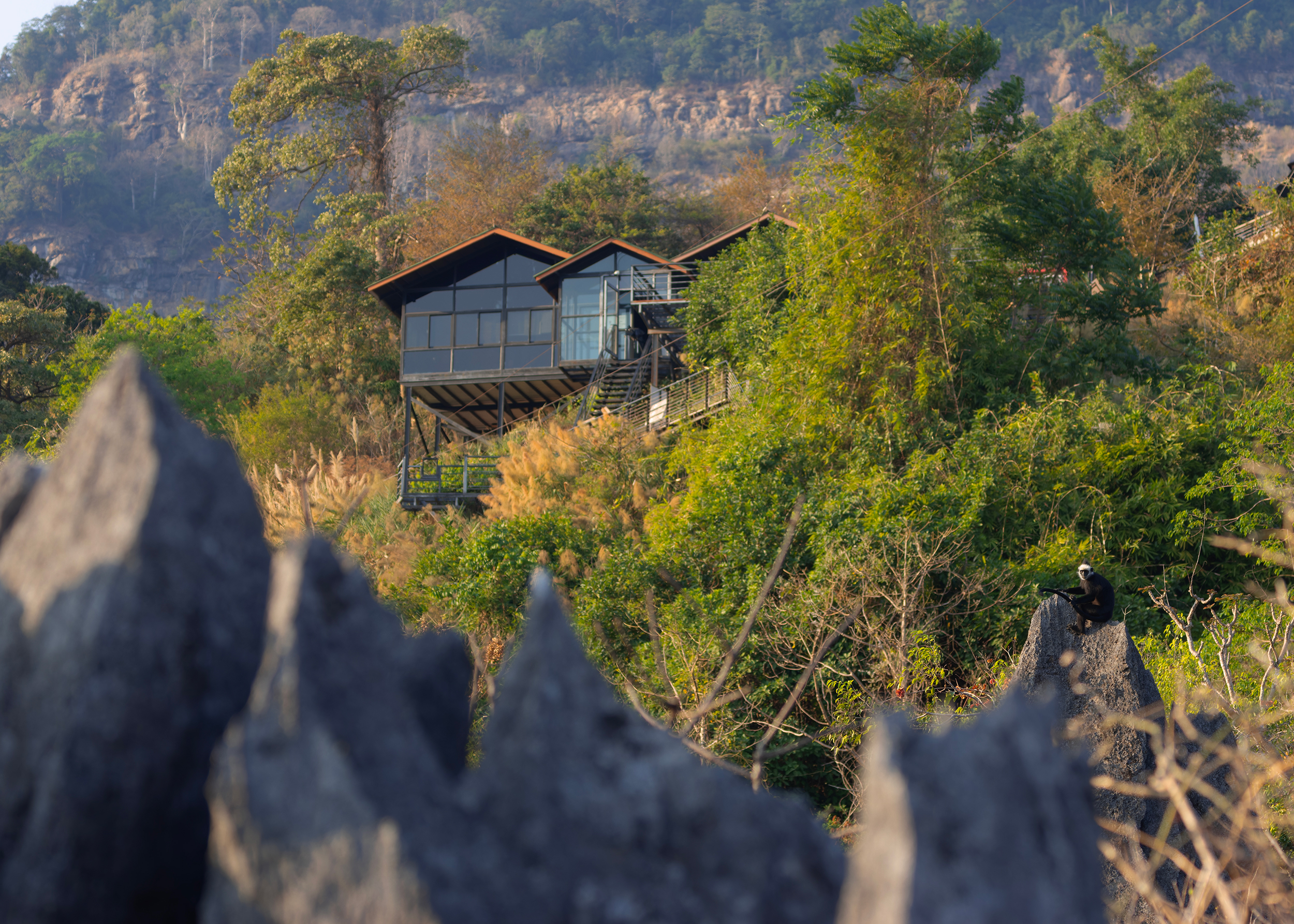
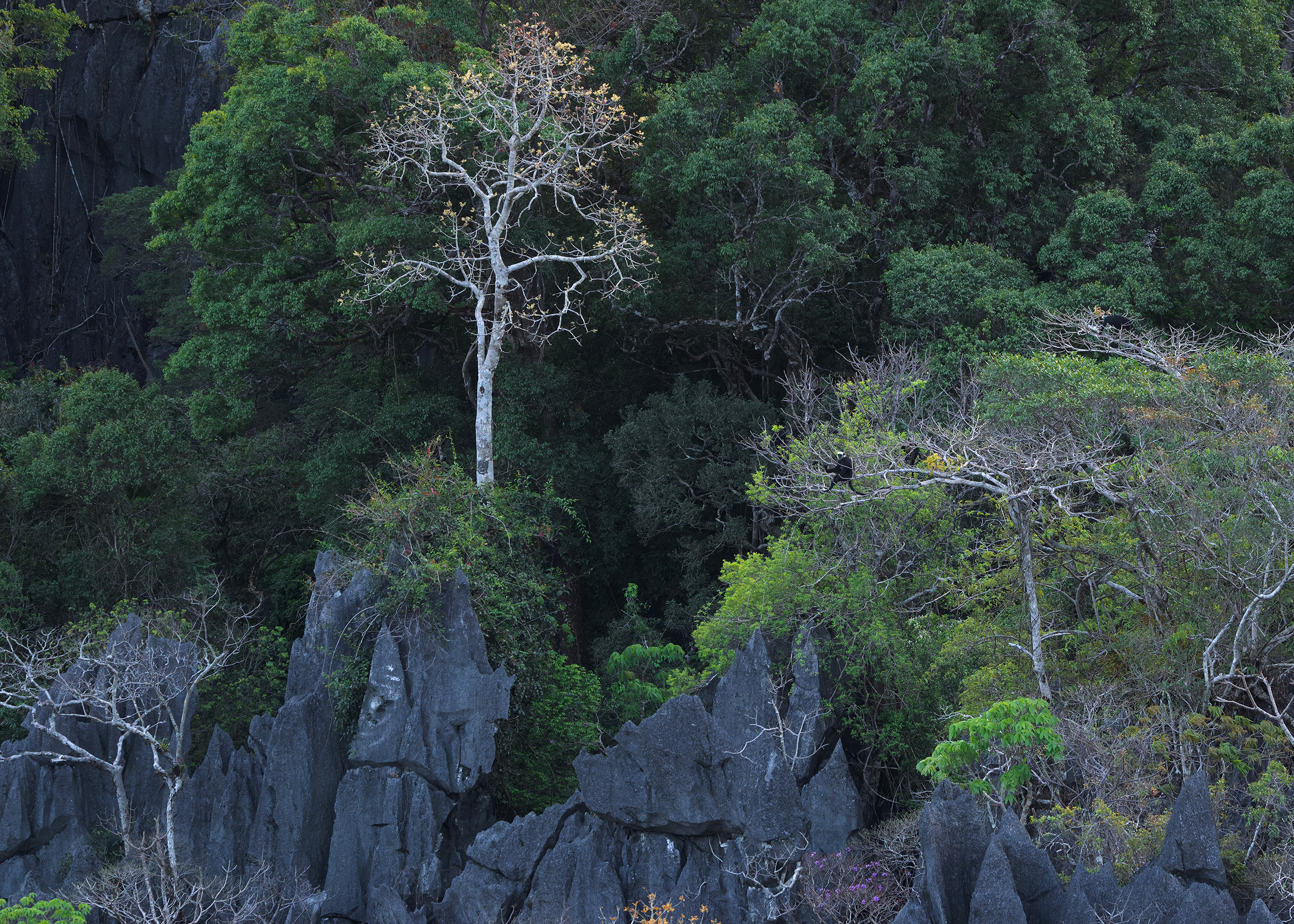
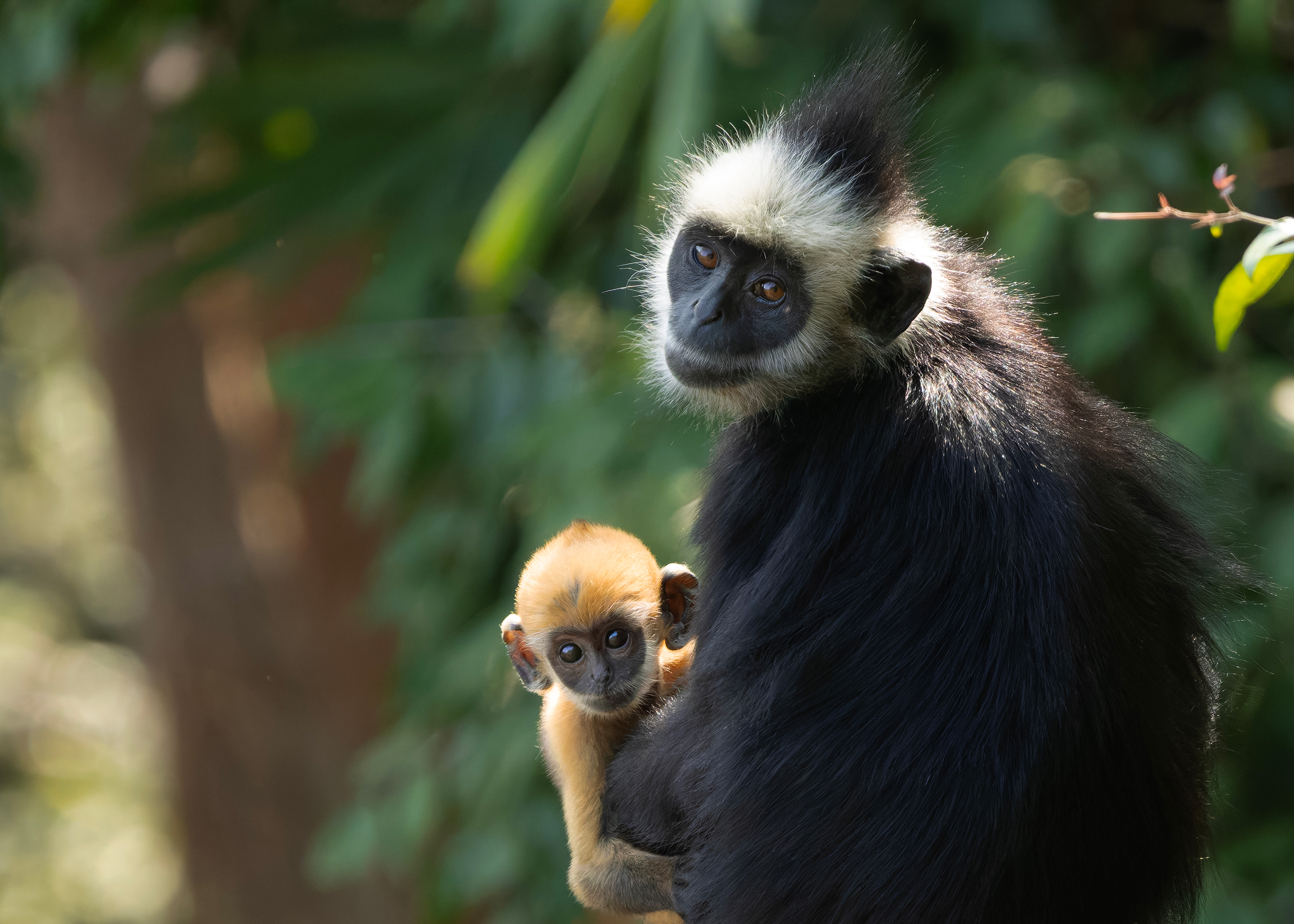
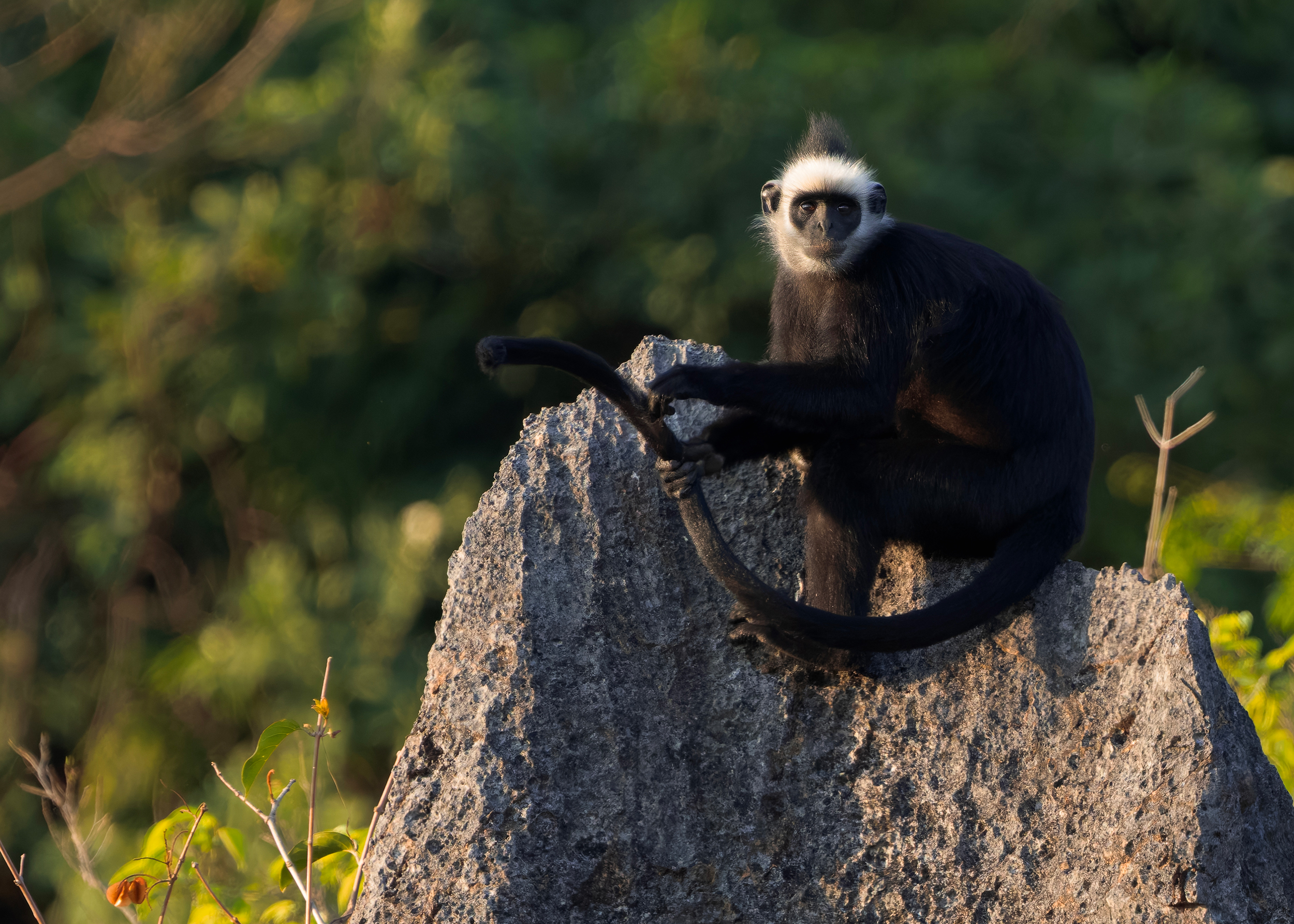
The third target of the trip was not a bird, but a very unique mammal, the Laotian Lutung (Trachypithecus laotum). This smart black-and-white primate is endemic to central Laos where they are also found primarily in limestone habitats. With such a small distribution along with threats from hunting and habitat loss, this species is currently listed as globally Endangered. Compared to the bulbul and babbler, the lutung is a much more challenging target to find. I was very happy to see a group of 7-8 individuals on the very first evening even if they were very far away. Luckily, the group decided to visit waterholes specifically built for them along the boardwalk on the following day. I felt blessed to be able to observe these beautiful and endangered animals at close range. They also appeared to be tame, even intimidating at times, reflecting how little hunting this area has gone through, which is really rich for Laos. However, I saw absolutely zero lutung on the third day which reminded me of how actually difficult they are. According to the staff at The Rock Viewpoint, these lutungs are easier to see in winter when the temperature is cooler. They are much less frequently seen in summer and wet season.
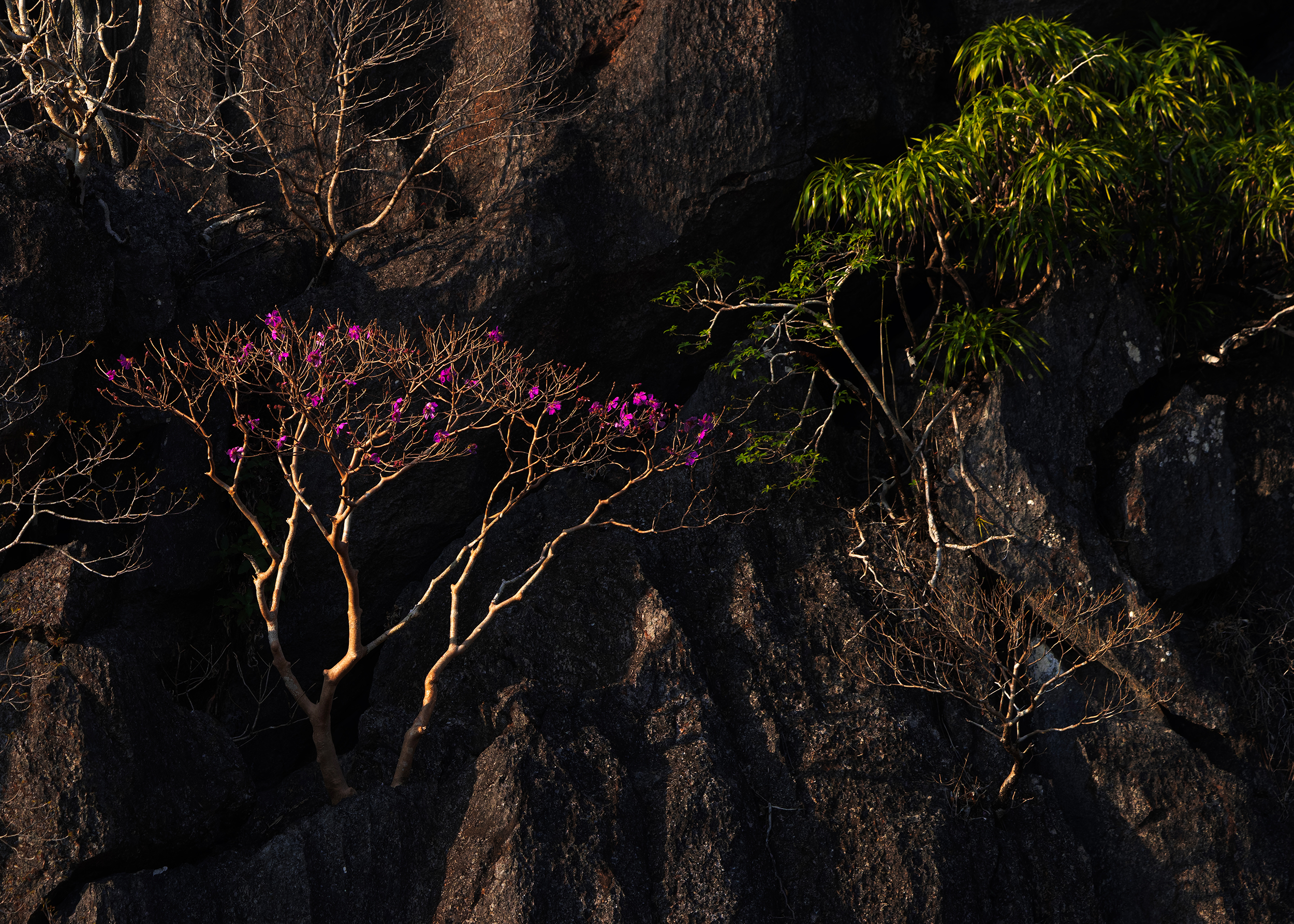
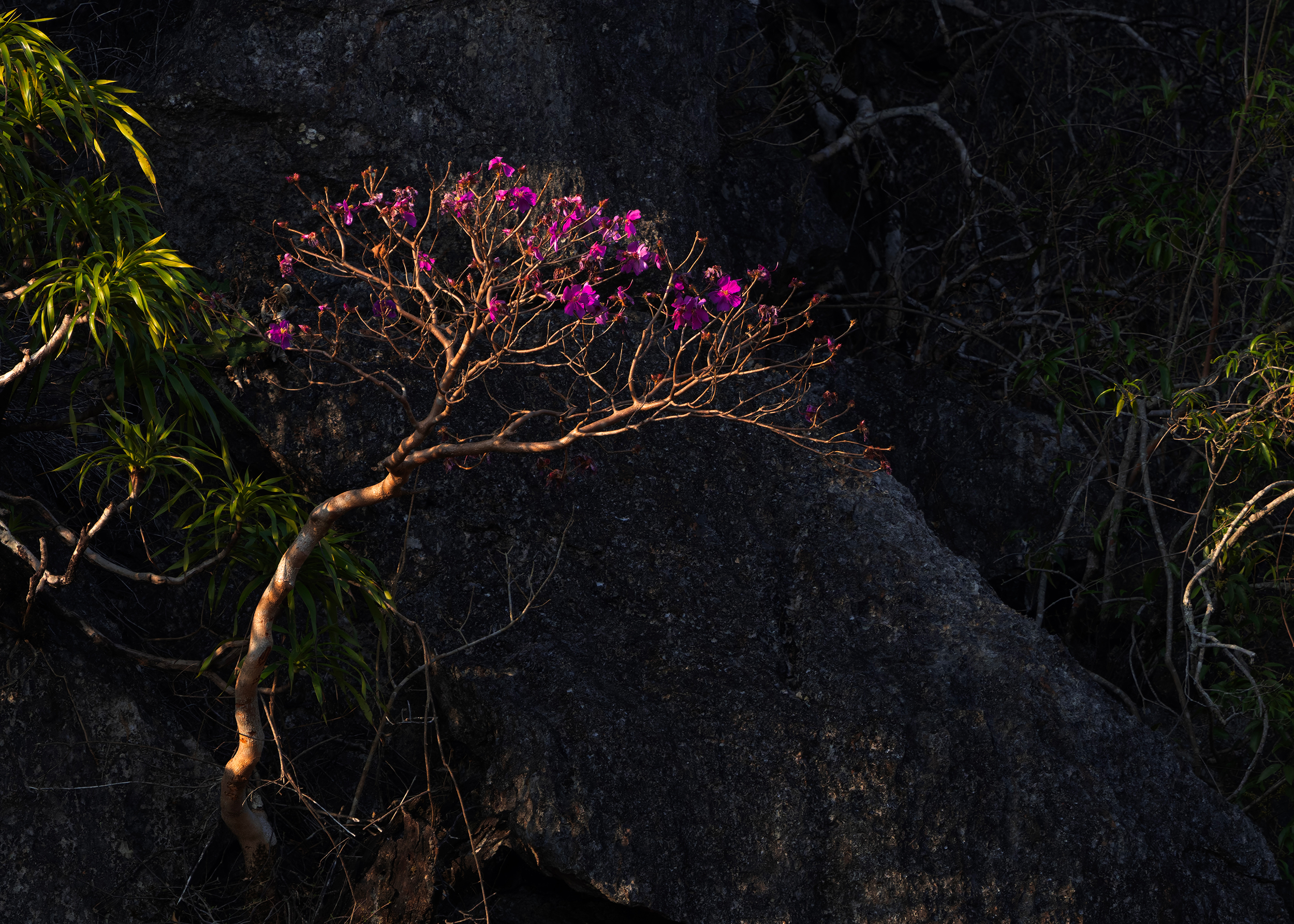
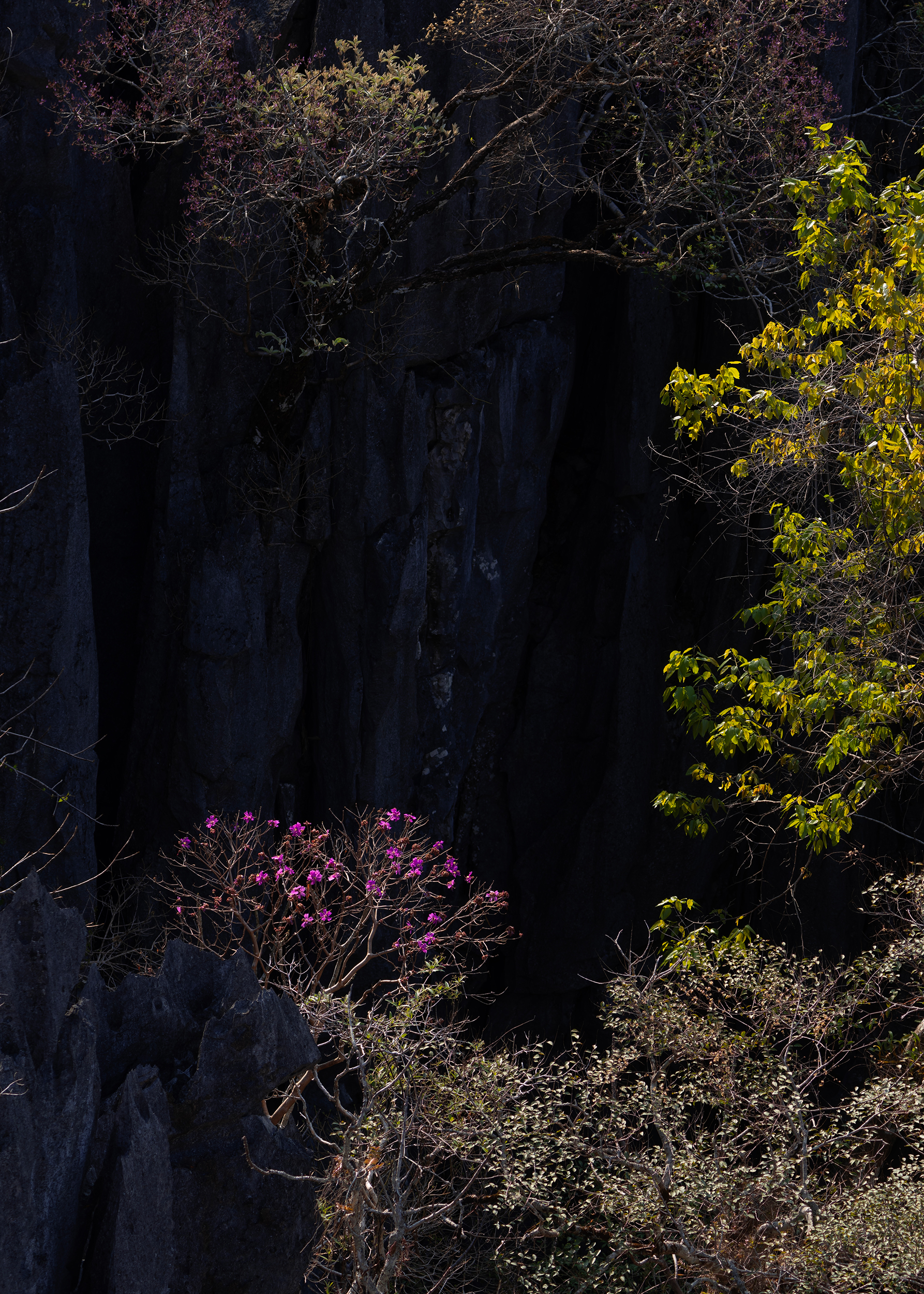
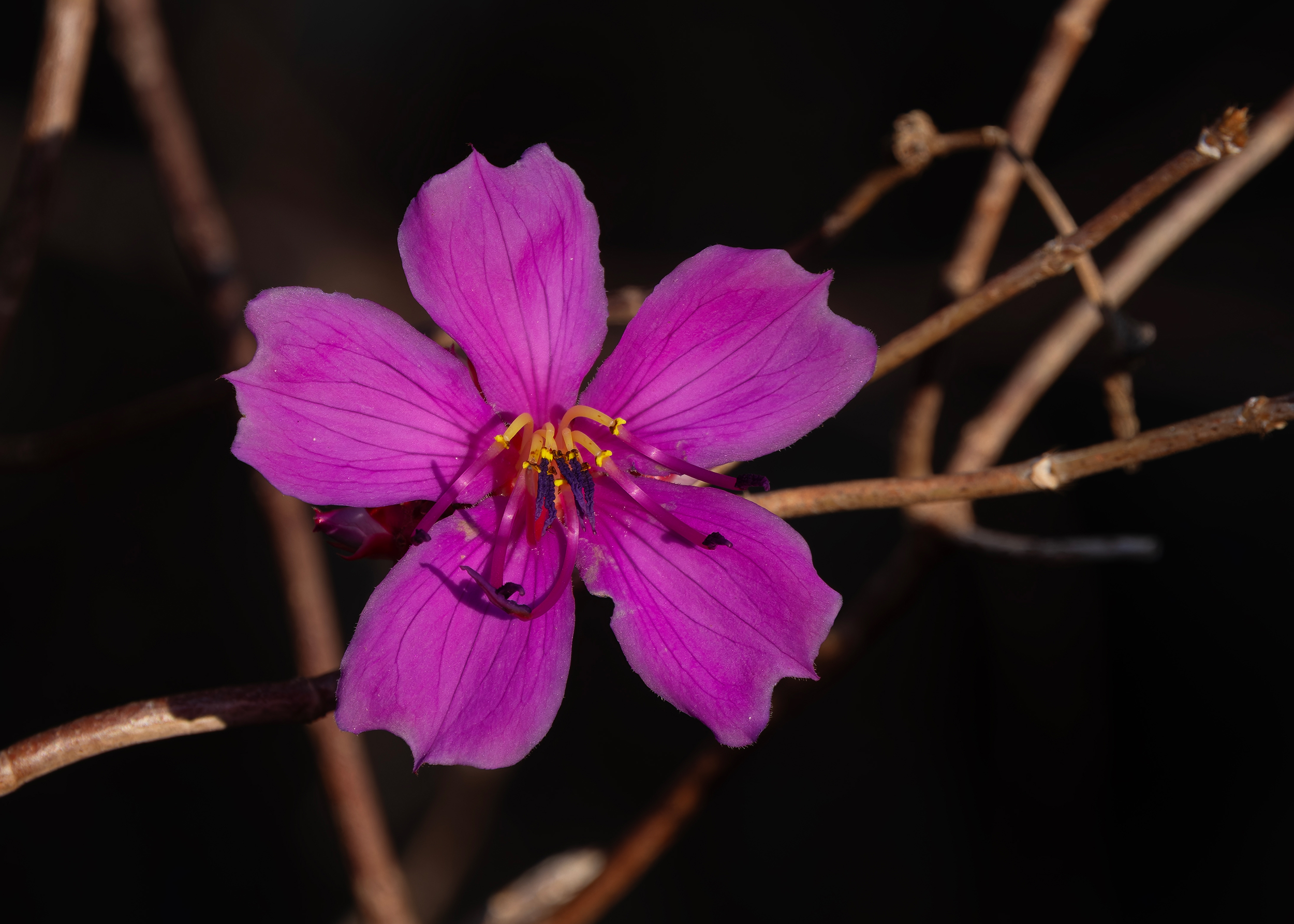
My first visit to Laos proved to be a very pleasant, successful and relaxing trip. I recorded 68 species in 3 days. You can see my eBird checklists and photos in this trip report https://ebird.org/tripreport/486622. Anther notable sighting of the trip was the flowering Melastoma souladethianum, a species in the family Melastomataceae that was only described in January 2026! The type locality is also exactly at Phou Pha Marn limestone karst where The Rock Viewpoint is located. So far, this is the only known area where this species occurs. Unlike other Melastoma species, this taxon sheds the leaves in dry season while flowering. The flowers bloom from March to April, but the leaves only come out in May when it begins to rain, then fall again in January when it’s dry. I find it to be such a unique adaptation to the survival on open limestone karsts unlike any Melastoma species that typically flower while still in leaf. The species was named in honour of Dr. Phetlasy Souladeth, curator of the FOF herbarium of the National University of Laos. There are still lots to be seen in this area, and I look forward to returning again in the wet season to see more flowering plants, and hopefully some more reptiles.


A good read
Such a great trip.