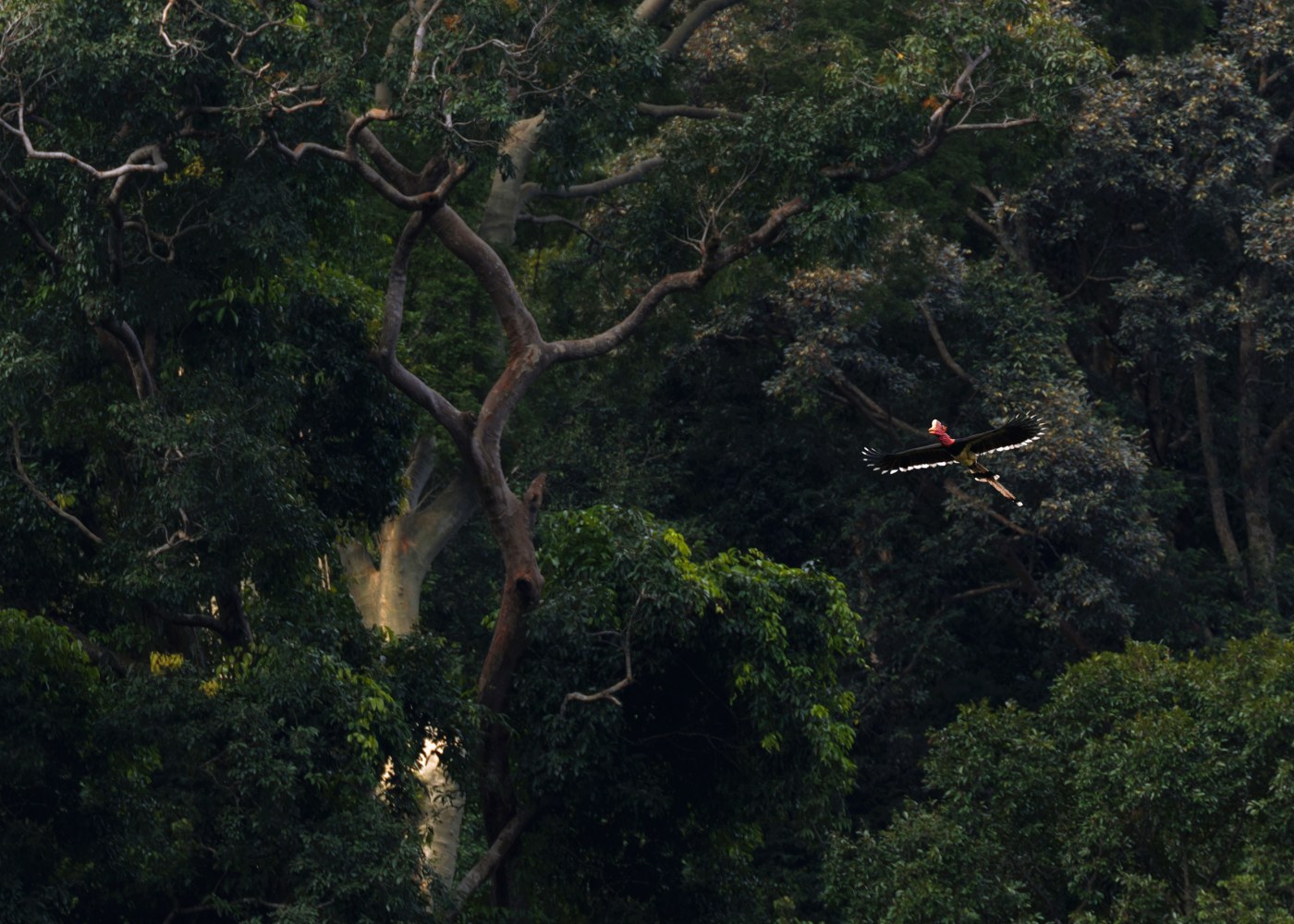
It’s been a while since my last blog post. I think it’s about time to keep this site relevant! In August, I had a long and surprisingly fruitful trip to the south. We travelled by car so we could make several stops along the way but our destination was Hala-Bala Wildlife Sanctuary in Narathiwat, the southernmost tip of the country. This post will summarize what I found over the course of our week-long stay in Narathiwat.


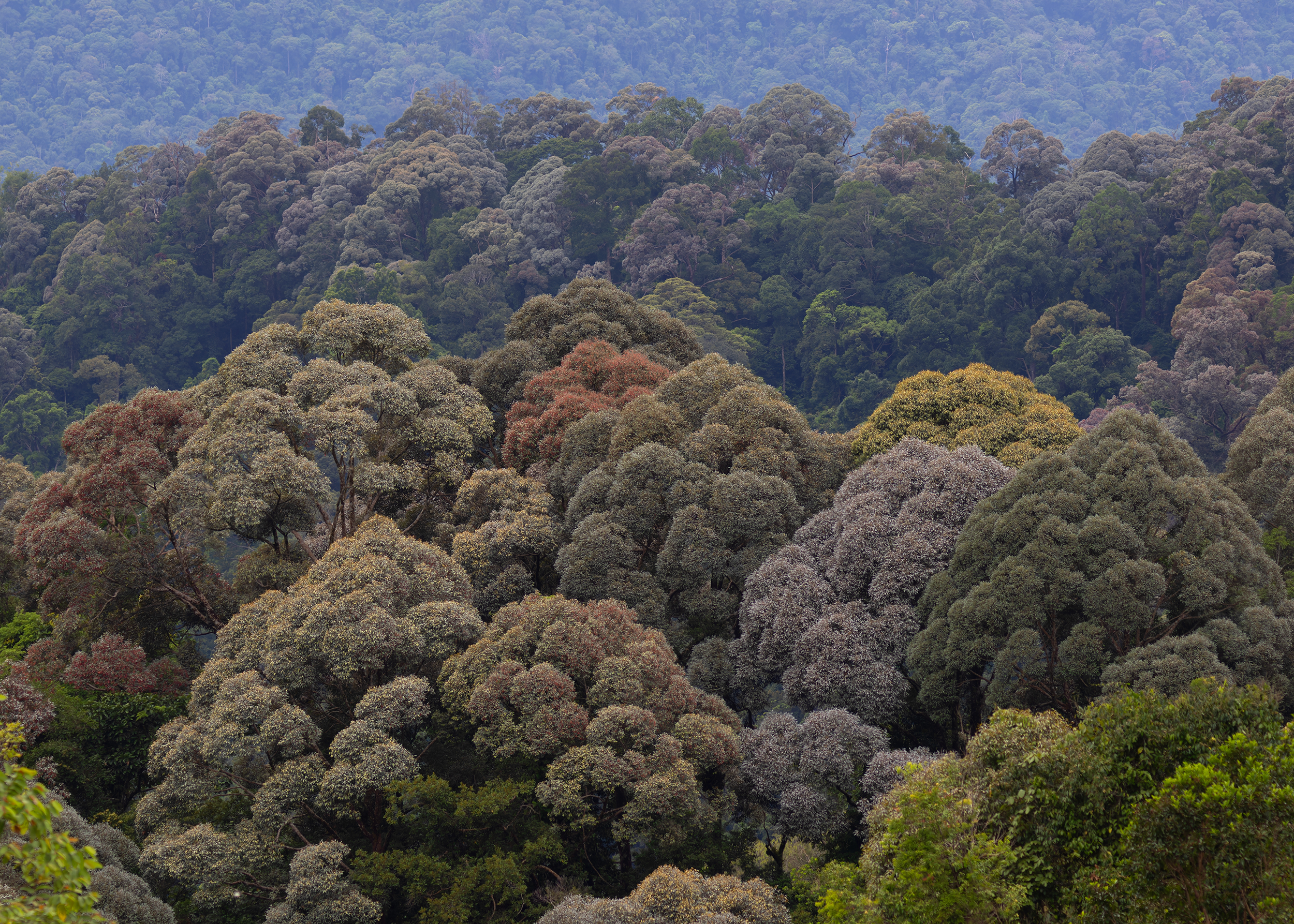
Hala-Bala Wildlife Sanctuary is a well known biodiversity hotspot that is regularly visited by birders and naturalists. I have visited this forest plenty of times before but only once in August. Most birders, myself included, typically visit Hala-Bala in summer (between April – June) as it is the season when most resident birds are more active. Knowing that the breeding season was already over for most birds and they might not be active, I decided that this trip would be more of a leisure trip rather than seriously going out for birds.


As expected, bird activities were markedly less than during the summer. There were not as many birds calling/singing and the morning usually started off rather slow. Despite all that, I still thoroughly enjoyed observing anything that I could find. Long, quiet walks along the road and forest trails still offered some remarkable species.

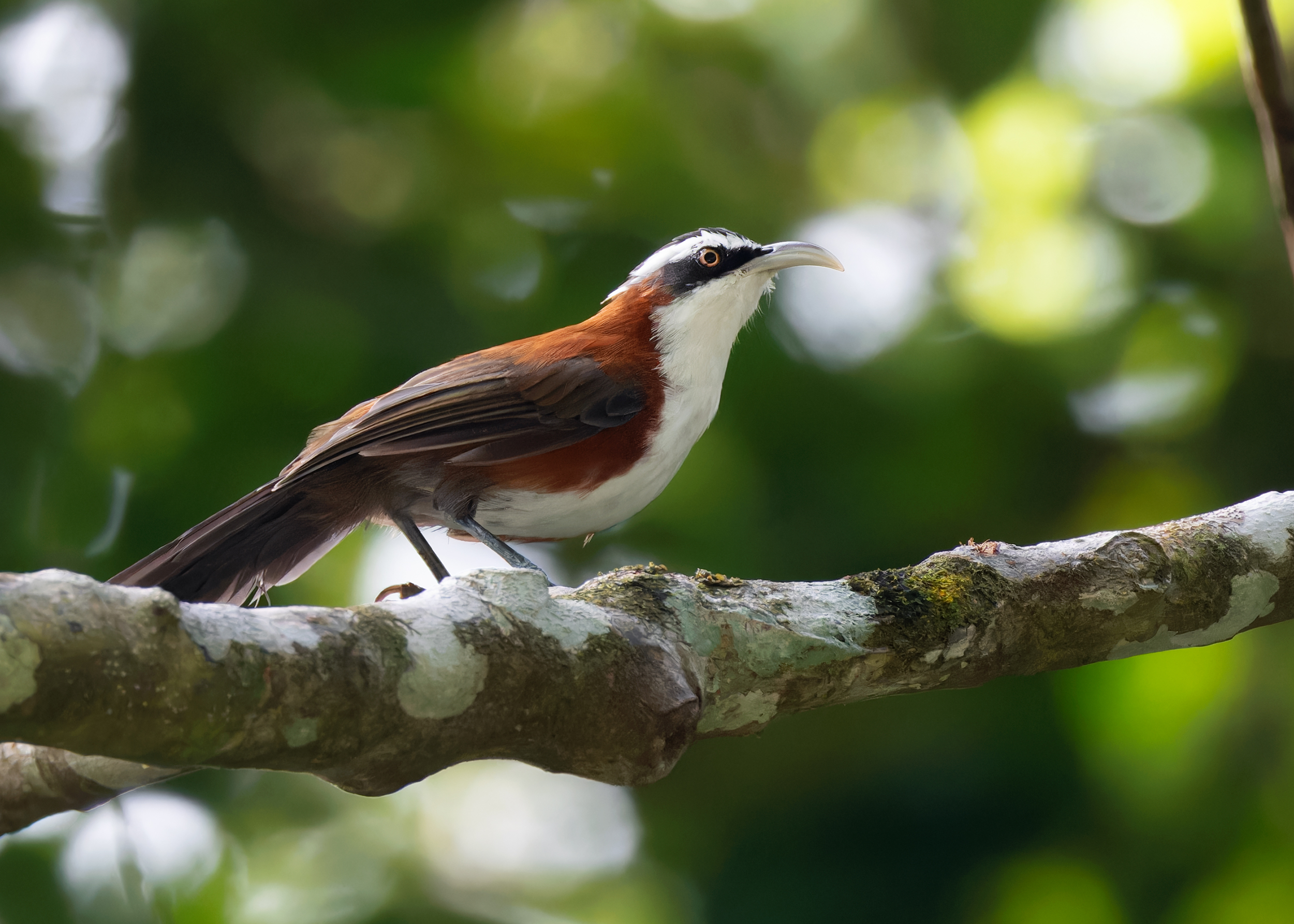
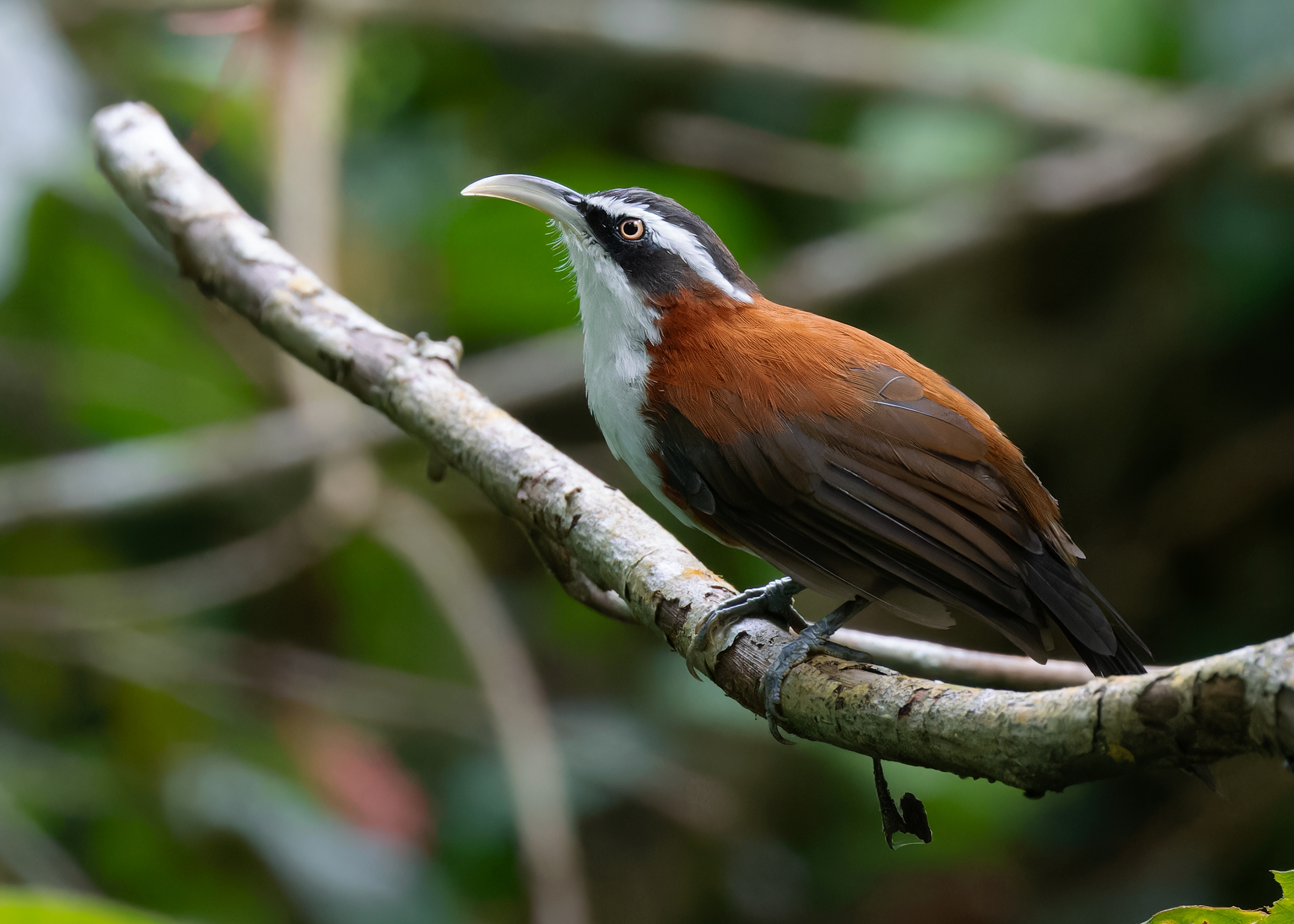
We also had incredible views of a pair of Sunda Scimitar-Babblers that showed up while we were sitting at the view point waiting for hornbills. This species is one of those birds that are more frequently heard than seen, so I was happy to connect with these surprisingly showy individuals.
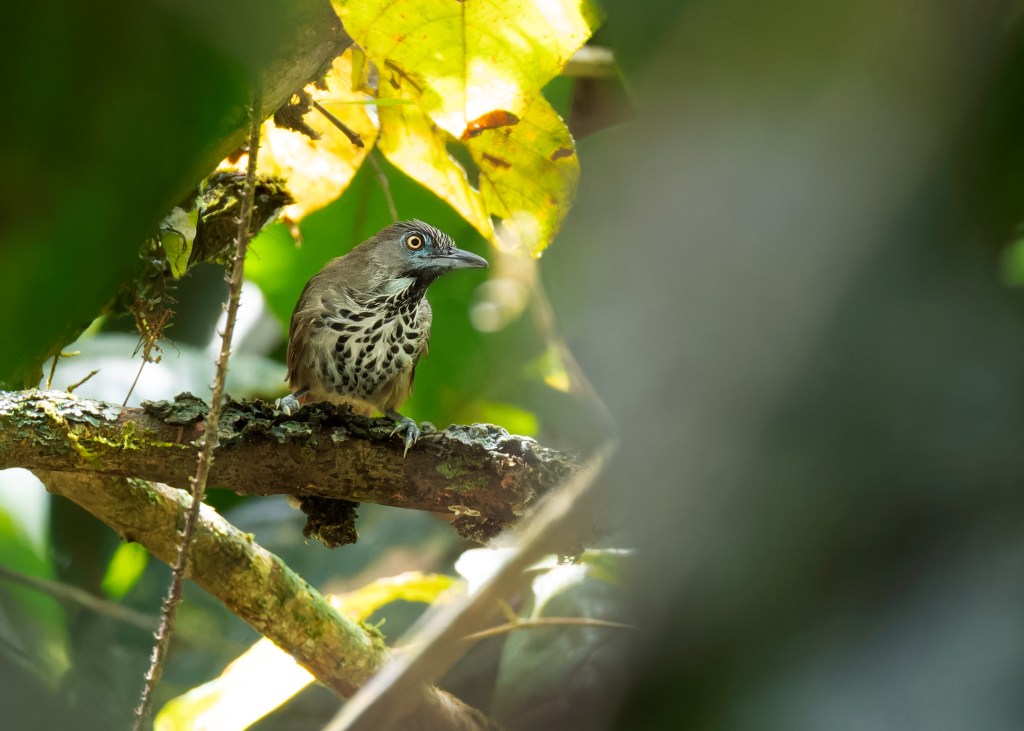
Chestnut-rumped Babbler is another scarce babbler that we found during the trip. There was a pair that was calling quite frequently in the trail that we walked. Despite the large size, they were extremely fast and skittish. This was the best I could manage to photograph.
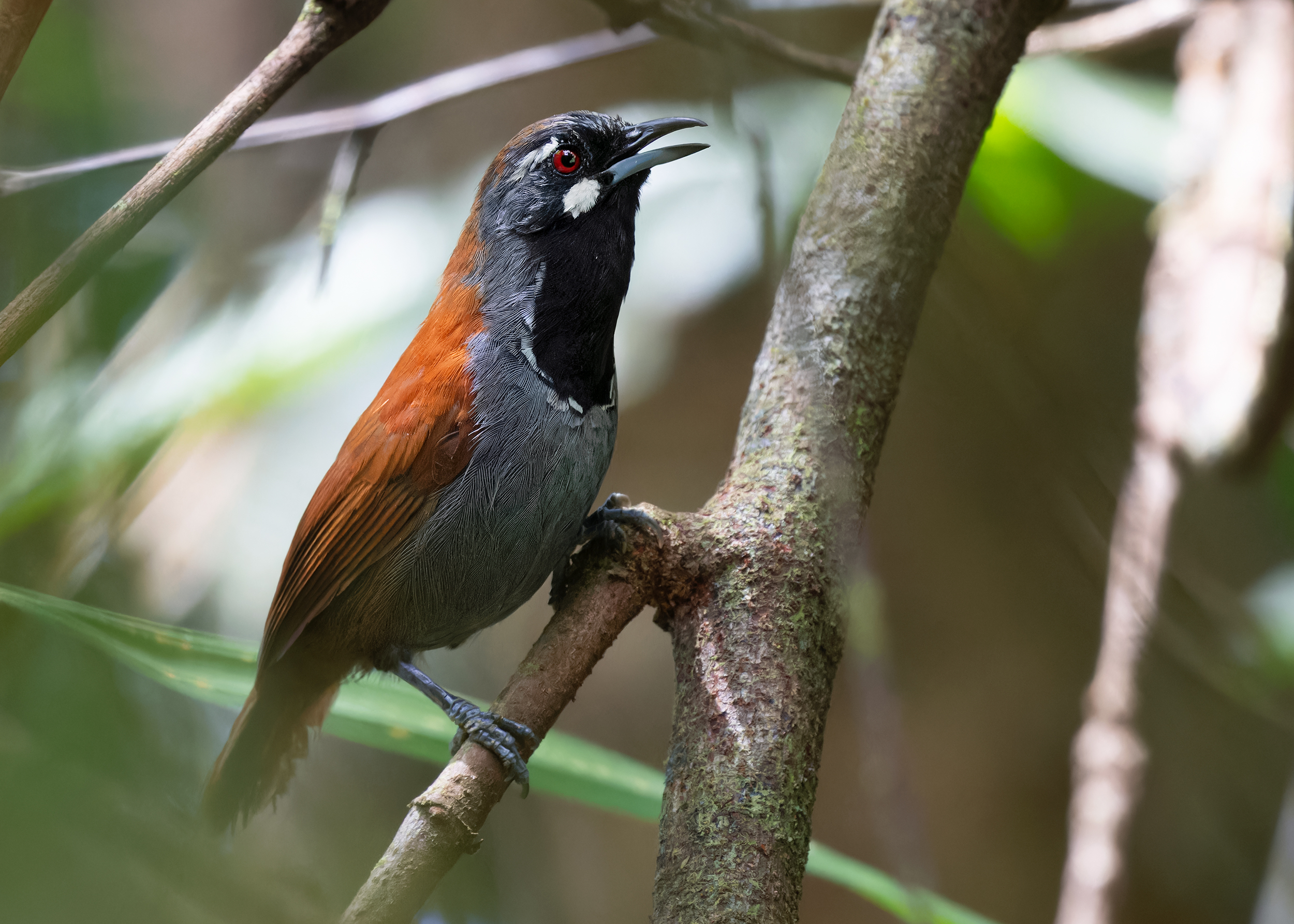


Surprisingly, it turned out to be a pretty good trip for babblers despite them not calling very much. Here’s a selection of some of the species that I could photograph quite nicely.

Believe it or not, this drab little bird was definitely one of the best birds of the trip. I came across it while birding along the road just beyond the first bridge after entering the sanctuary. As soon as I saw that it was a Muscicapa flycatcher, I immediately hoped that it would be the Umber Flycatcher, a rare and little known species that was only discovered in Thailand in 2020. After quickly checking the photos, it could be confirmed as an Umber Flycatcher by the relatively long tail and significantly short primary projections. The bird appeared to be in a really nice fresh plumage suggesting that it has a similar moult strategy to the more widely distributed Brown-streaked Flycatcher. You can read more about my previous observation of a family of Umber Flycatchers here.


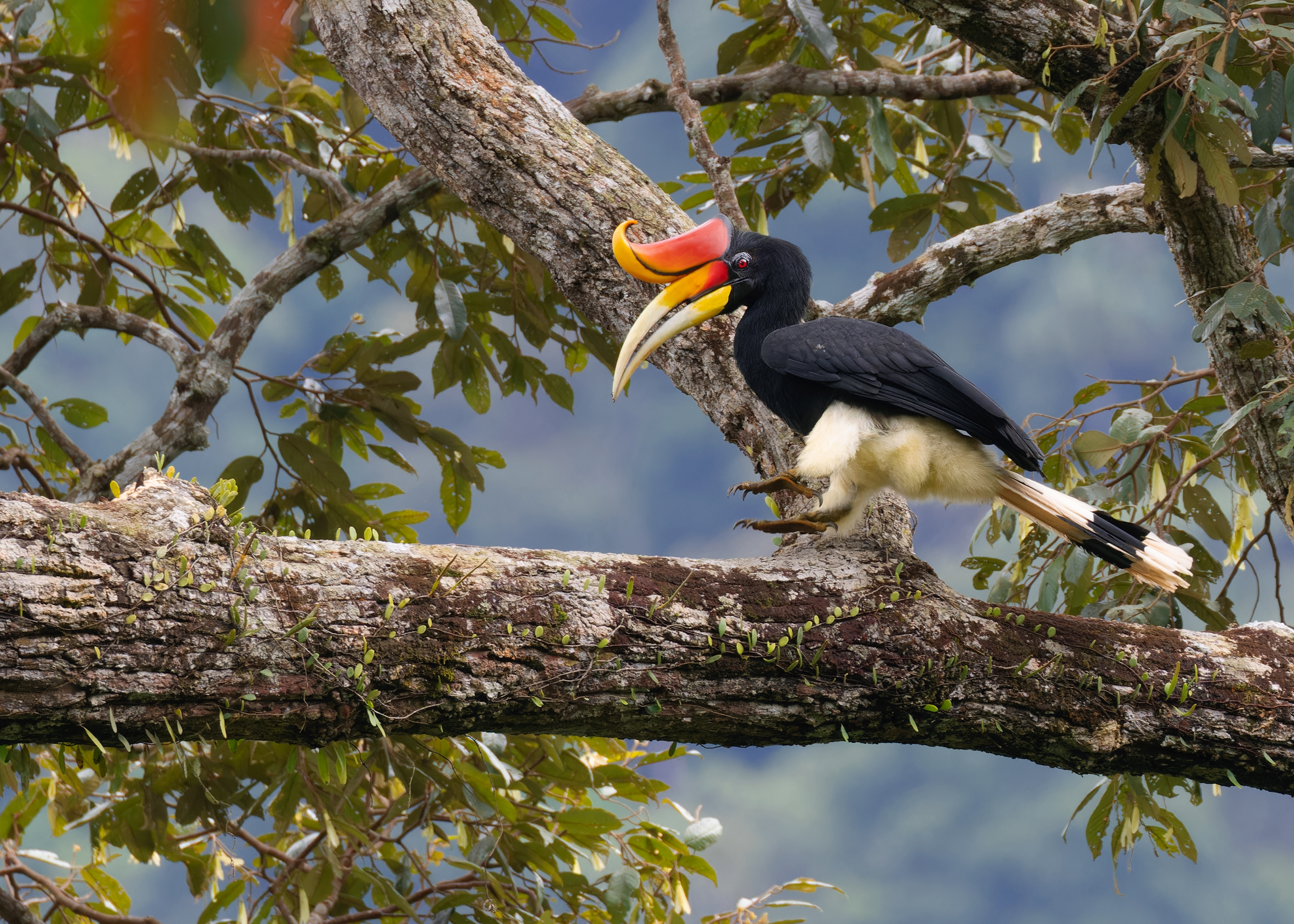
Hala-Bala is probably best known for its hornbills. It is the only area in Thailand where the iconic and globally threatened Rhinoceros Hornbill can be found quite easily. During this trip, we had some amazing views of the famous male that was busy finding food to feed the female inside the nest. The most interesting food item was probably a huge millipede that it caught from the road. I never knew that hornbills eat millipedes too.


We saw nearly all species of hornbills in Hala-Bala except for the Oriental Pied Hornbill which is rare in this area. The Helmeted Hornbill was undoubtedly the best one. We were lucky to see a male flying by with food in its beak suggesting that it was feeding the female and chick inside the nest. This prehistoric-looking bird is now a globally critically endangered species due to hunting and habitat loss. Every sighting feels almost magical these days. Another rare and endangered hornbill that we saw was the Wrinkled Hornbill which I failed to get any photo of the pair that was spotted in the distance.


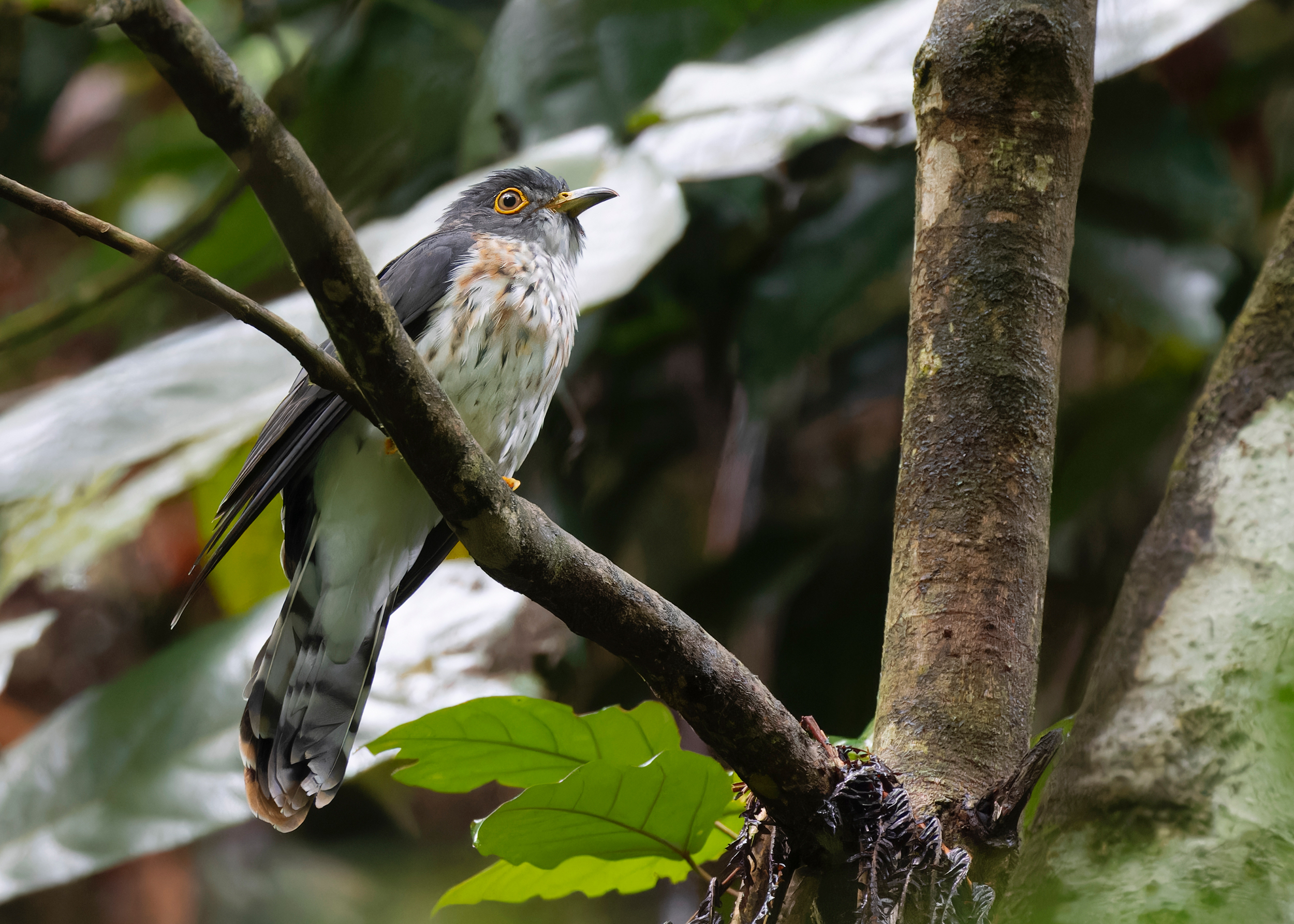
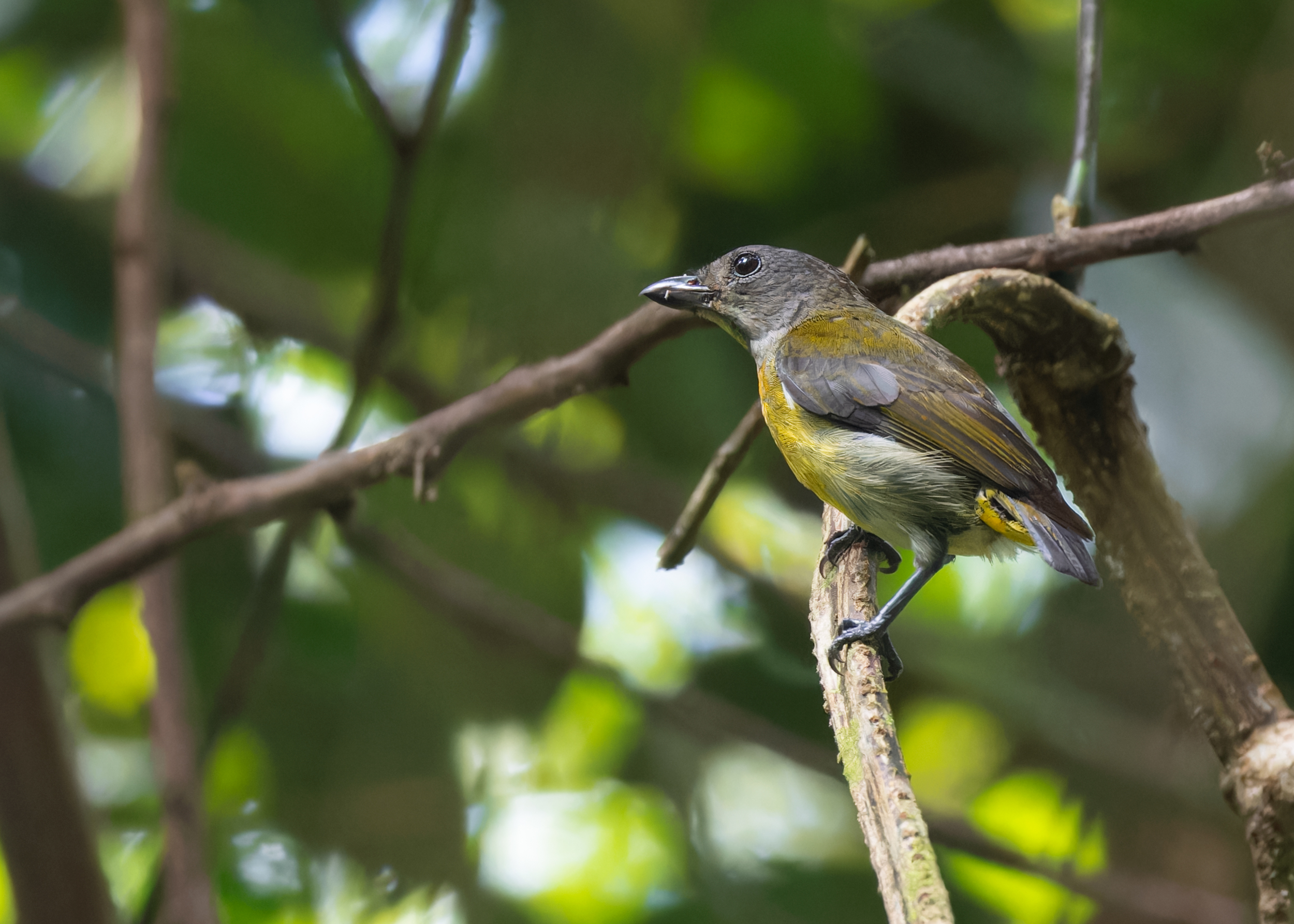


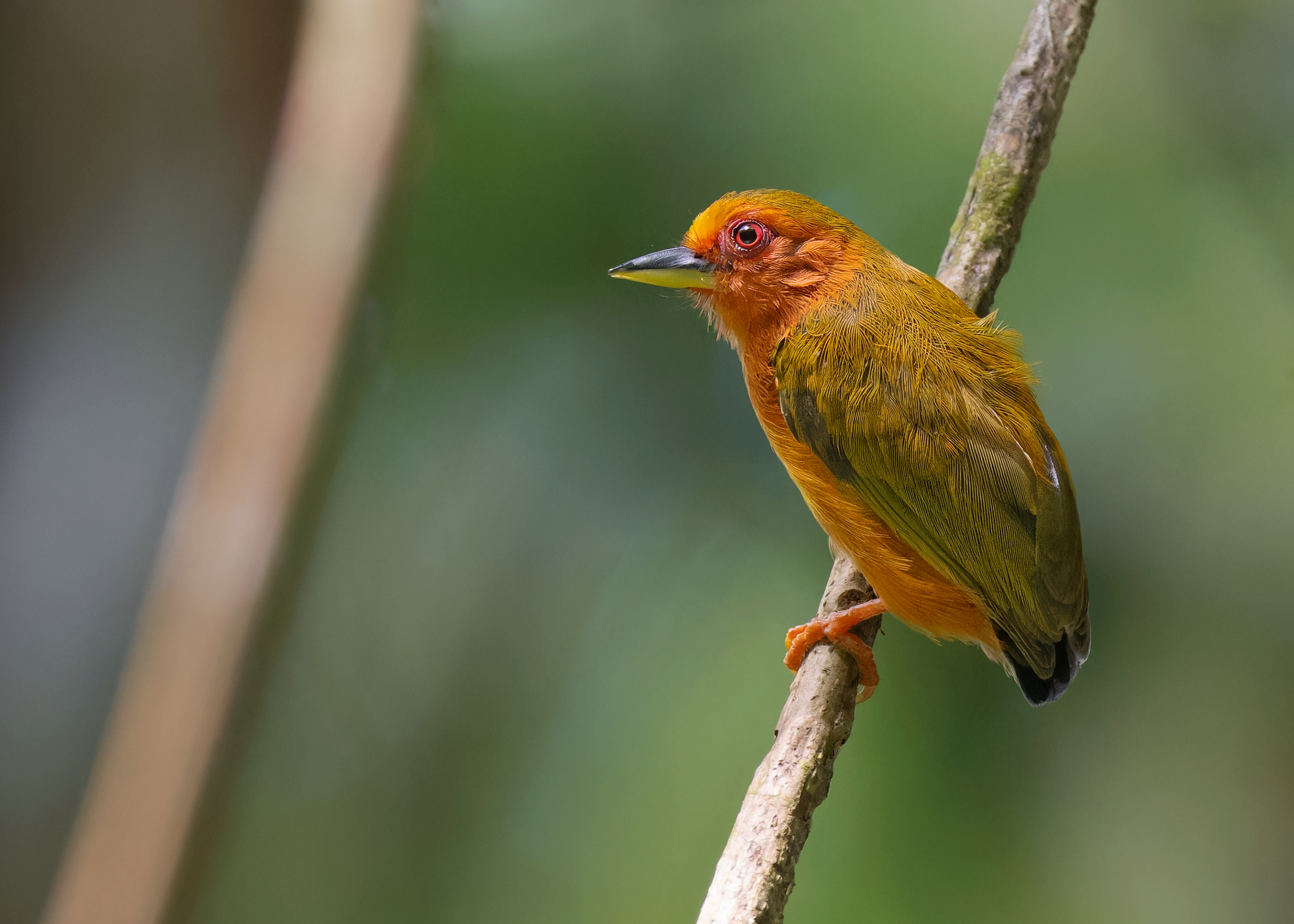


Apart from the rare and iconic species, we also had some other nice birds like broadbills, trogons, and woodpeckers. I found Maroon Woodpecker to be particularly common during this trip. We could hear them anywhere that we stopped for birding. Getting a decent view of one was extremely difficult though. There was only one brief moment when I could actually photograph a male bird sitting in the open.

We also heard the distinctive call of the shy Crested Shrikejay at two different locations throughout the trip. This unique bird is one of the most sought-after species among Thai birders. I hadn’t seen it for many years. Finally, we had a brief view of the bird that came out into the open for nearly half a minute. Even though it was dark and quite far away, we were all very happy to see it.

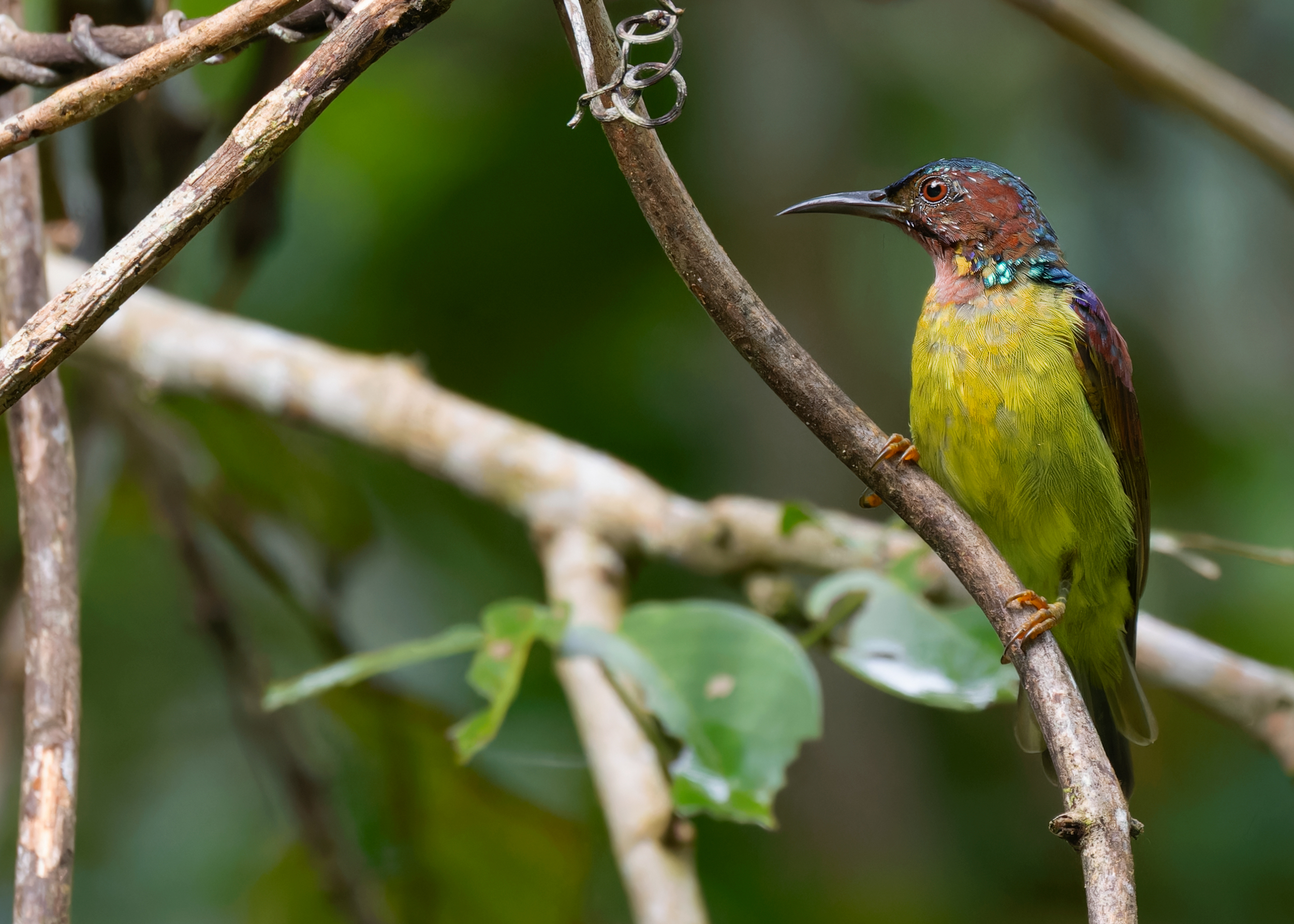

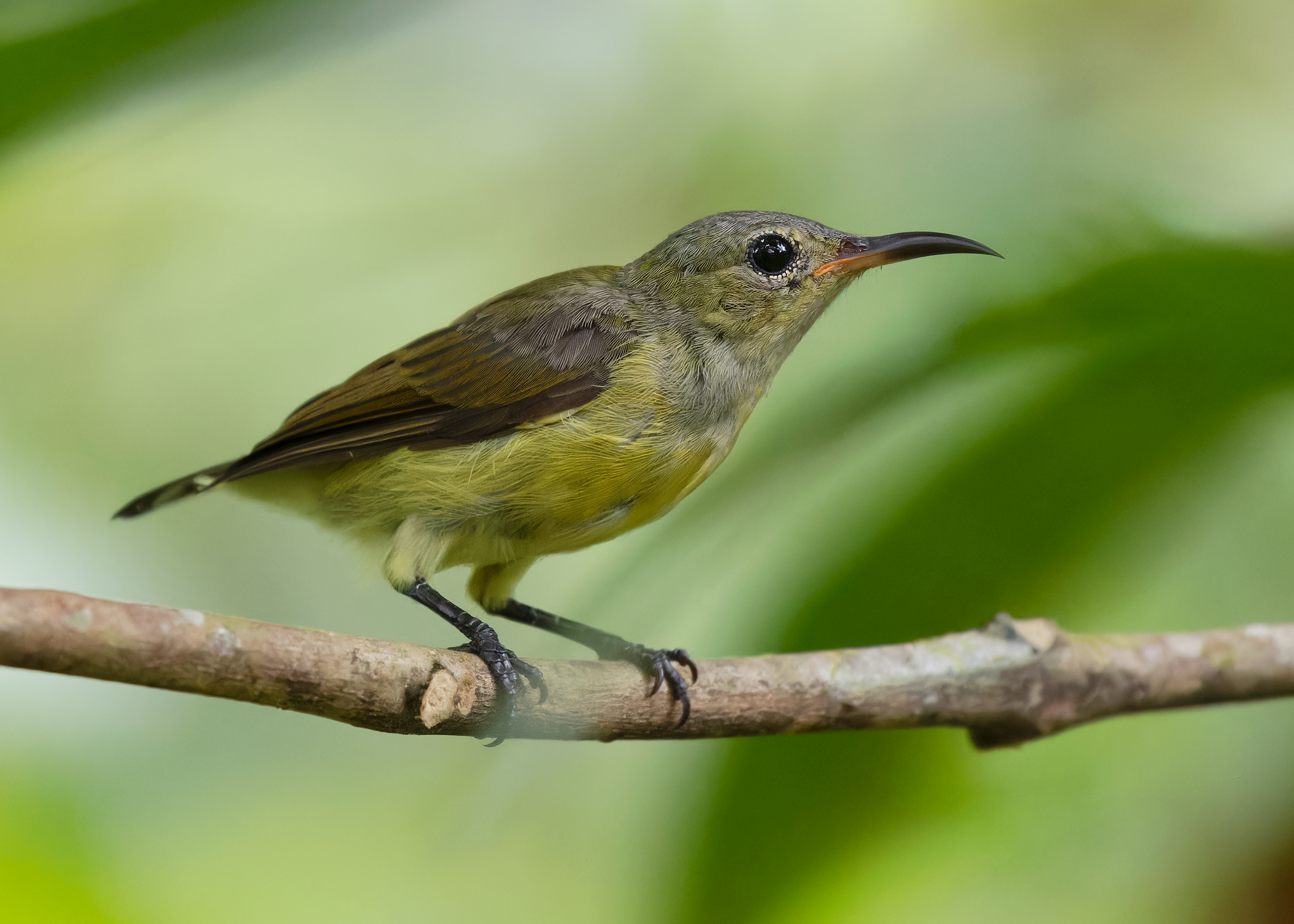
August didn’t seem to be an ideal month for sunbirds. Nearly all the male sunbirds that we saw were heavily moulting their body feathers making them look rather scruffy. Nevertheless, finding an immature male Temminck’s Sunbird was still exciting for us. It was the first time for me to see such a transitional plumage of this species.


Apart from birds, we also had a fair share of other wildlife. Finding not one, but two Black Copper Rat Snakes completely blew my mind. This species is a very scarce snake in Thailand and it was the first time ever for me to find it. I also spotted a very distant Binturong, another lifer for me, sitting on a tree on the opposite hill side.


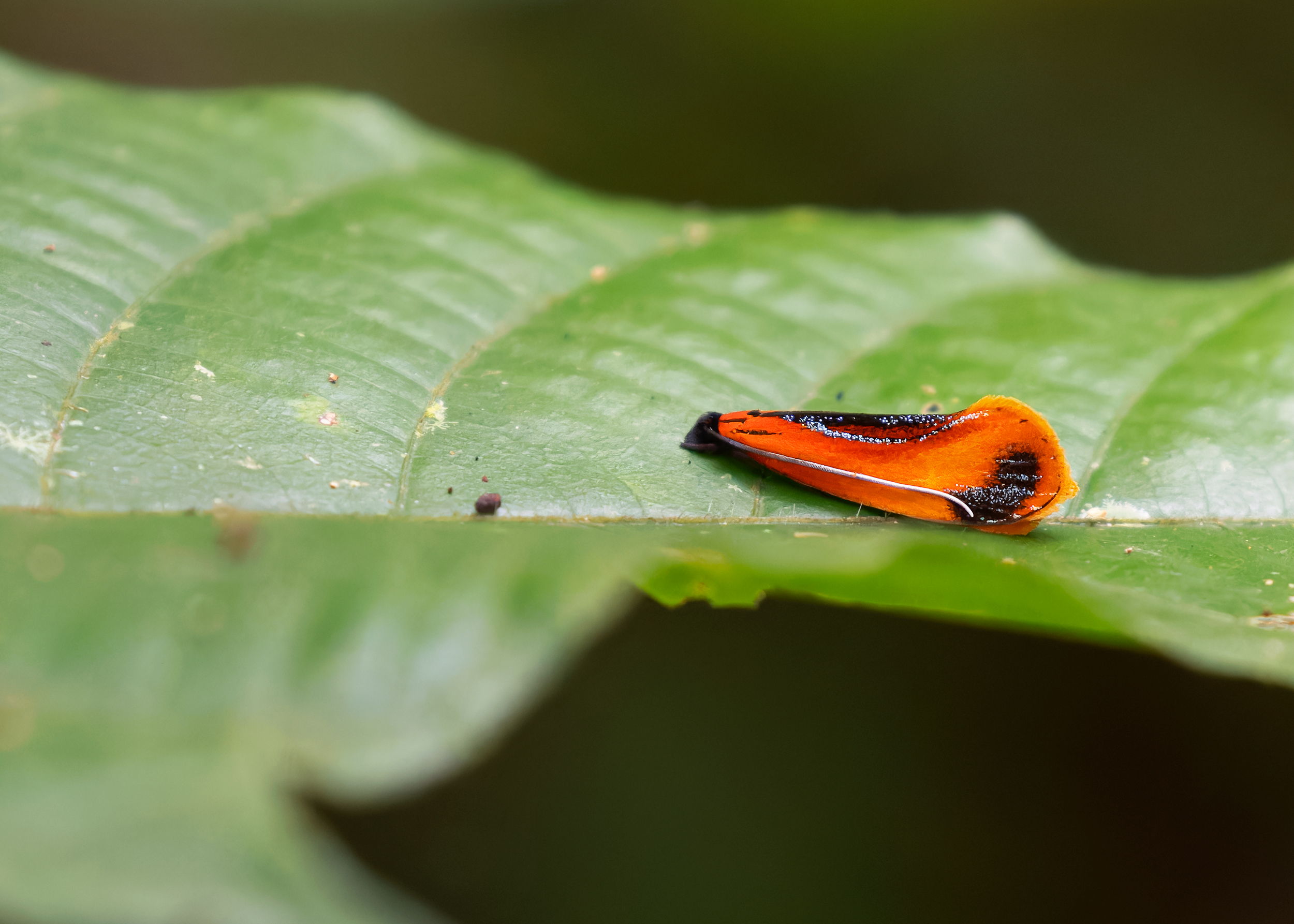


There were some cool insects too. Finding a large Orchid Mantis was certainly one of the personal highlights. I was also happy to see that the Pyrops pyrorhynchus lanternflies that I saw in the previous trips were still on the same tree. They looked really cute when standing close to each other in small groups.

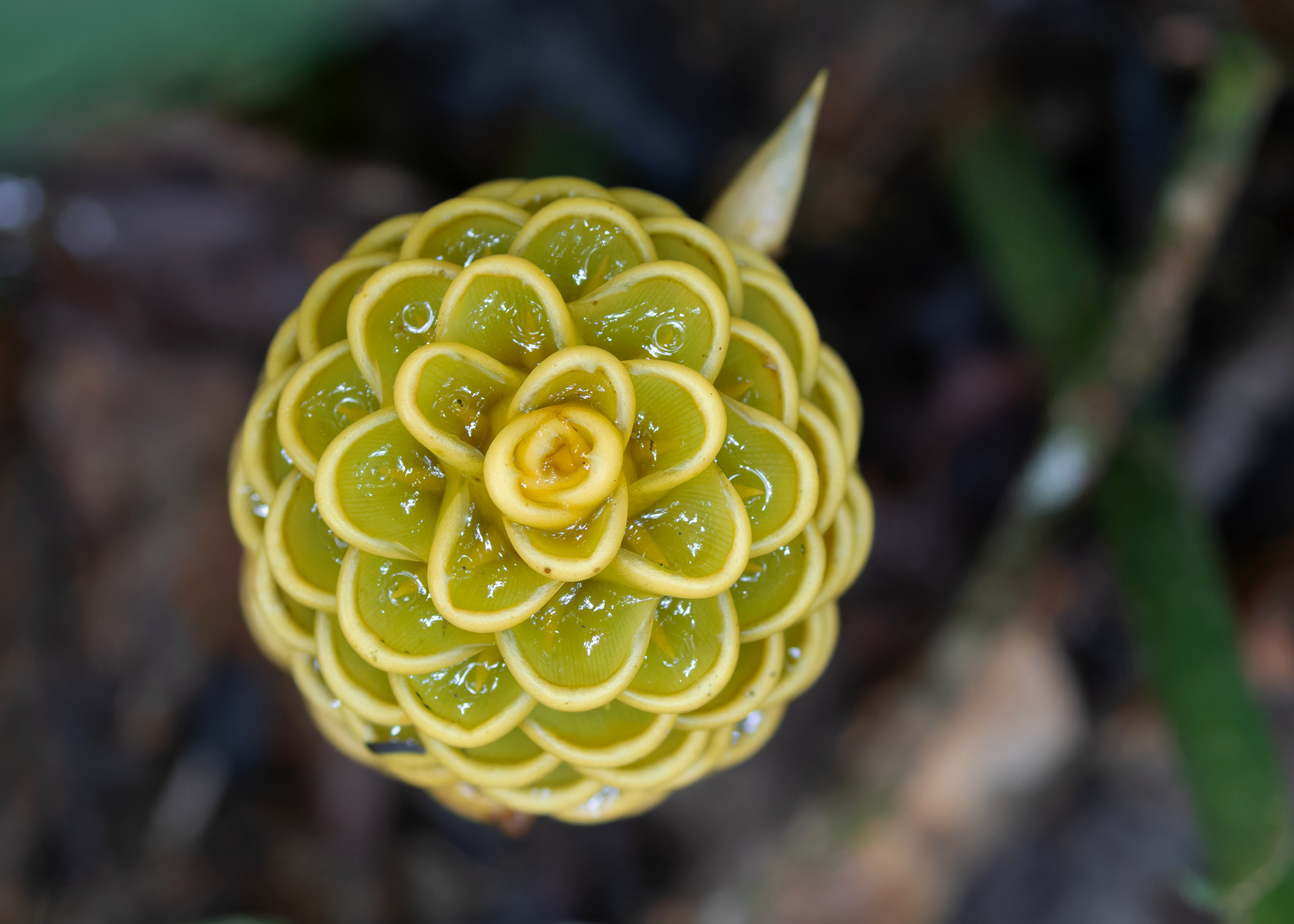


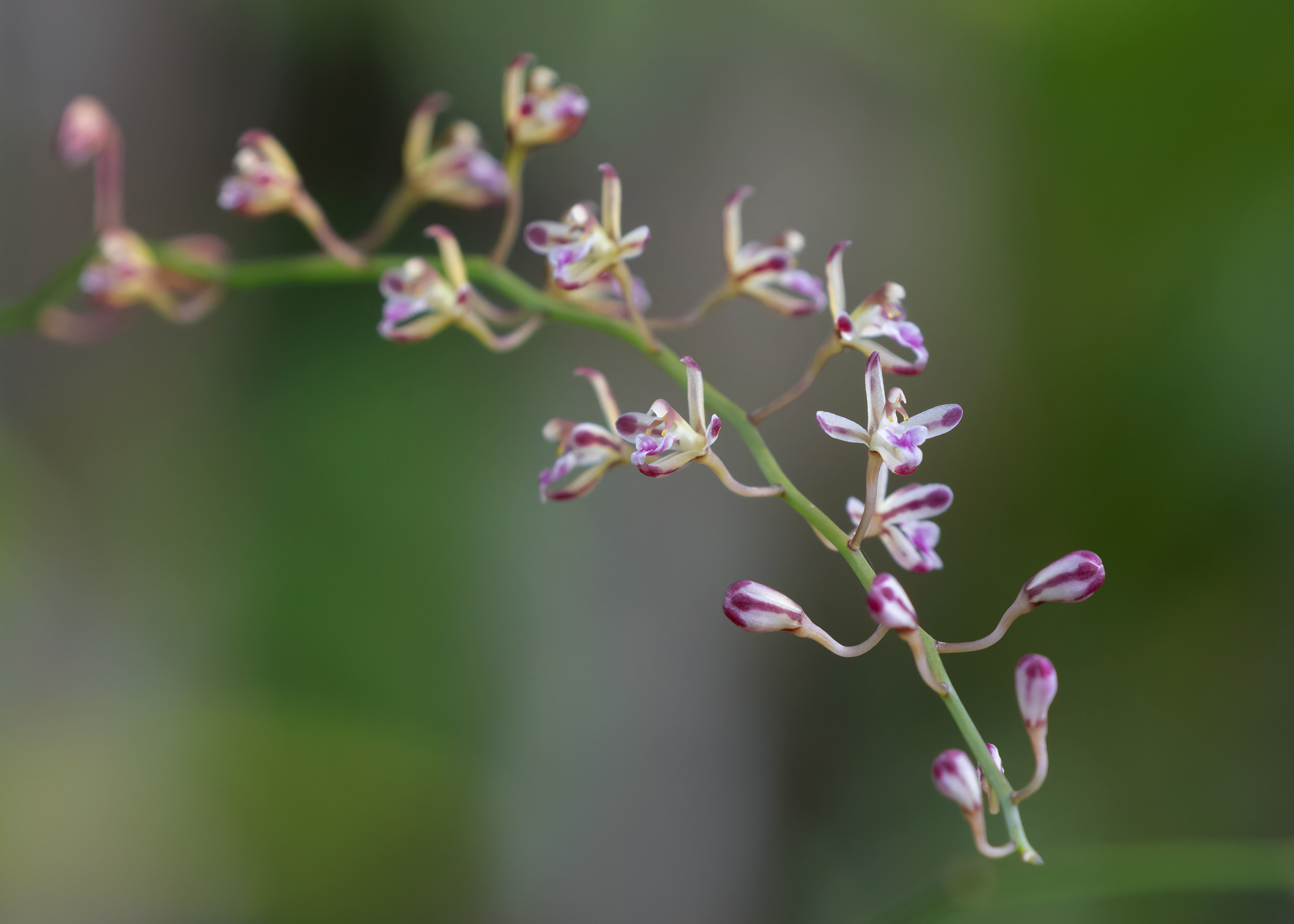


I remember finding wild blooming Tiger Orchids (Grammatophyllum speciosum), the tallest orchid in the world, during my previous visit in August 2019. During this trip, I was very happy to see lots of them in full bloom as expected. Another exciting orchid that we found blooming was the Thrixspermum obyrneanum, a species that was only described in 2022 from Narathiwat. Apart from the orchids, finding a flowering Zingiber wrayi was also a big highlight for me. This species of ginger is only known from southernmost Thailand and Peninsula Malaysia and is currently listed as globally Endangered by the IUCN Red List.


Anyone visiting Hala-Bala Wildlife Sanctuary would normally visit Sirindhorn Peat Swamp Forest in Sungai Kolok as well. We spent one full day and a late afternoon here during our last trip. This area is probably the largest and most pristine peat swamp forest in Thailand. This time, I did not focus only on birds but also tried to look for dragonflies and damselflies too. Apparently, there are many species that are locally common but rare elsewhere in Thailand.


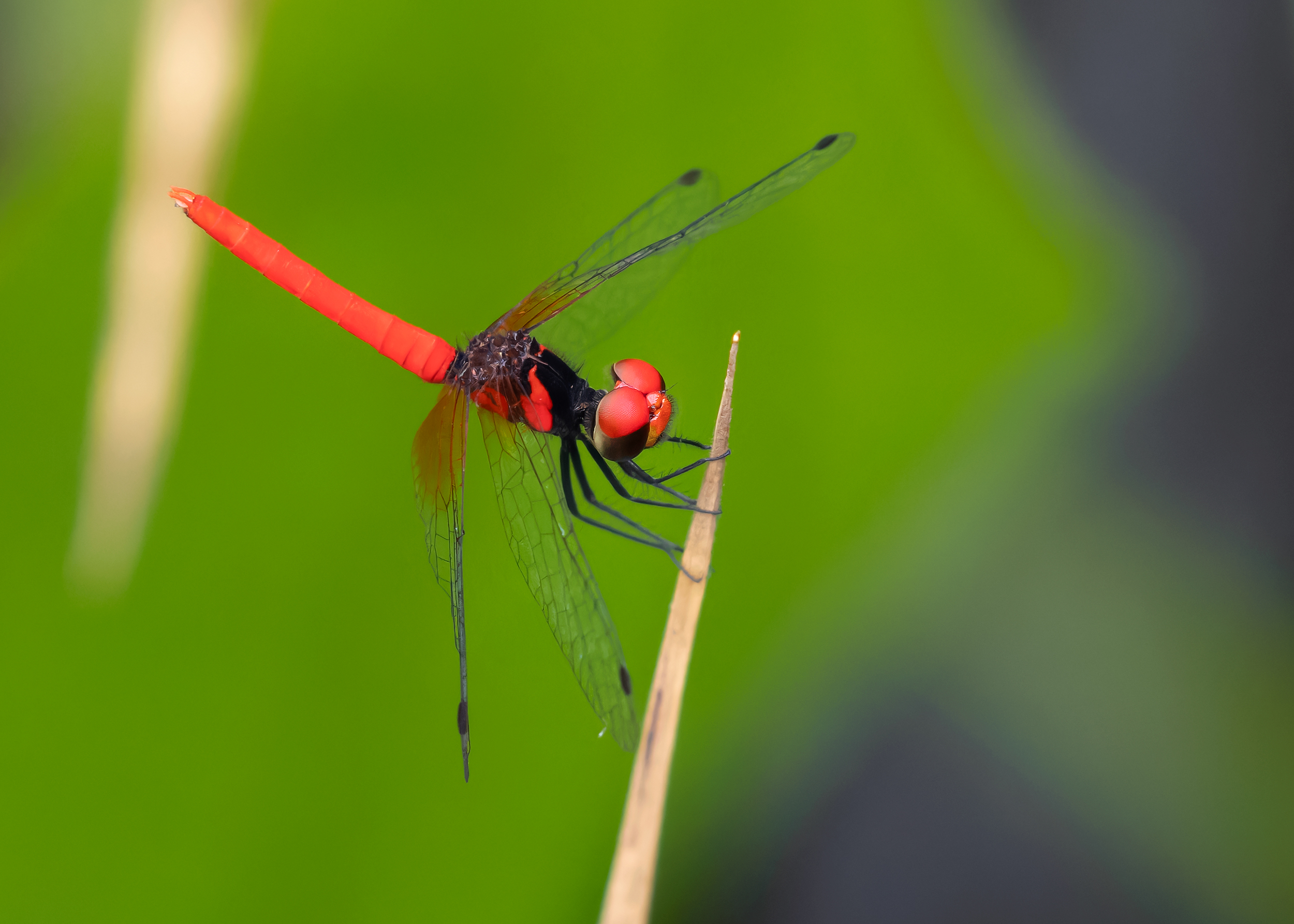
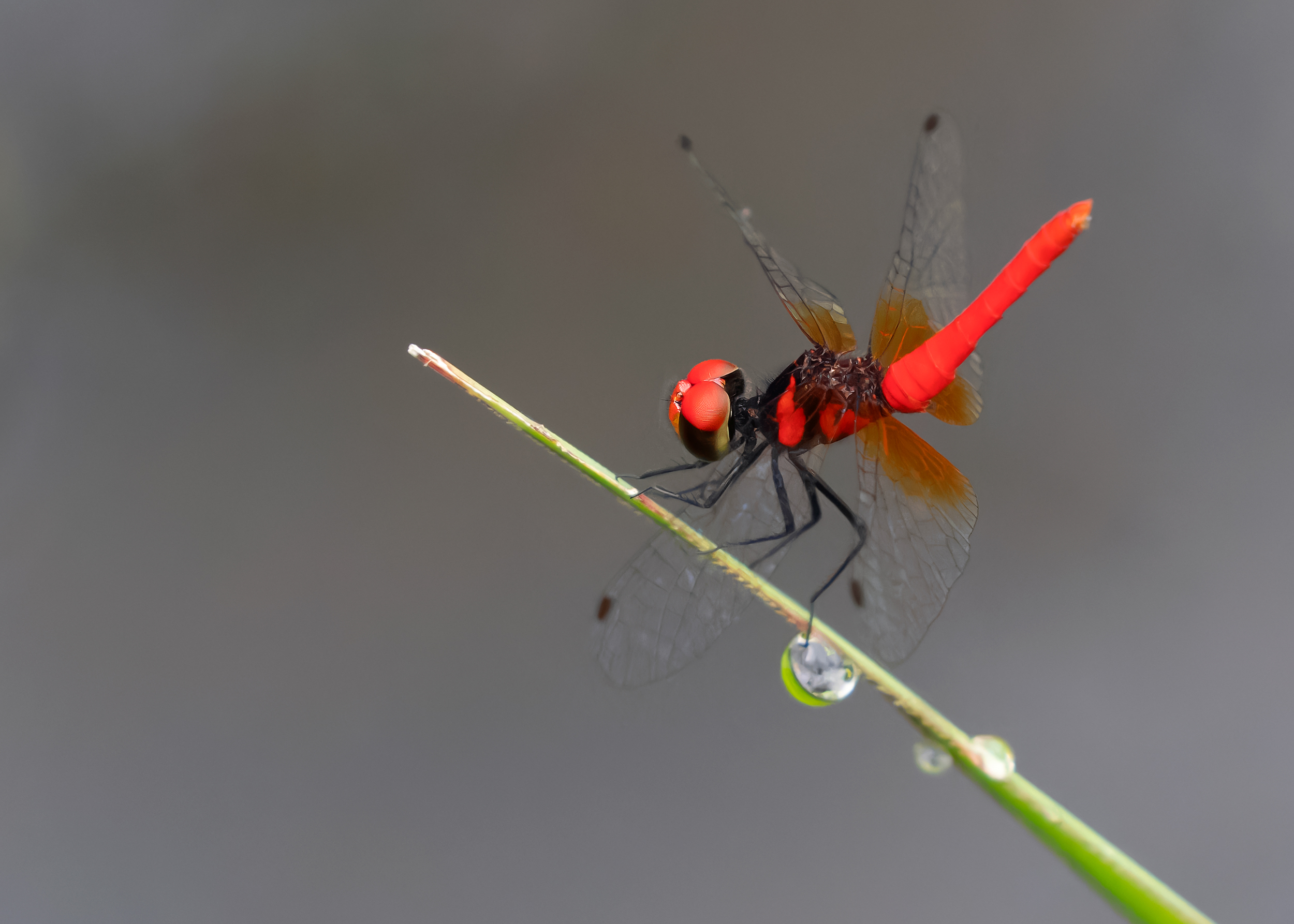

My two most favorite species that I found during this trip must be the Clearwing Gem (Libellago hyalina) and Scarlet Pygmy (Nannophya pygmaea). I particularly like the Clearwing Gem because of its extremely diverse appearance, while the male Scarlet Pygmy is just absolutely stunning.




Birds at the peat swamp forest were generally less active than during my visits in summer. We still found most of the highlight species including Malaysian Blue-Flycatcher, Fluffy-backed Tit-Babbler, Red-crowned Barbet and Black Hornbill though. Unfortunately, we couldn’t get any photo of the latter two species.
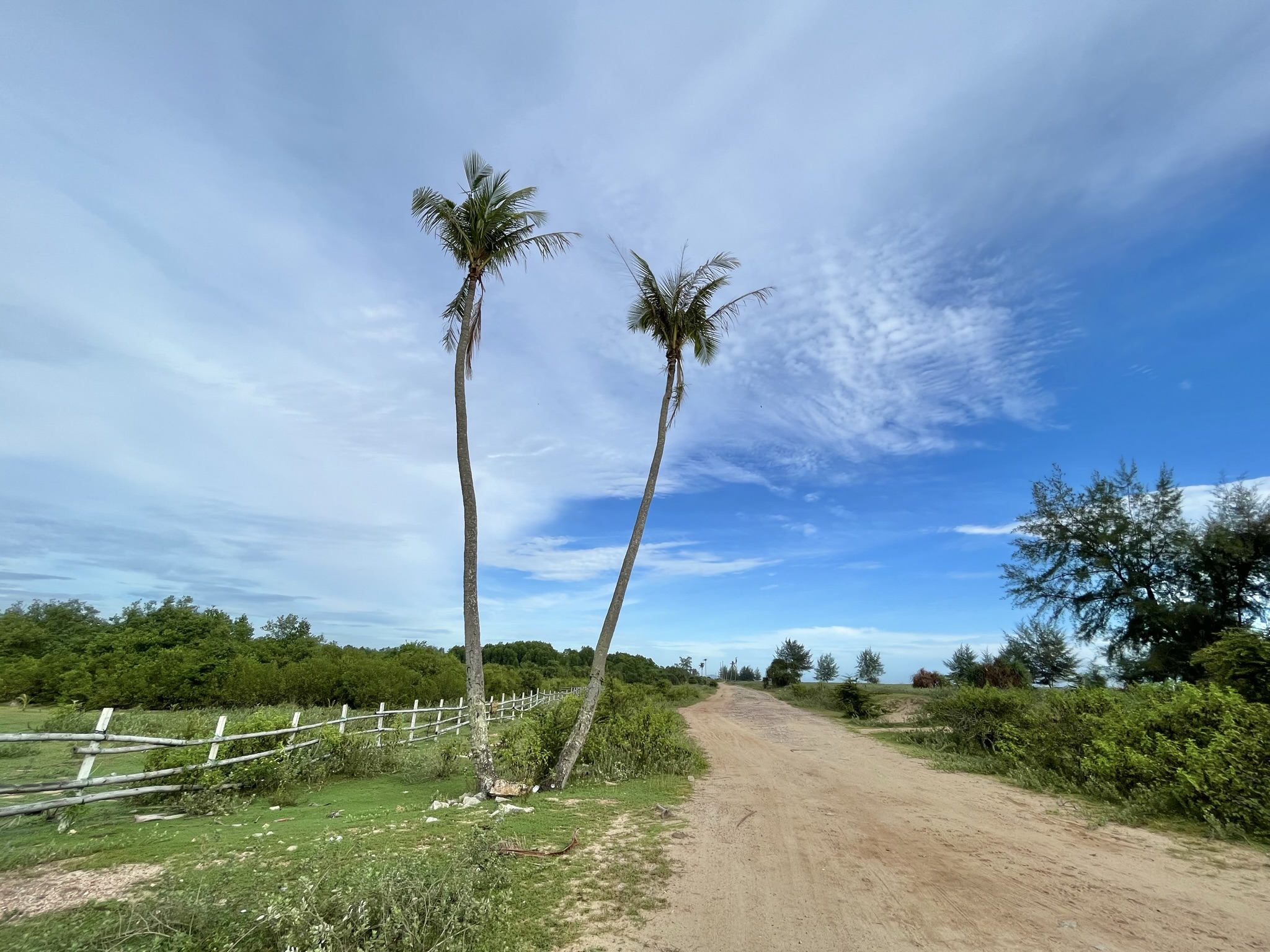

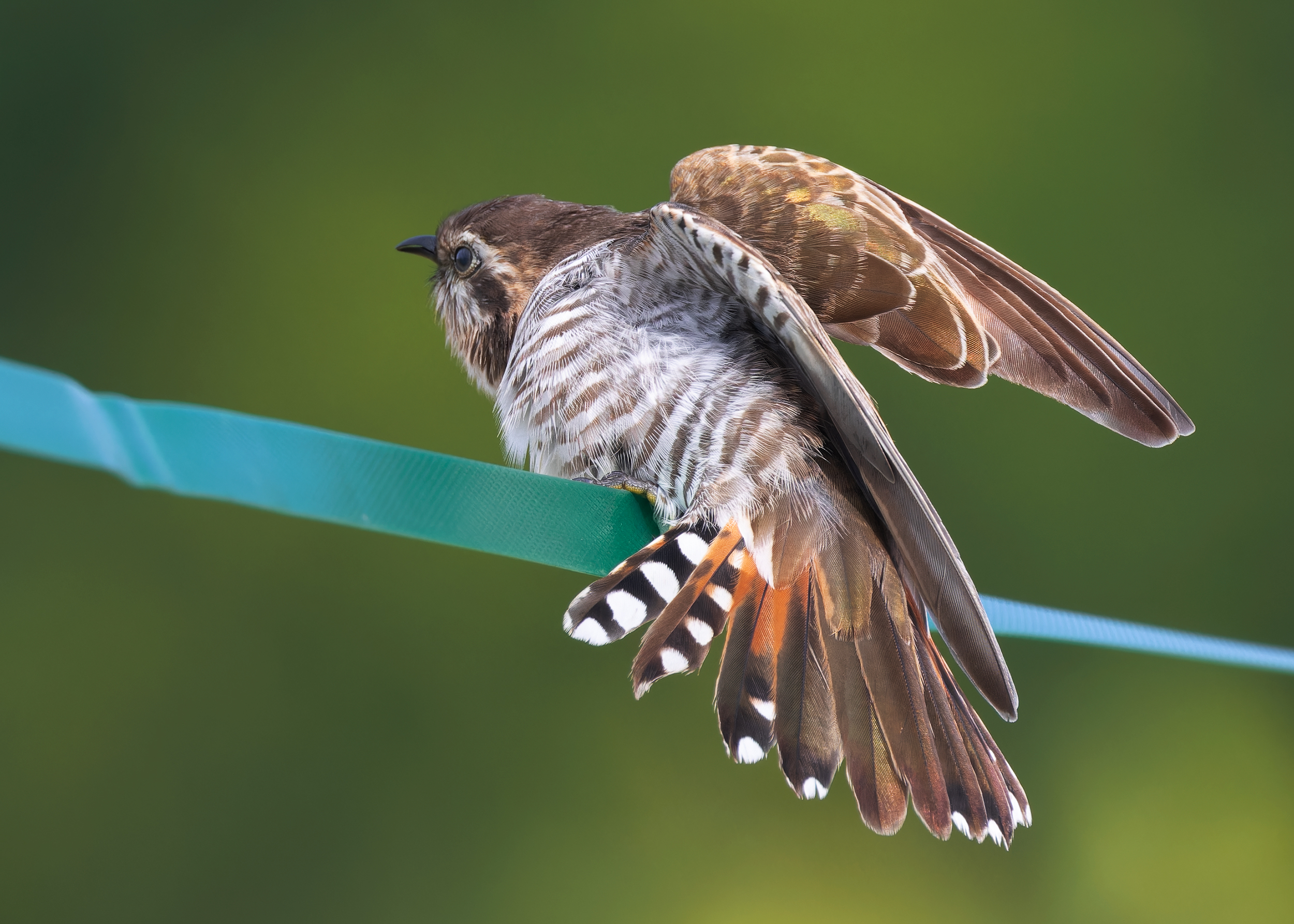
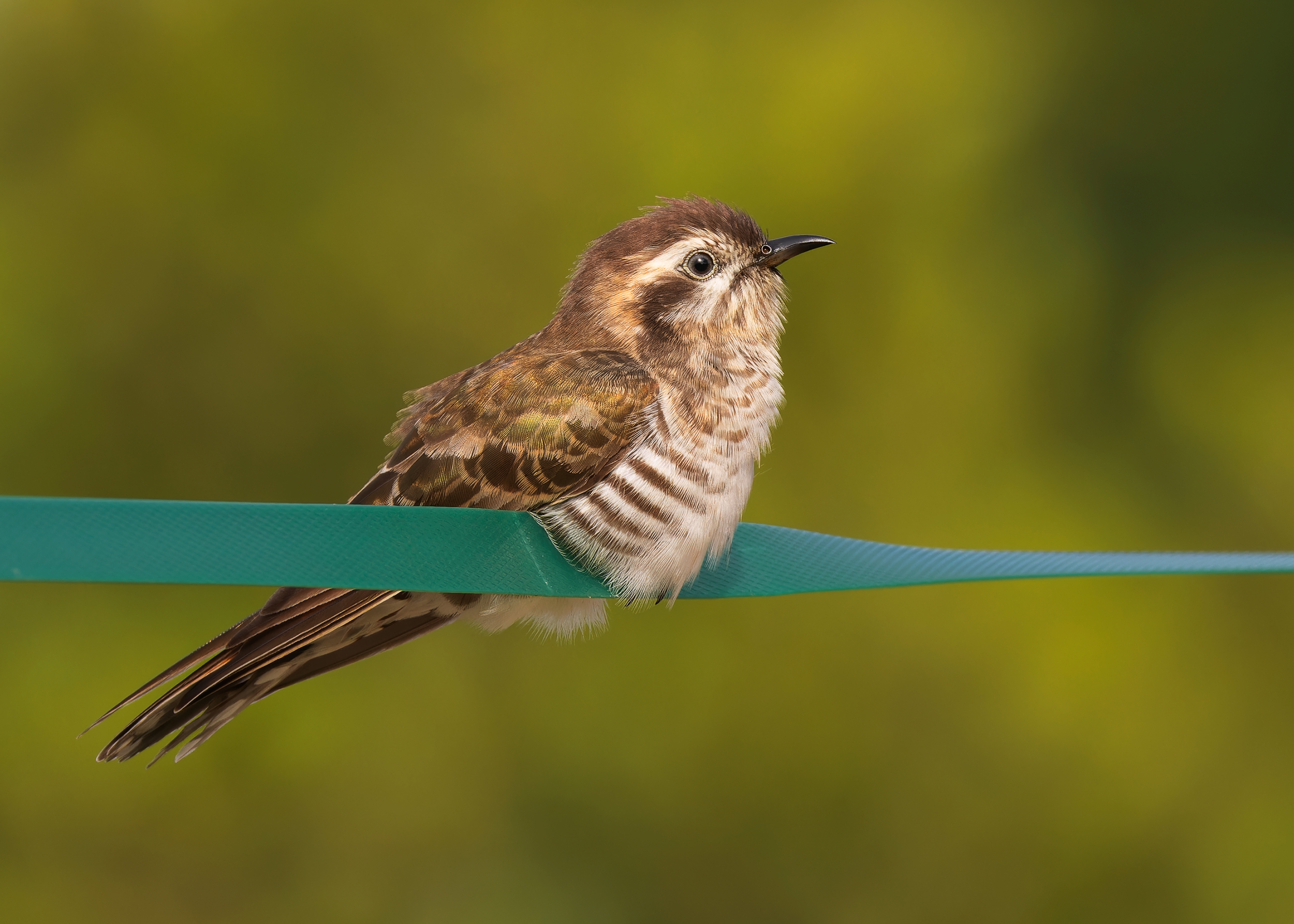
Before leaving Narathiwat, we made our last stop at Ko Yao in Tak Bia district to look for the austral migratory Horsfield’s Bronze-Cuckoo. It was the first time for me to visit this site and I was impressed by the beauty of the habitat. Birds were not that abundant though and we also saw a local poacher passing by. At least we were very successful in finding the cuckoo! In total, we found 2 birds with the second one being surprisingly tame as shown in the photos. It just sat motionlessly for nearly half an hour. Other significant species that we saw included a fly by Little Green-Pigeon and lots and lots of Javan Mynas.


Lastly, one of the best things about visiting southern Thailand in August is the abundance of fruits! We had plenty of local durians, mangosteens, salaks and rambutans daily. You wouldn’t find this many fruits in other seasons. We had several kilograms of fruits in our cars to eat while birding everyday and they’re unbelievably cheap. This is probably the more obvious reason to visit the south in August rather than the birds!
 ayuwat
You see so much more when you remove the pressure factor of producing high numbers and rarities. Sounds like a perfect trip to me.
Great stuff as usual! When you take your time you see more!
Thanks for sharing photos and experiences of your August trip. Almost every thing is new and “exotic” to me, for example, Common Butterfly Lizard and Orchid Mantis. By the way, the only Babbler that I might be able to see in the near future is called Taiwan Scimitar Babbler. It is Autumn here, and the singing/calling grasshopper species are active.
thank you for this wonderful post Ayuwat! Gre
glamorous! Famous Magician Reveals Secrets Before Retirement 2025 electrifying