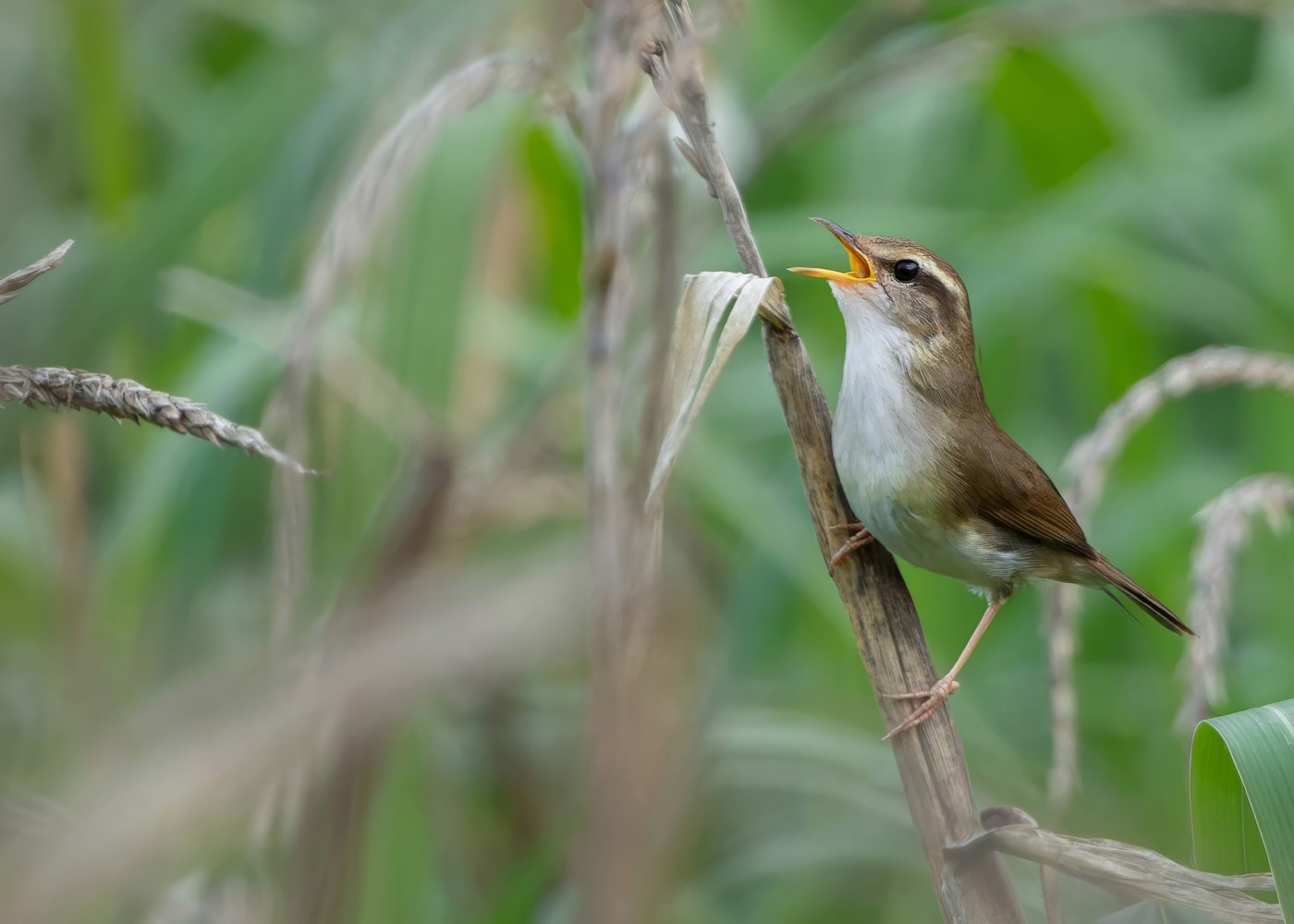
When I first started birding 26 years ago, most people had very little idea about how “Pale-footed Bush Warbler” actually looked like. Back in those days, we didn’t have very many photos of most birds, let alone bush warblers. Most photographic guide books got their warblers all mixed up and the quality of the photos were not great. I had only seen illustrations of the species from bird guide books, and maybe one photo taken in-hand, which looked nothing like the illustration. I became very intrigued and always wanted to see it for myself. On 11 April 2004, I came across a small brownish warbler that I had never seen before while birding at Doi Angkhang. I remember vividly how confused I was while watching it hopping around in and out of the bushes all the while belting out its very loud and sweet songs. I remember thinking to myself that it was not a Phylloscopus warbler nor Aberrant Bush Warbler, which I had already seen by the time, and definitely not one of the Locustella warblers since the songs were so sweet and melodic, so what was it? I came to a conclusion that it must be the (personally) mythical Pale-footed Bush Warbler, a species known to breed on high mountains in northern Thailand.
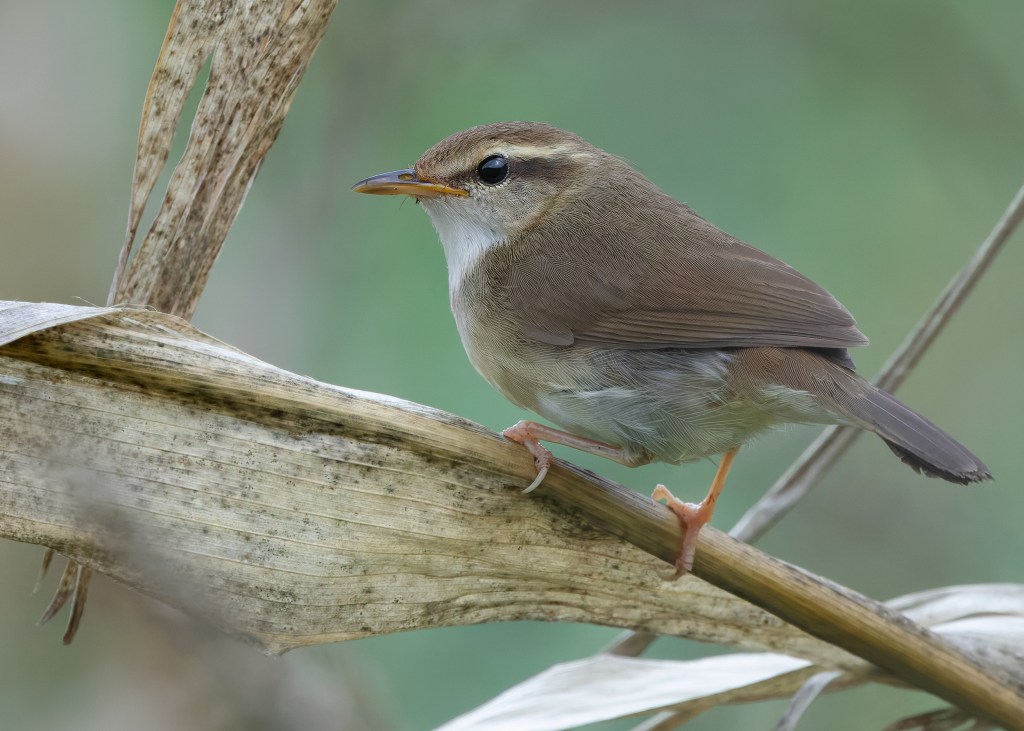
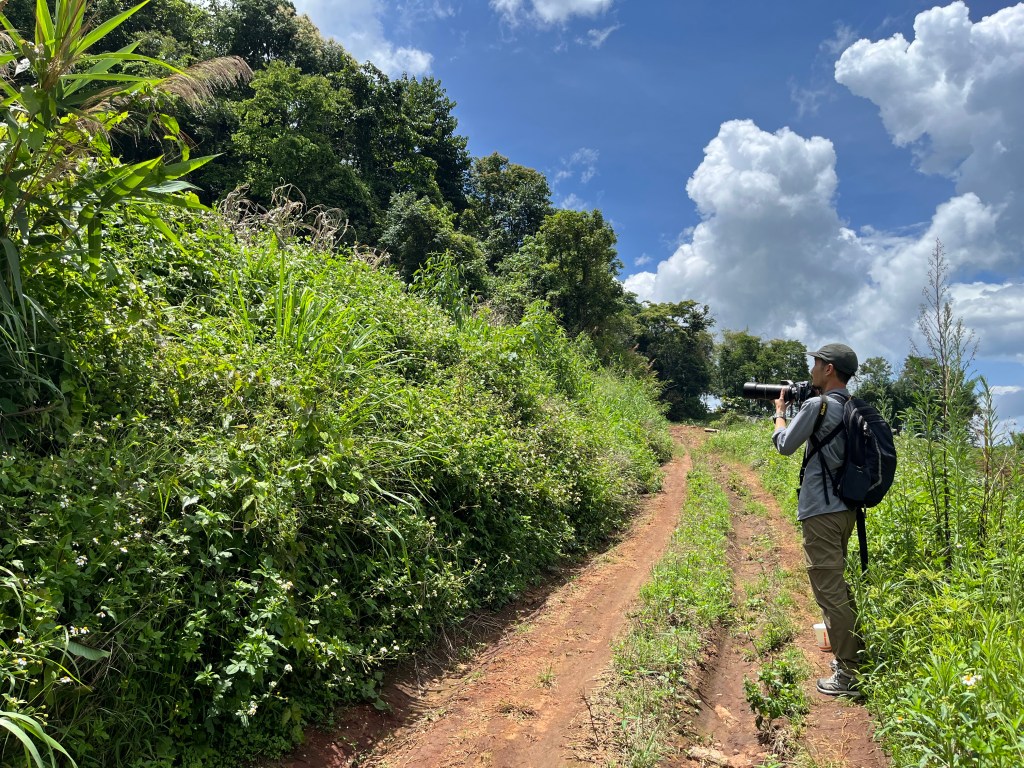
Fast forward to May 2025, I was very excited to hear the news from my good friend, Ingkayut Sa-ar, that he found singing Pale-footed Bush Warbler while exploring a grassy patch on the northern slope of Doi Suthep. He even got photos of it! Even though by then I had already seen a handful of photos of this species from other countries like China and India, I don’t think nobody had actually photographed this species in Thailand before, not counting the in-hand photos. I quickly paid a visit to the spot where he found the bird and was delighted to hear the loud sweet song almost instantly after stepping out of the car. It turned out that there were at least 2 or maybe 3 different singing birds in the same area, and I had a great time observing them in their elements.
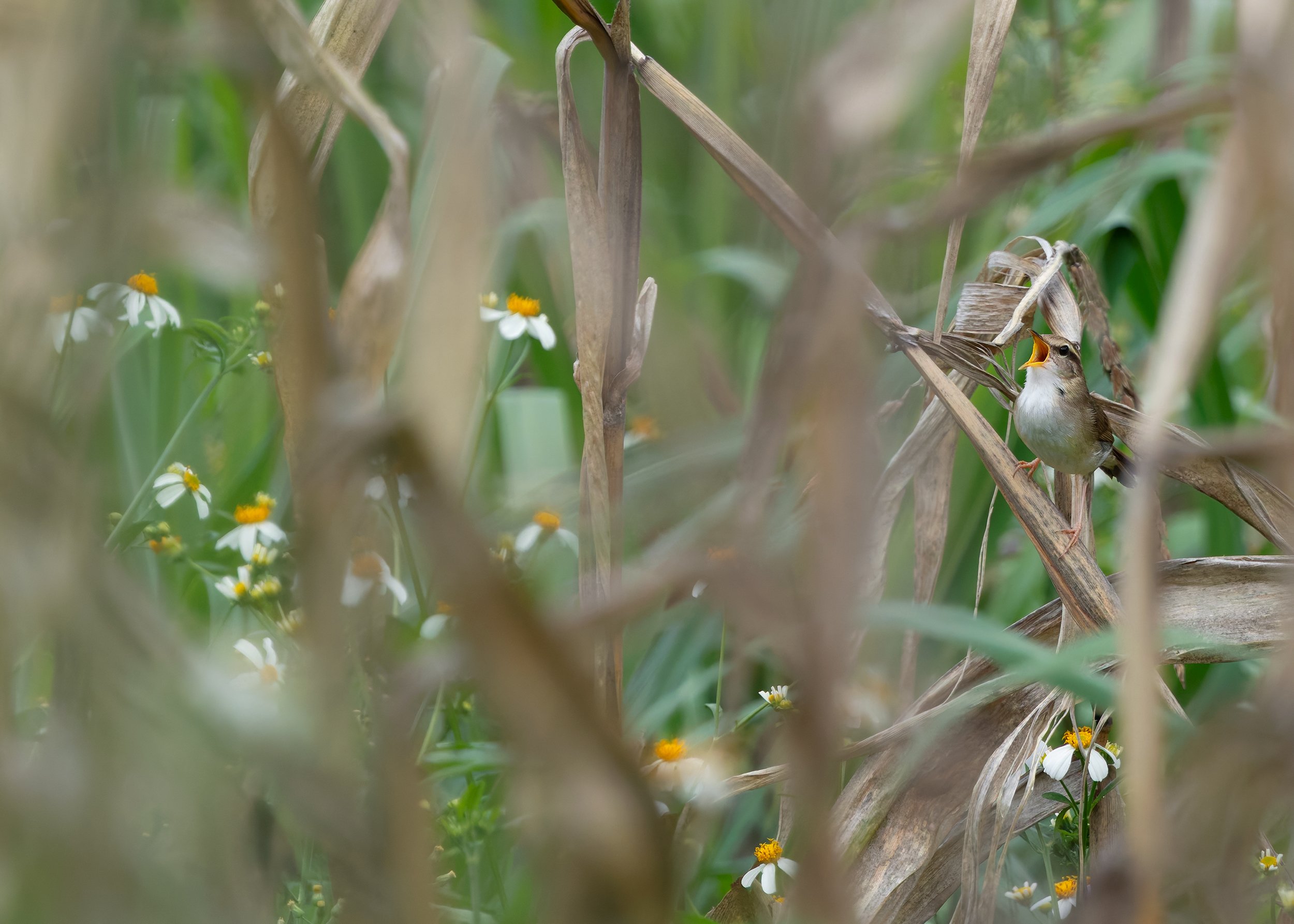
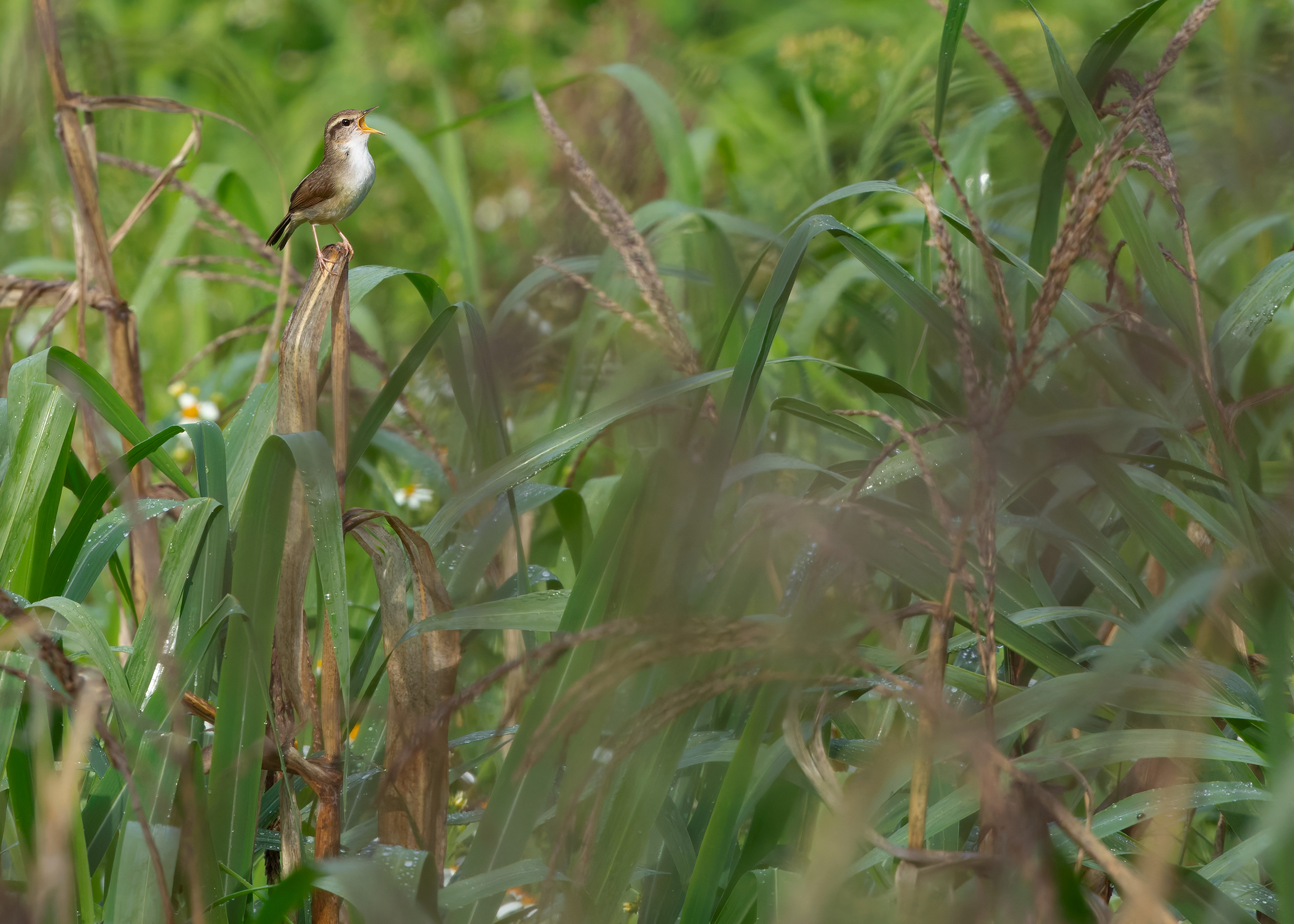
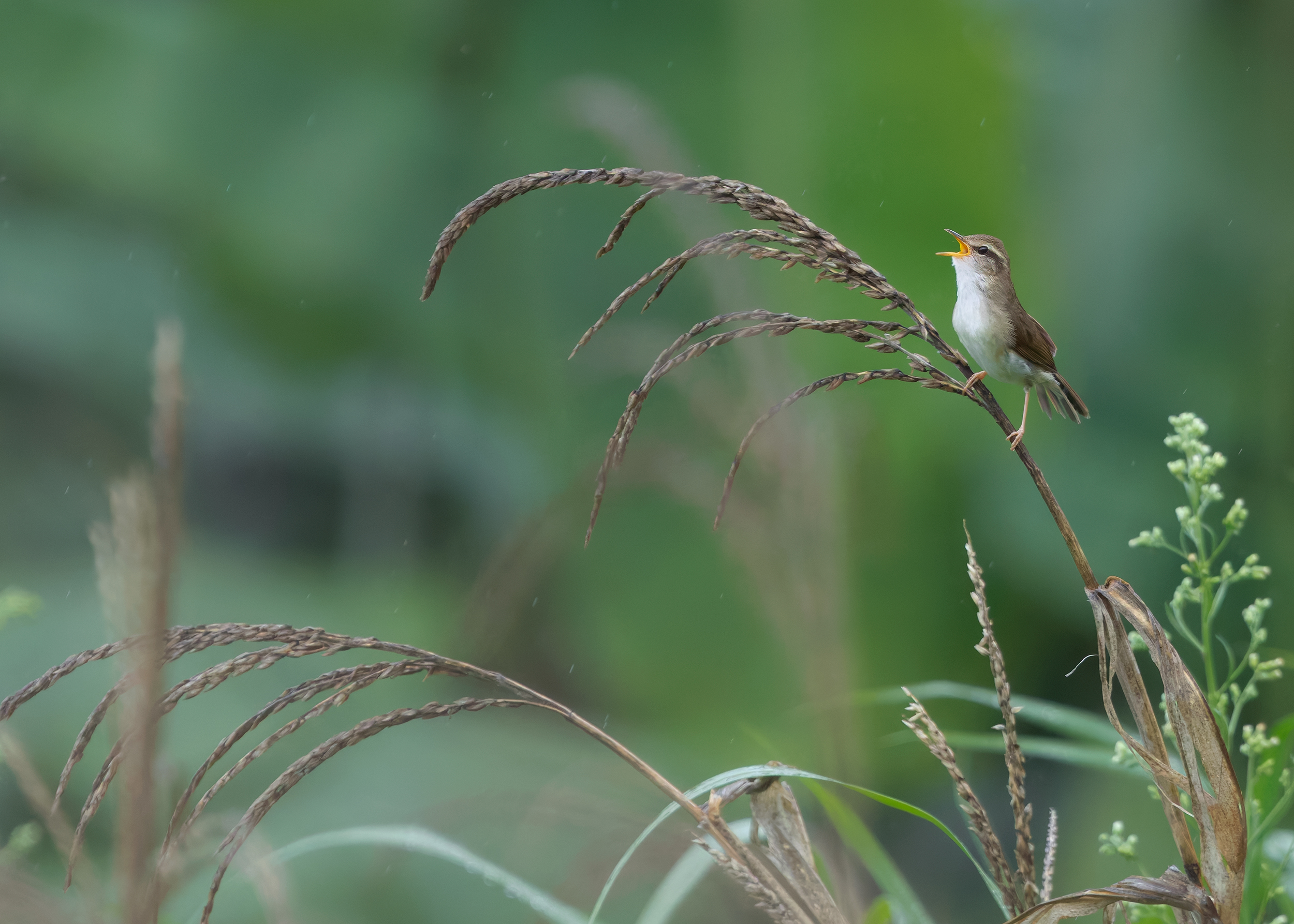
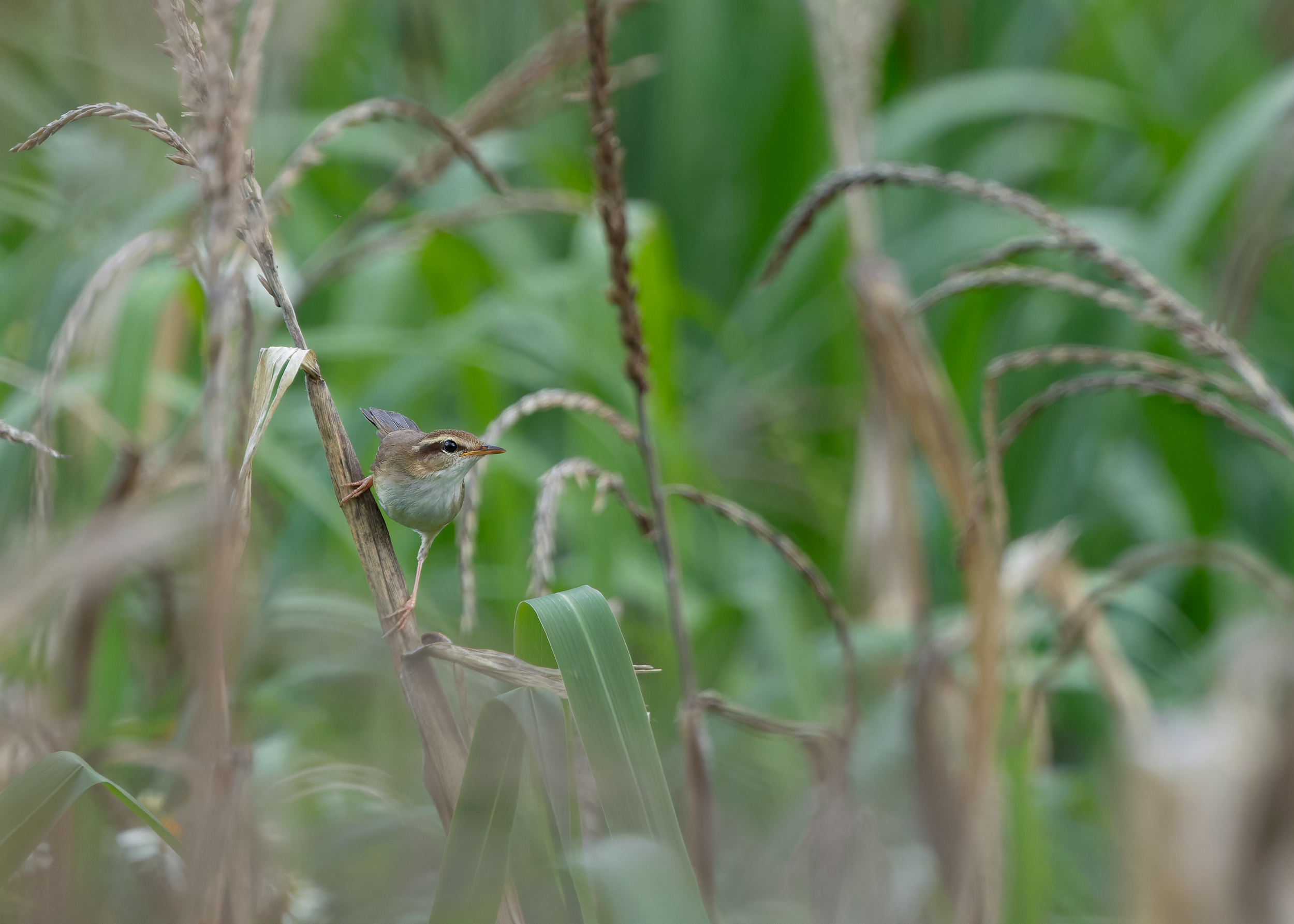
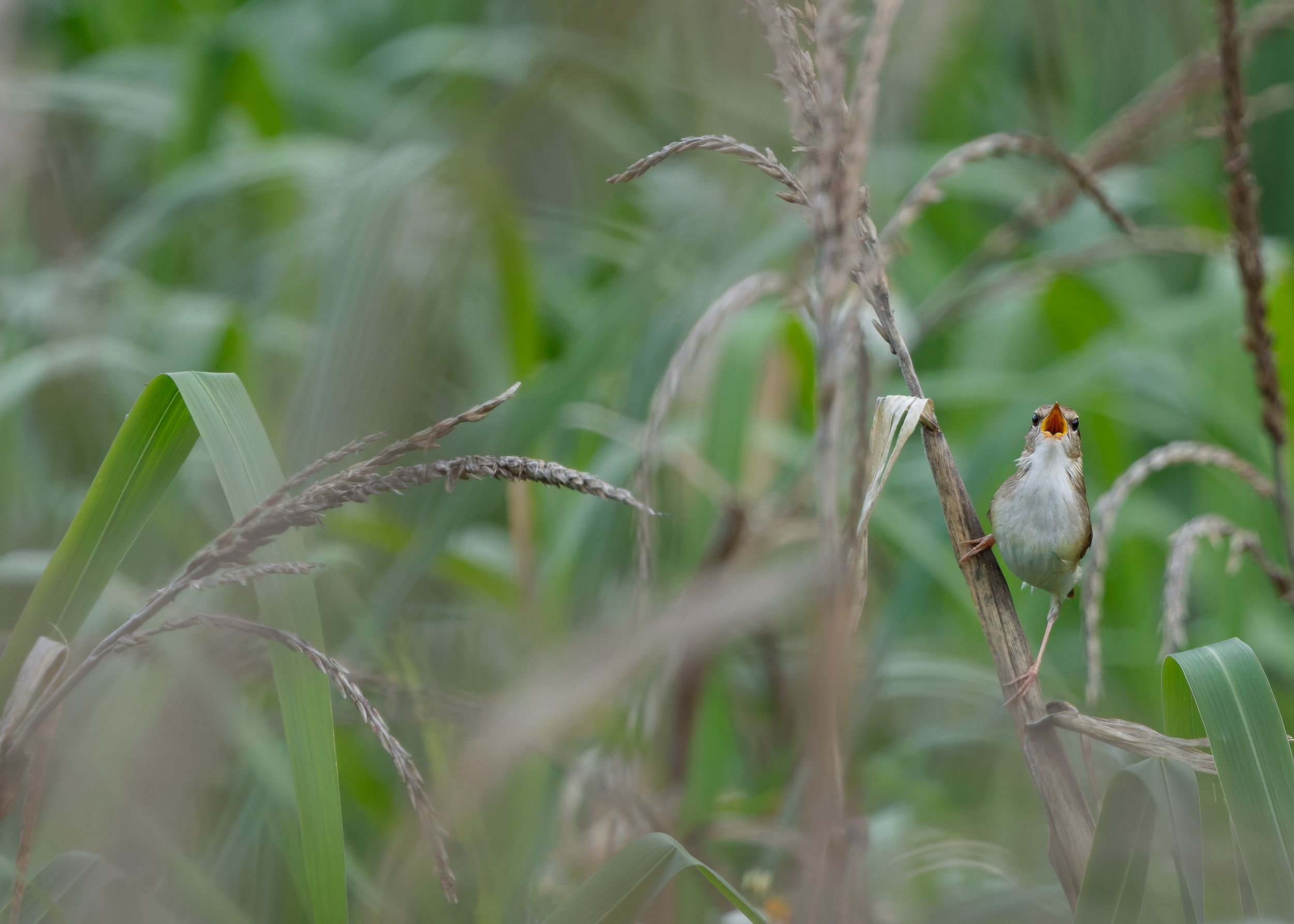
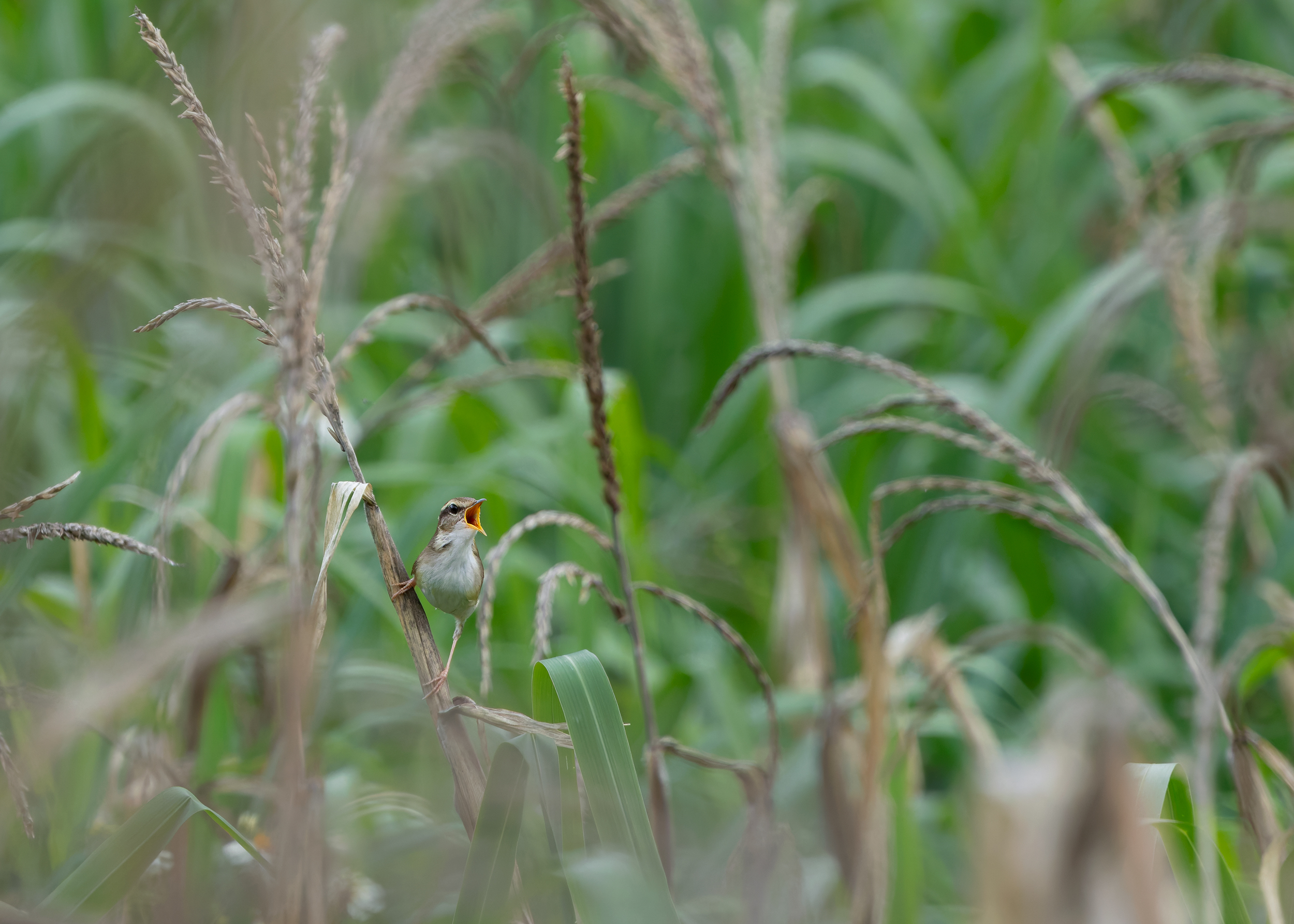
There was one singing bird that was particularly showy and confiding. It was really interesting to watch it sing from the top of the grasses and corns considering how skulky it could be when not breeding. The habitat where these birds were found was an open cultivated area adjacent to montane evergreen forest at about 1,000 m above sea level. There were lots of other weeds growing in the corn plantation and the birds seemed to favour such microhabitat. Other notable species seen in the same area included Yellow-eyed Babbler, Grey-breasted Prinia, and Barred Buttonquail.
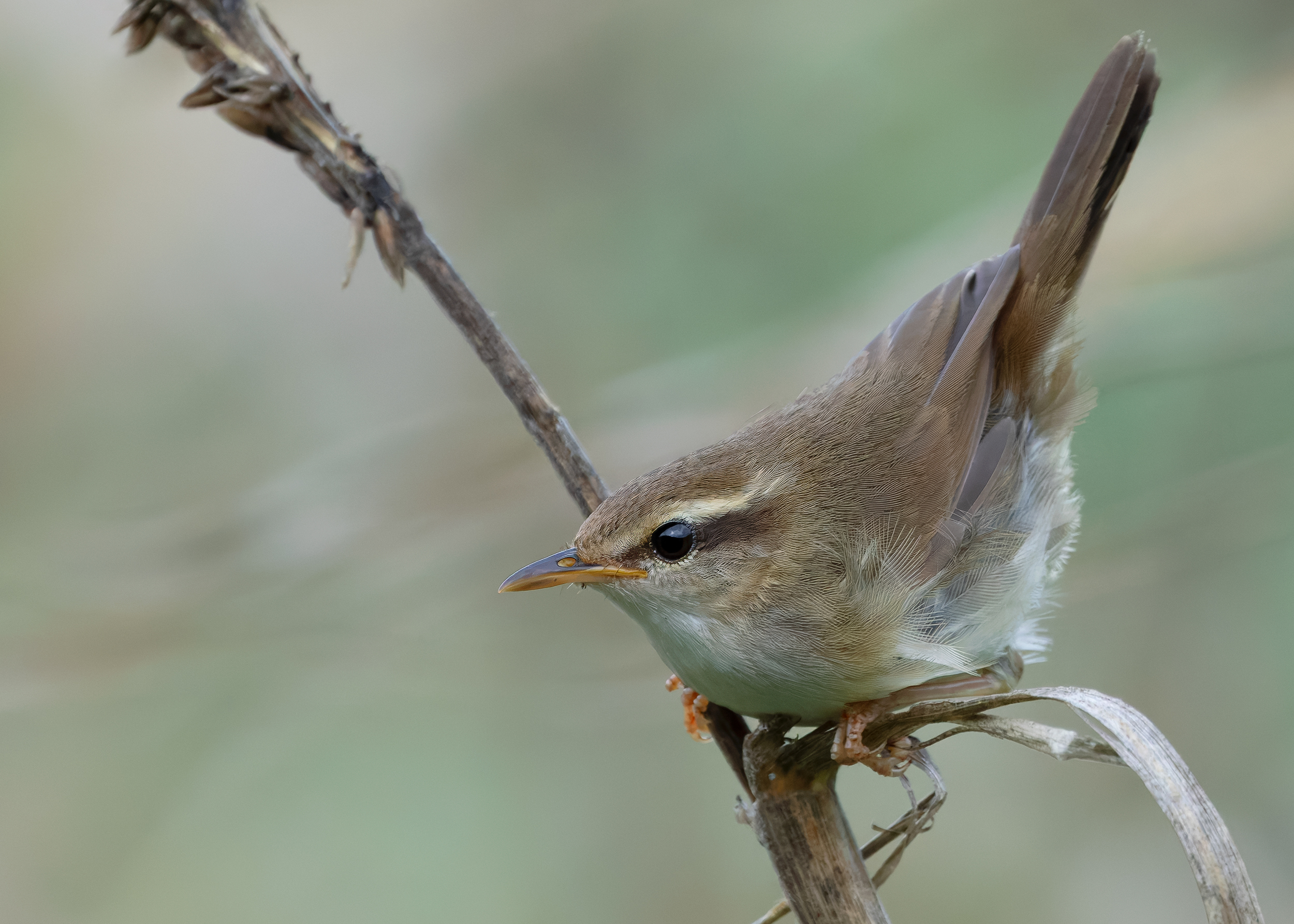
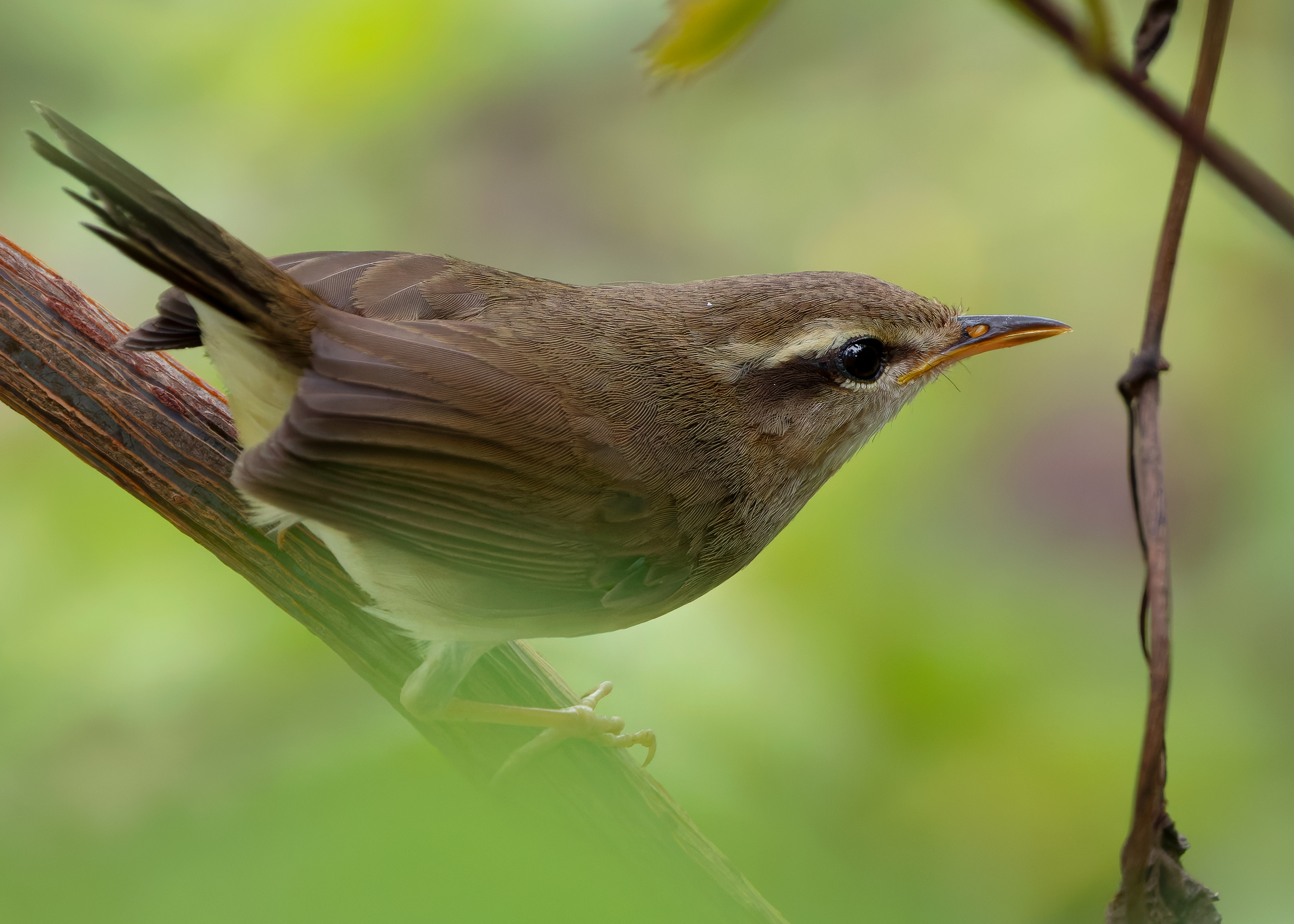
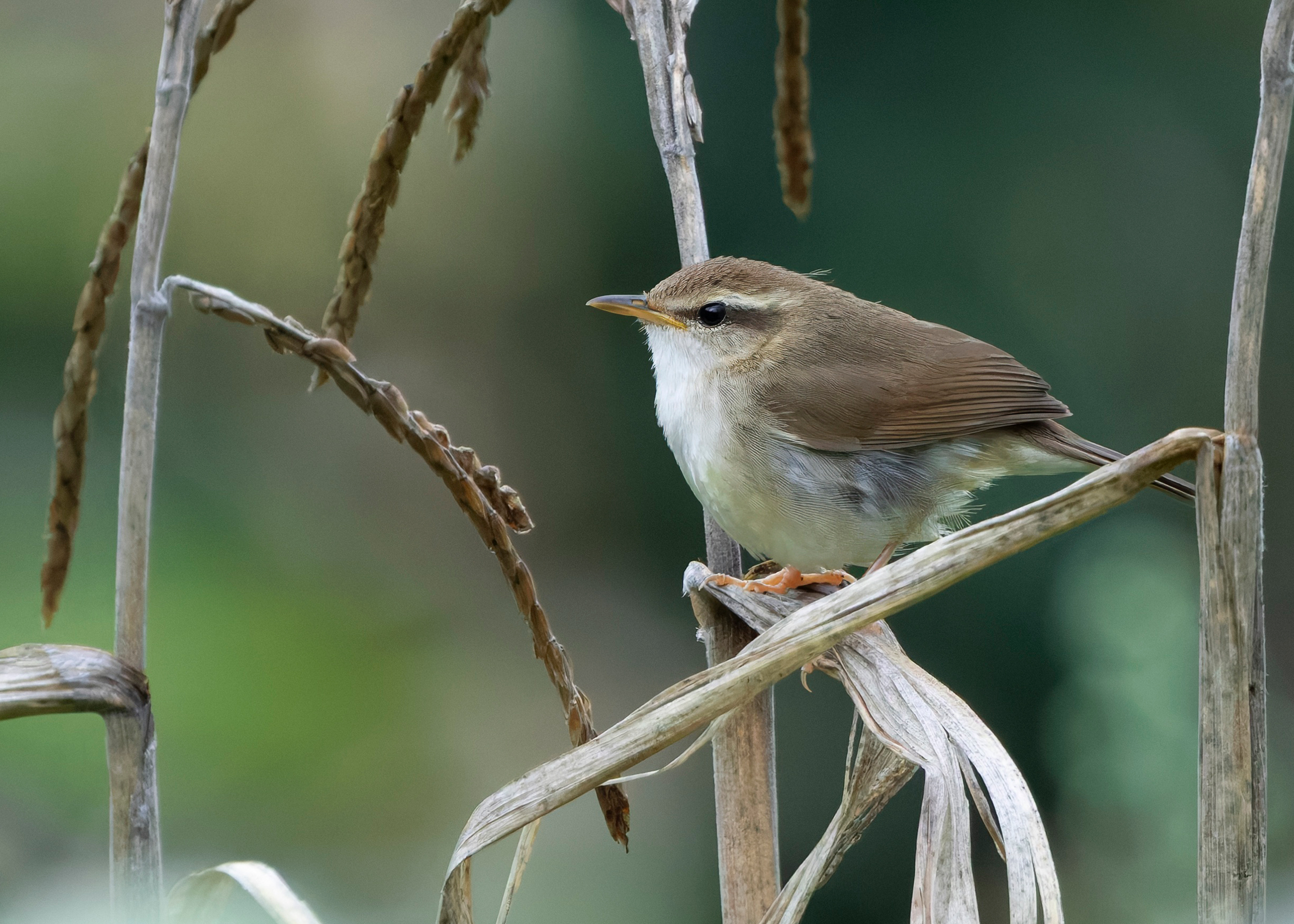
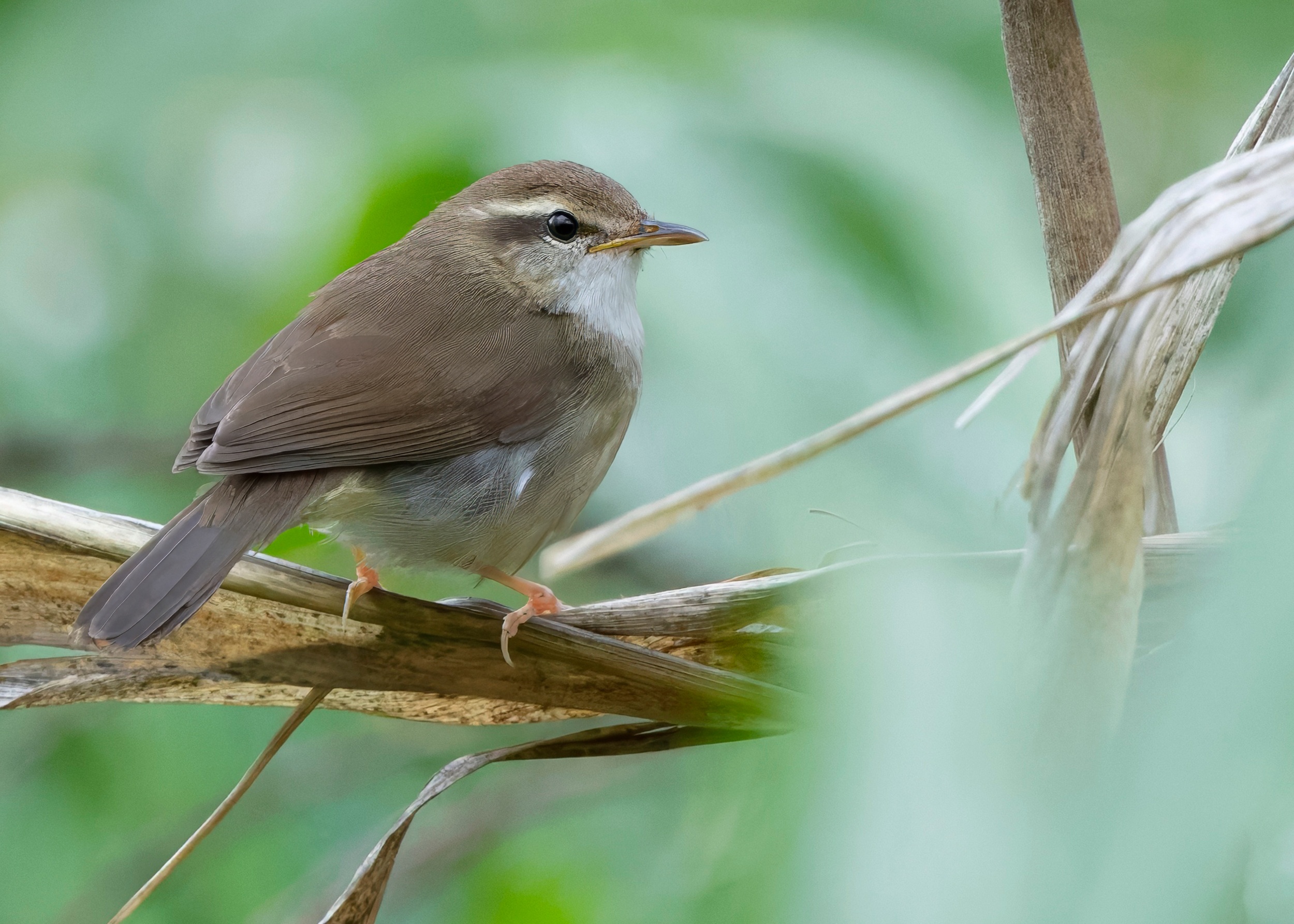
The taxonomic history of Pale-footed Bush Warbler is also a very interesting one. For a long time, ornithologists were perplexed by this species. It was first included in the genus Cettia along with most bush warblers, but then moved back and forth between the genus Cettia and Urosphena (stubtails). I can kind of see the resemblance the present species and stubtails, especially the presence of broad dark eye stripe contrasting to the pale supercilium and darker brown crown. However, the most recent and widely accepted classification is to include it within the genus Hemitesia, literally meaning “half tesia”.
It’s even more interesting to see that the genus Hemitesia only contains 2 species that occur continents apart. The other member is the Neumann’s Warbler (Hemitesia neumanni) which occurs in a very small area between the Democratic Republic of the Congo, Rwanda, Burundi, and Uganda! Despite looking very different with the Neumann’s Warbler being mostly yellow with bold black, white, and grey stripes on the head, and the Pale-footed Bush Warbler being mostly brownish, the songs of both species actually seem to share a similar quality and melodies. You can listen to the song of Pale-footed Bush Warbler here, and here for the song of Neumann’s Warbler.
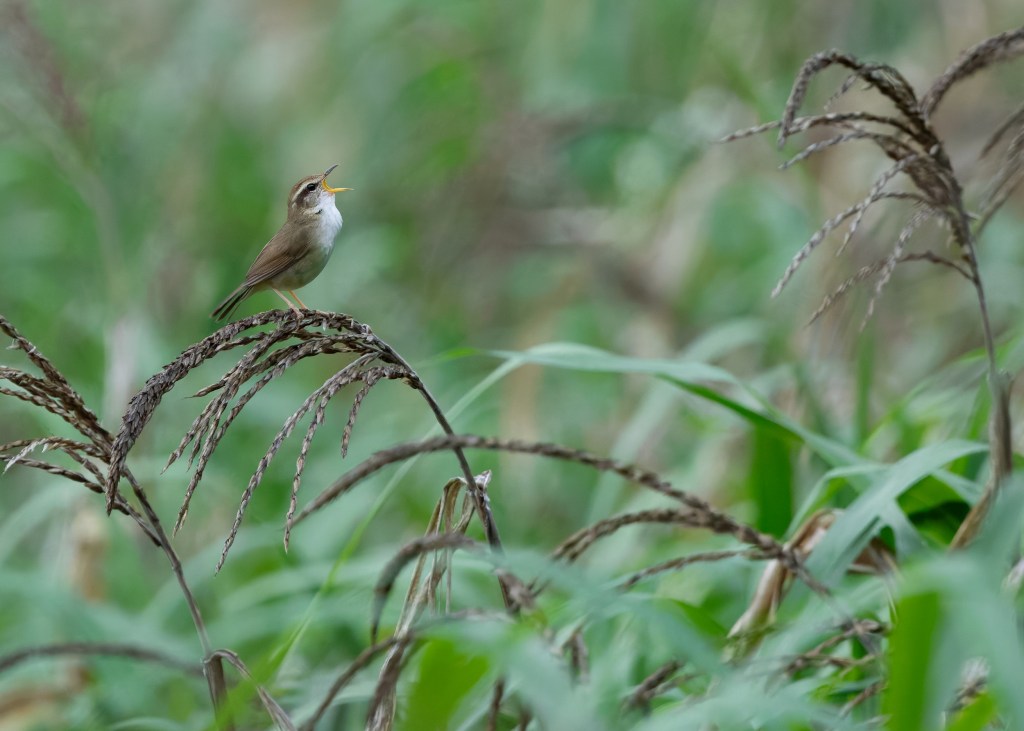
These birds that were recently found continued show well for at least a month and many birders had gone to “tick” them. They all seemed to stop singing around early July signalling that the breeding season had come to an end. Hopefully, they’ll continue to thrive in this pocket of habitat and I look forward to seeing them again in the next breeding season.
 ayuwat
Leave a comment