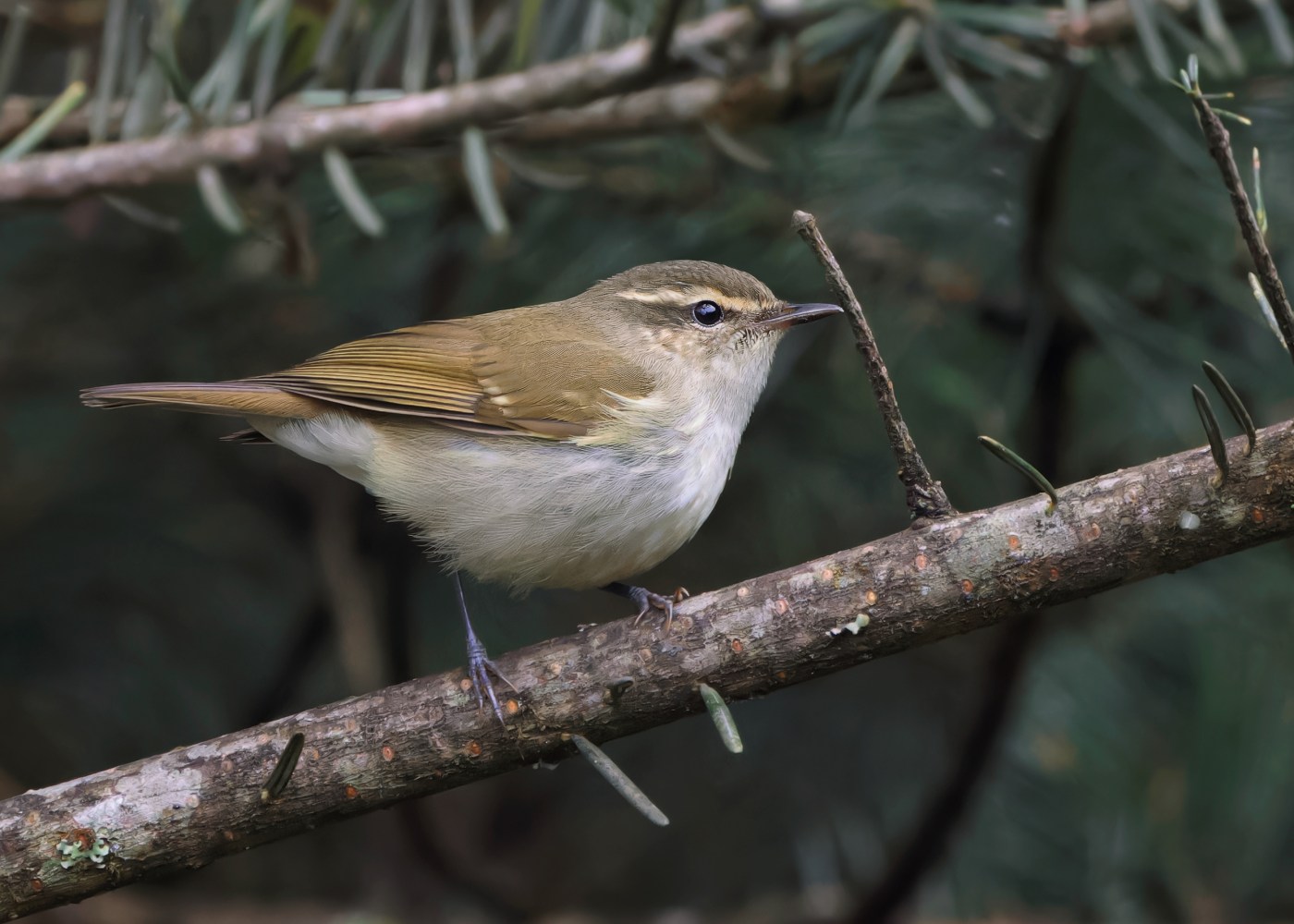
I recently had a trip to Arunachal Pradesh in NE India between 4-12 May 2024. It was such a successful and memorable trip, especially for me since my previous visit was already 17 years ago. Even though we missed some of the target species like Blyth’s Tragopan and Gould’s Shortwing, all the other birds that we saw definitely made up for it. Some of the best birds that we saw include the endemic Bugun Liocichla, Beautiful Nuthatch, Ward’s Trogon, Sikkim Wedge-billed Babbler, Fire-tailed Myzornis, White-browed Tit-Warbler, Himalayan Monal and Grandala. Apart from those colourful and charismatic species, I also really enjoyed seeing so many Phylloscopus warblers in the breeding ground, especially the Large-billed Leaf Warbler (Phylloscopus magnirostris) which was one of my lifers from the trip.
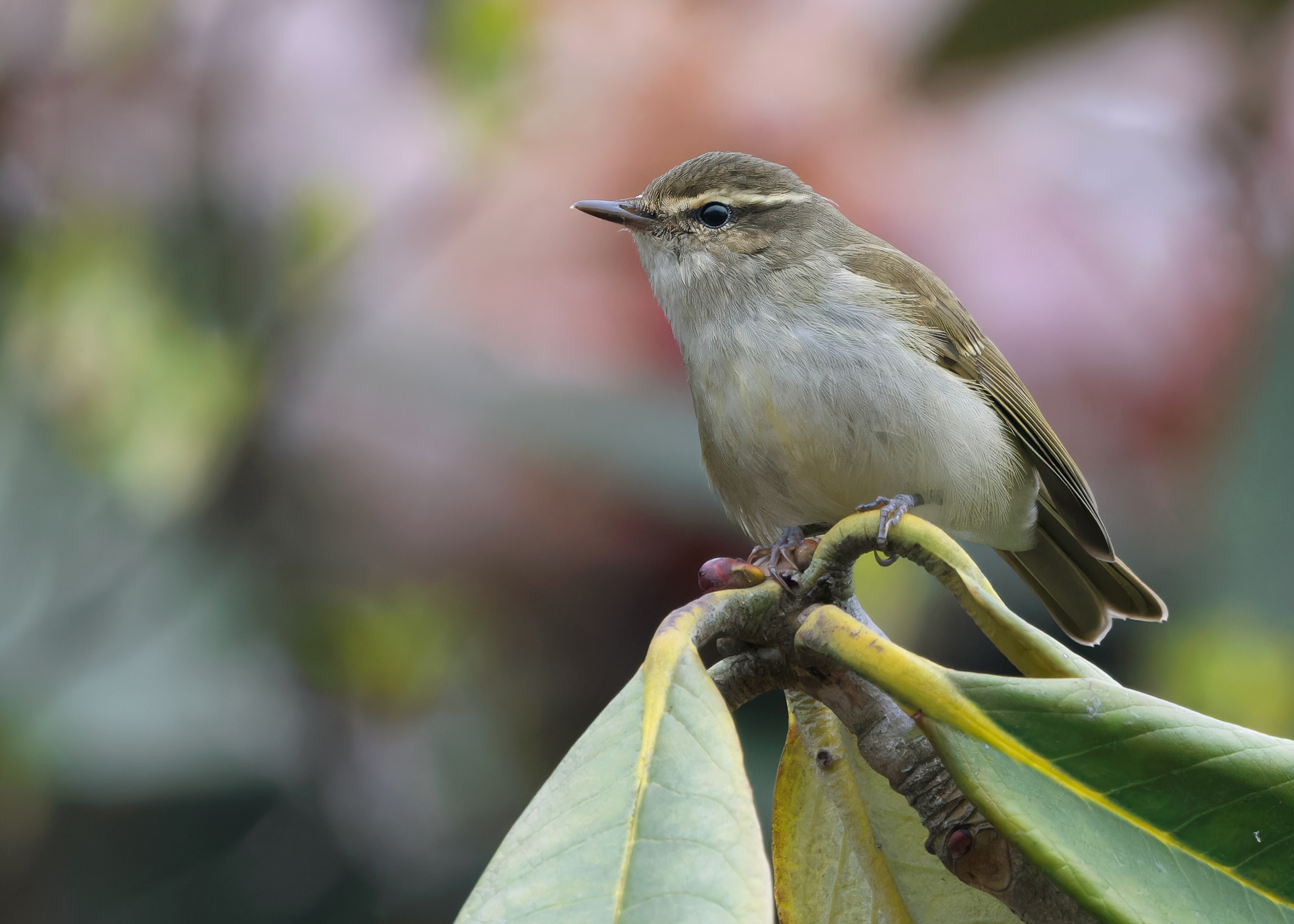
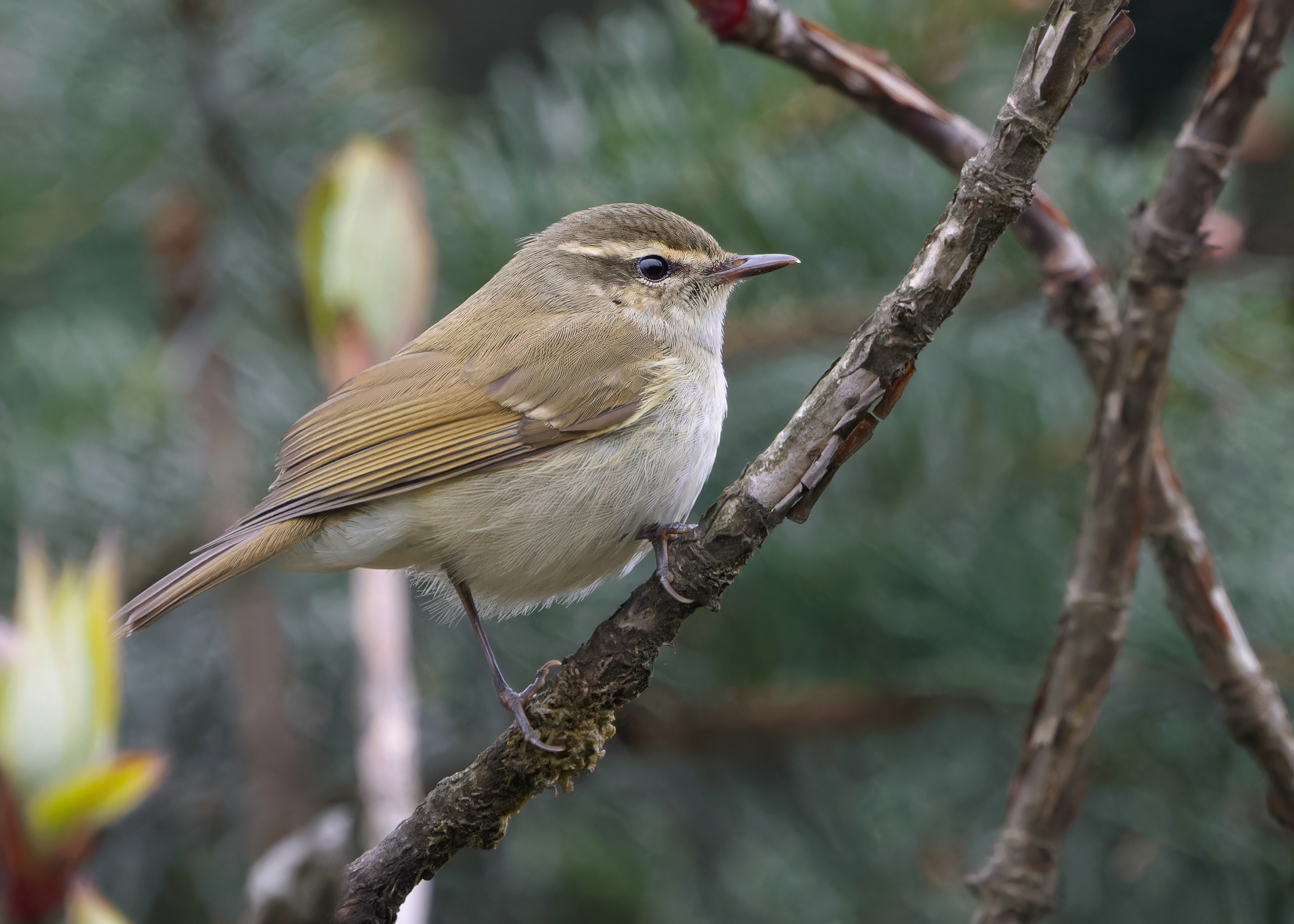
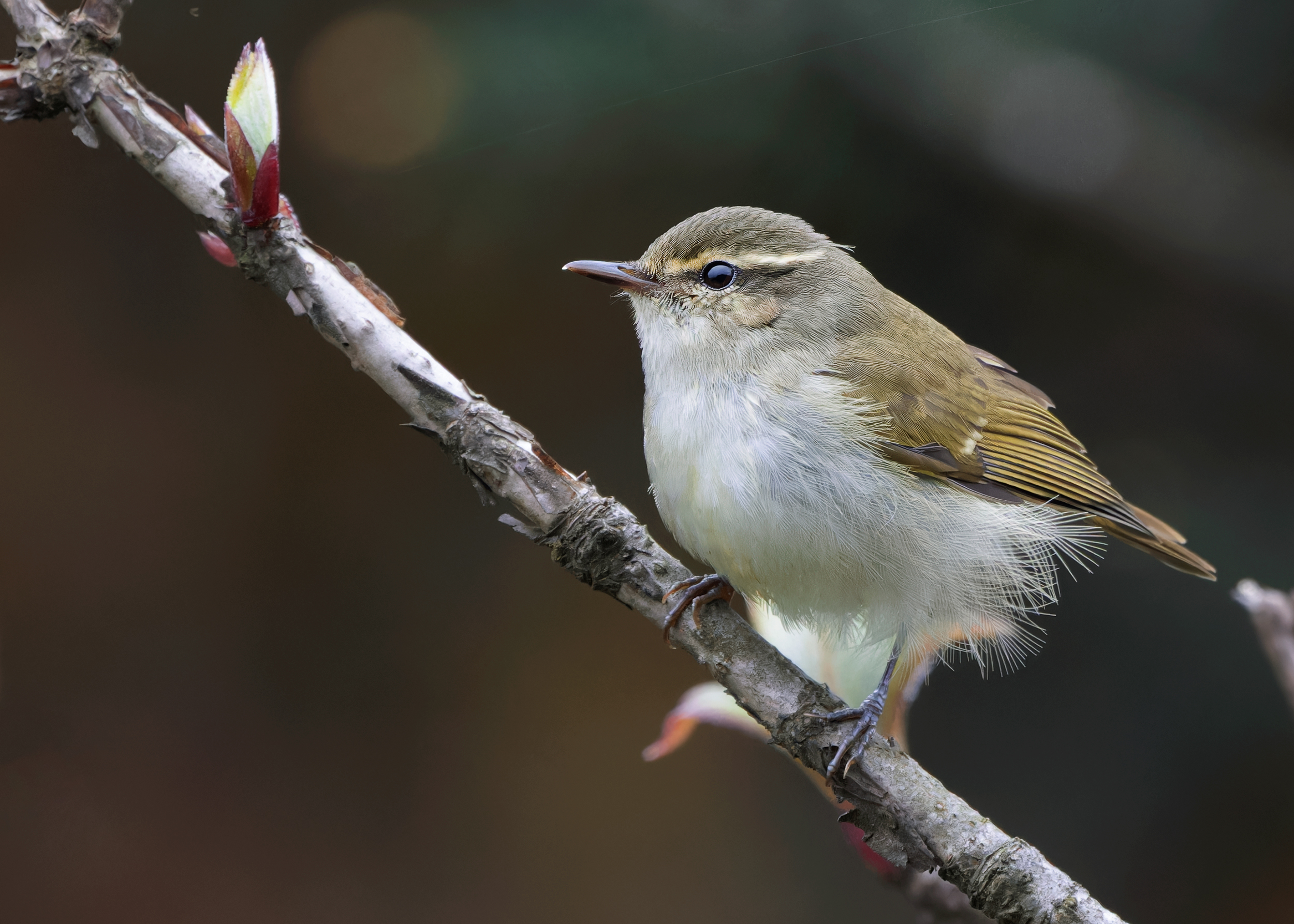
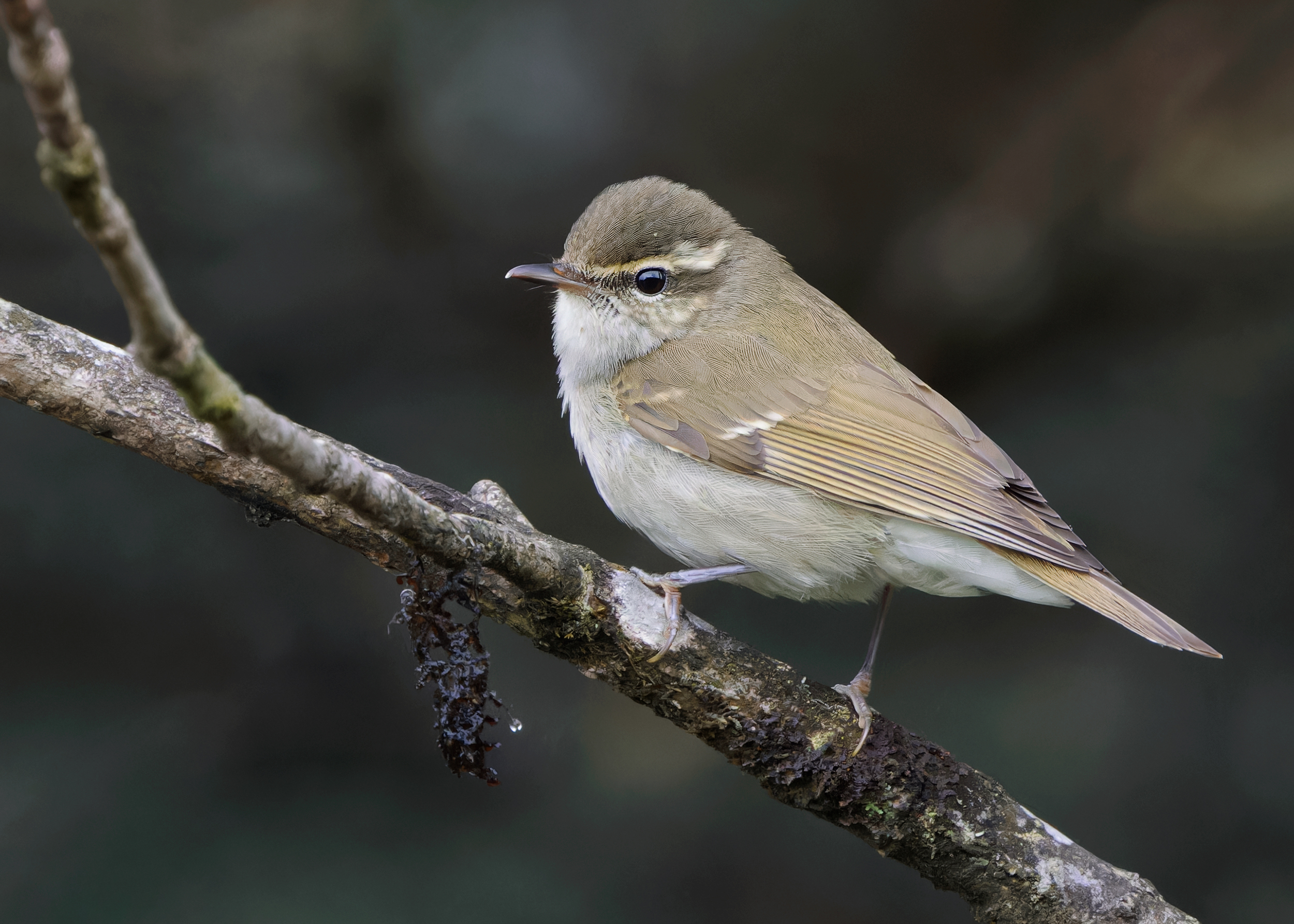
Large-billed Leaf Warbler had always been a bird that I really wanted to see. Although not a rare nor globally threatened species, it was one of the few Phylloscopus warblers that occur in mainland SE Asia that I had not seen. It felt so good to see and hear many of them in their breeding grounds in NE India. I nearly always detected them by the unique high-pitched song and call that were both easy to memorise. These were frequently heard while we were birding in the upper elevations of the Eaglenest Wildlife Sanctuary all the way up to the tree line below Sela Pass. I found them to be particularly abundant just below the tree line, especially near the summit of Mandala where it was one of the most abundant Phylloscopus warblers in that area.
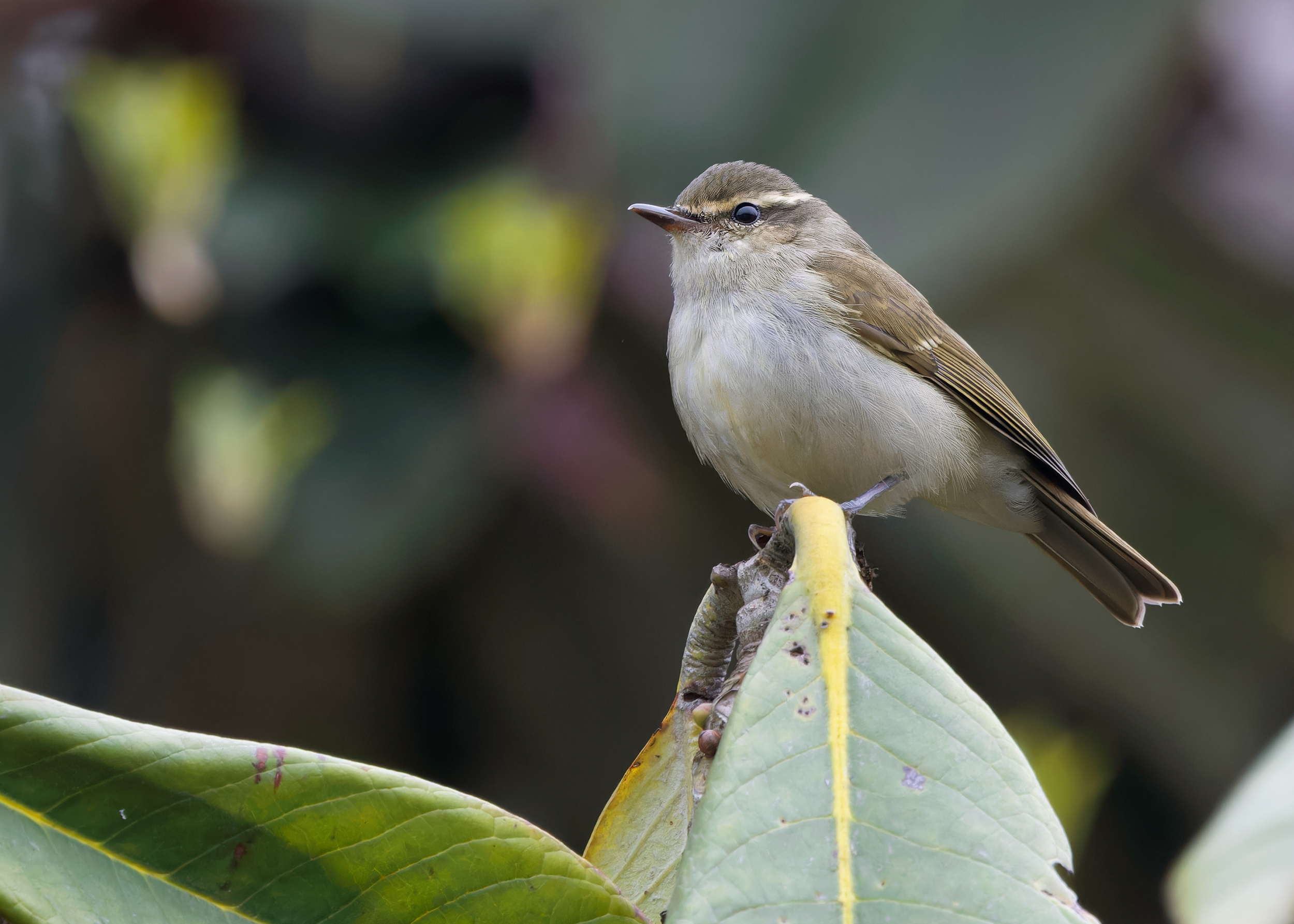


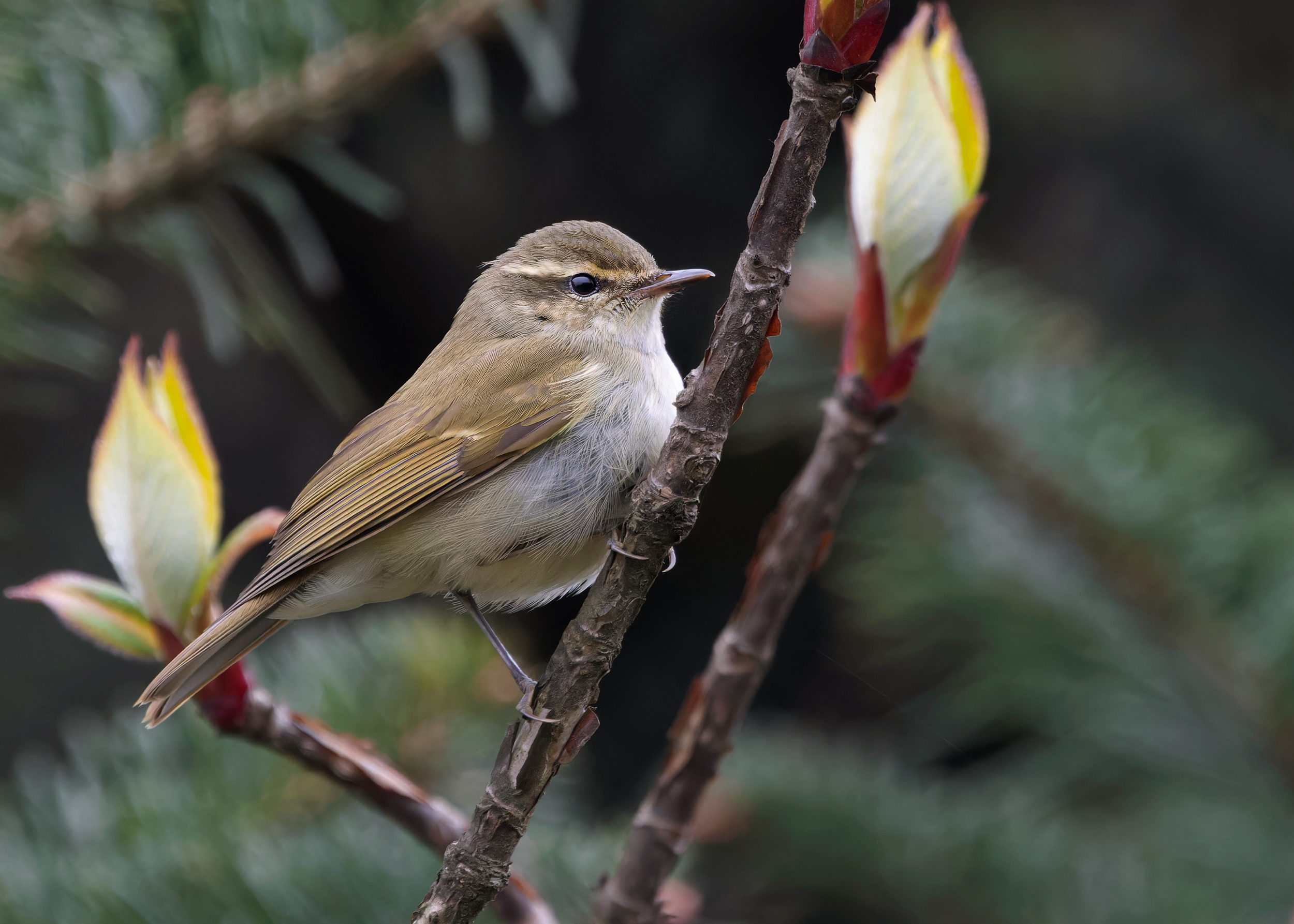

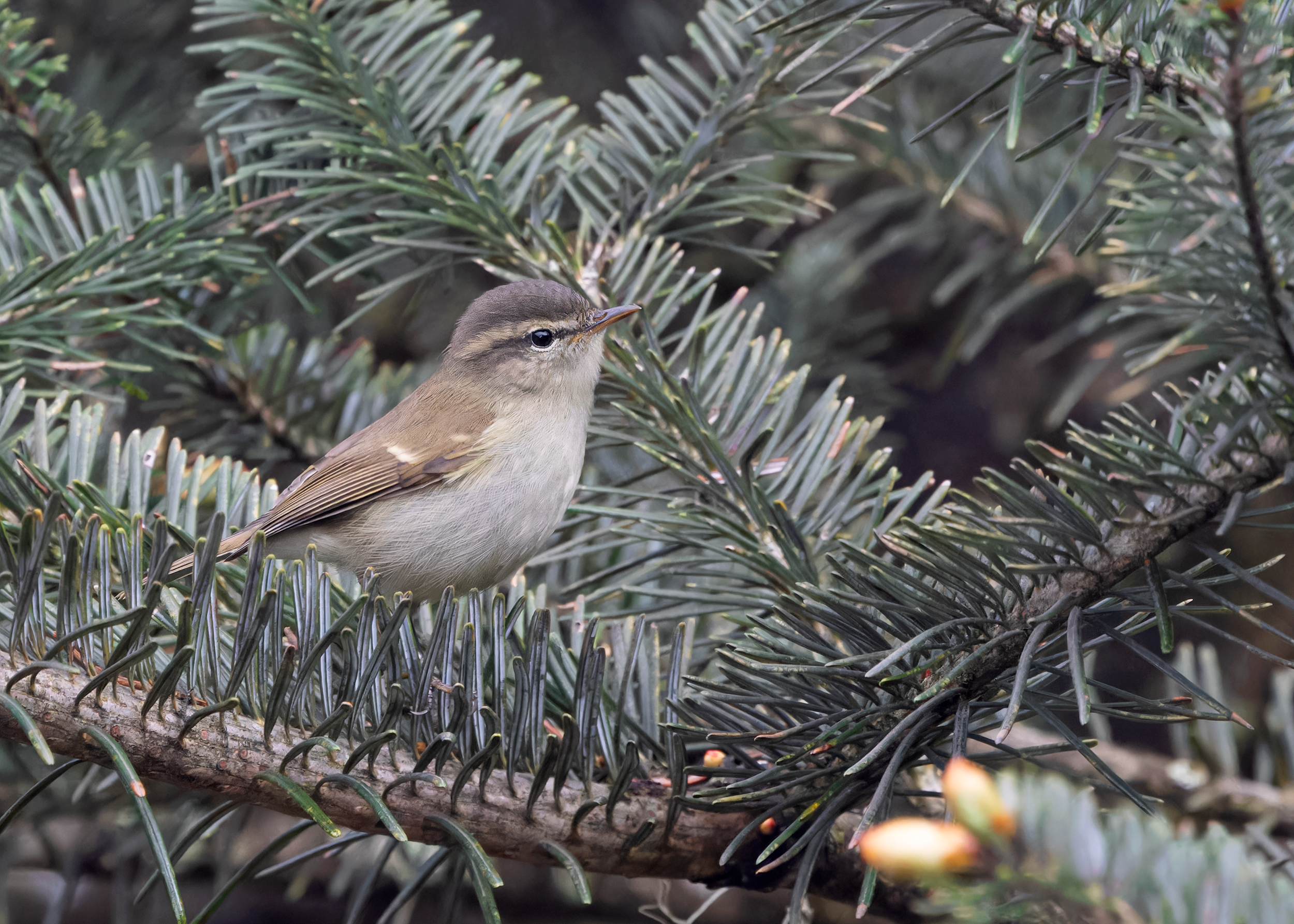
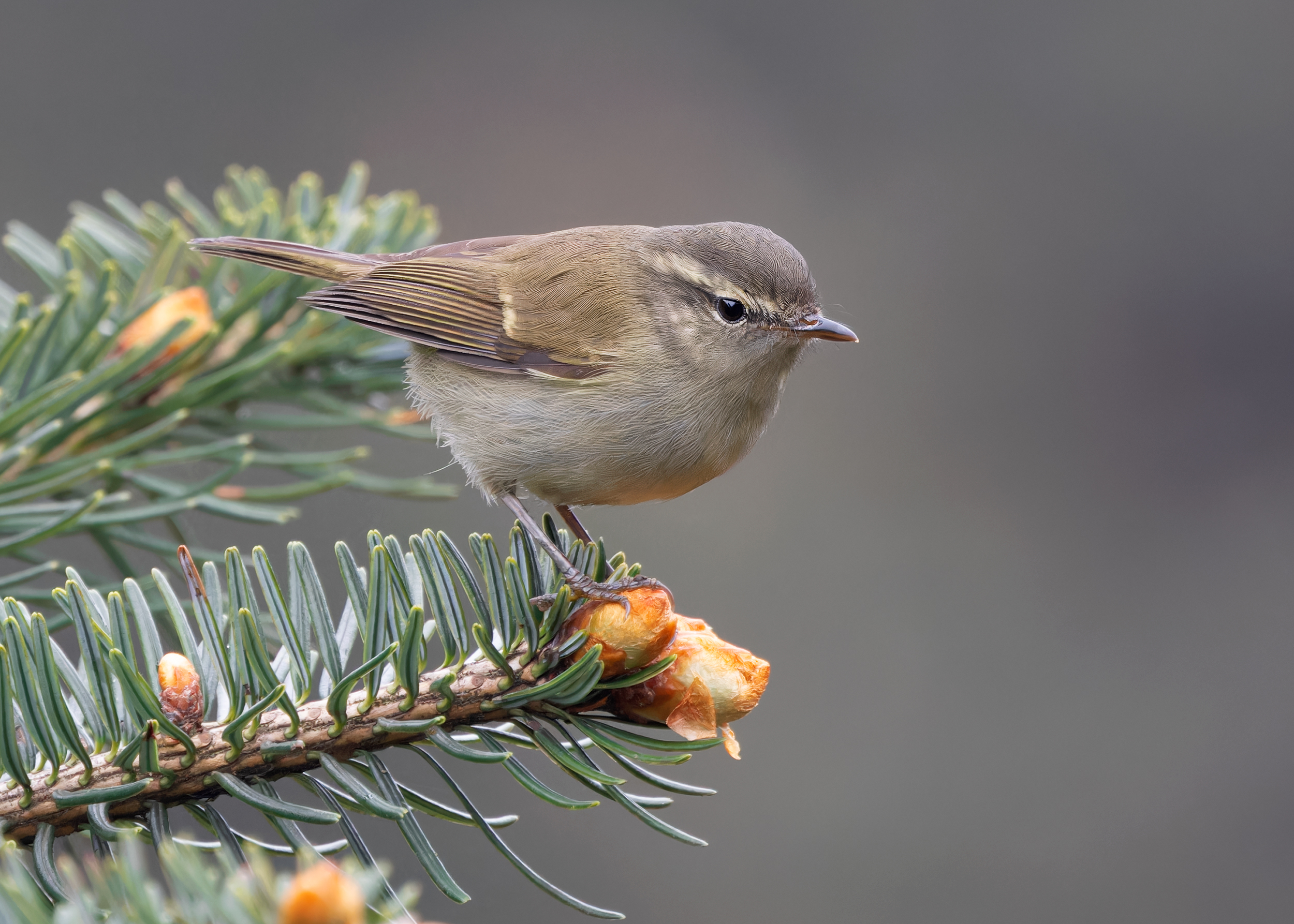
Despite their unmistakable vocalisations, I actually found them to be much less diagnostic in terms of plumage than I had expected. My first impression of this species was that it appeared as a large and robust warbler but somehow that impression became less and less obvious the more I saw them. The bills of most individuals that I saw and photographed weren’t striking large either. There also seemed to be quite a range of bill variations. I don’t know if this applies to every bird, but from the few pairs that I observed, the singing birds (presumably the male) tended to have shorter bill than the quiet birds (presumably the female) that accompanied them.
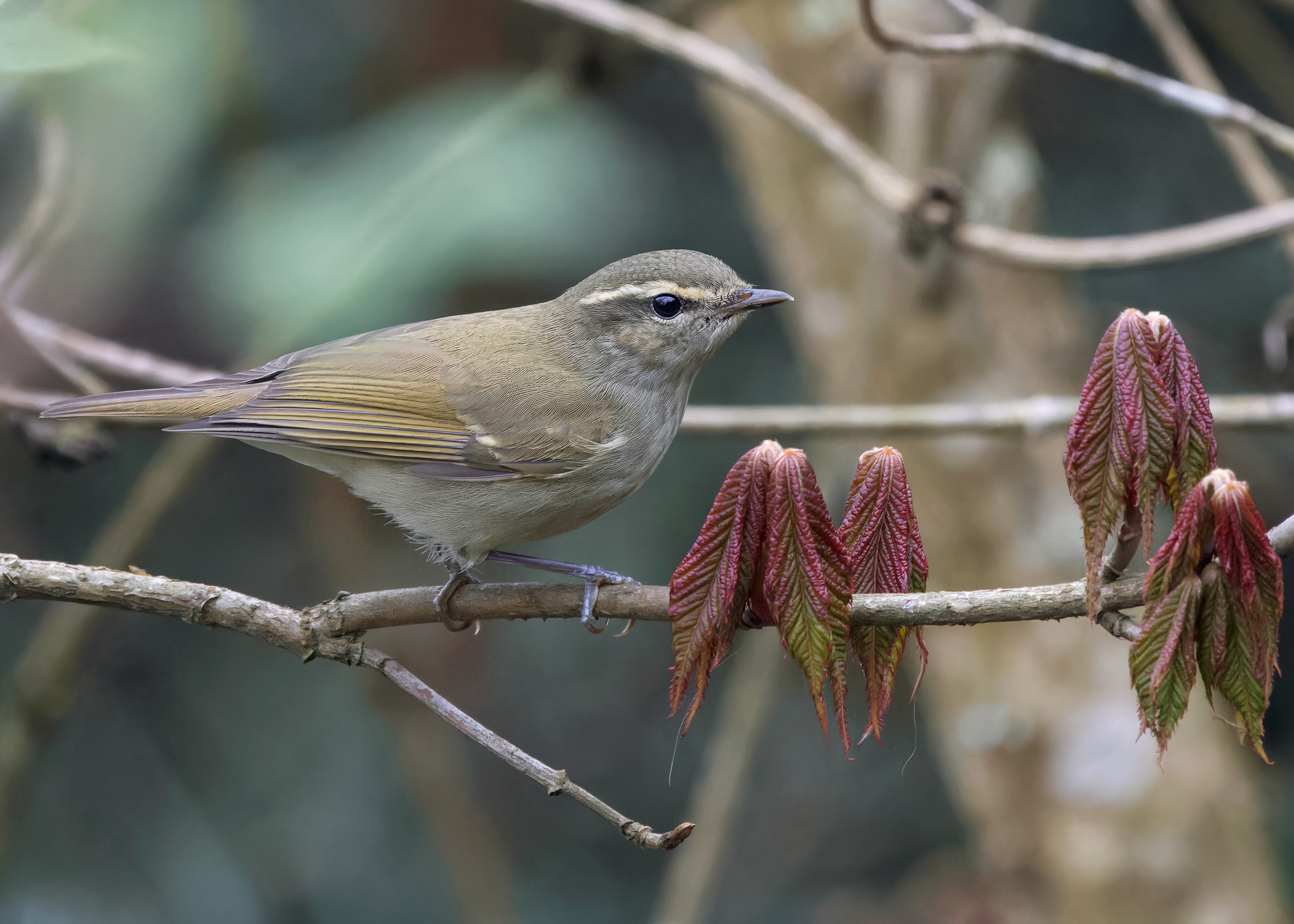

The most similar species that occurred in the same area was Greenish Warbler (Phylloscopus trochiloides) which was even more abundant and could be found in a wider range of habitats from broadleaf forest to even well above the treeline. Generally, Greenish Warblers have thinner and smaller bills but there can be some individuals with unusually large bills too. However, they still tend to show some yellowish colouration on the bill, especially on lower mandible, while Large-billed Leaf Warblers generally have either completely dark bill or with pinkish colouration at the base of lower mandible. The head pattern also seems to be cleaner and more well-defined in Large-billed Leaf Warbler with a darker eye stripe. Vocalisation is even a better way to identify the two as they have completely different songs and calls. Listen to the song and call of Greenish Warbler in the embedded link.


To finish this post, below are few more photos of Greenish Warblers that I took in the same area as the Large-billed Leaf Warblers. Note the different bill shape and colouration, as well as the head pattern.

 ayuwat
Leave a comment